


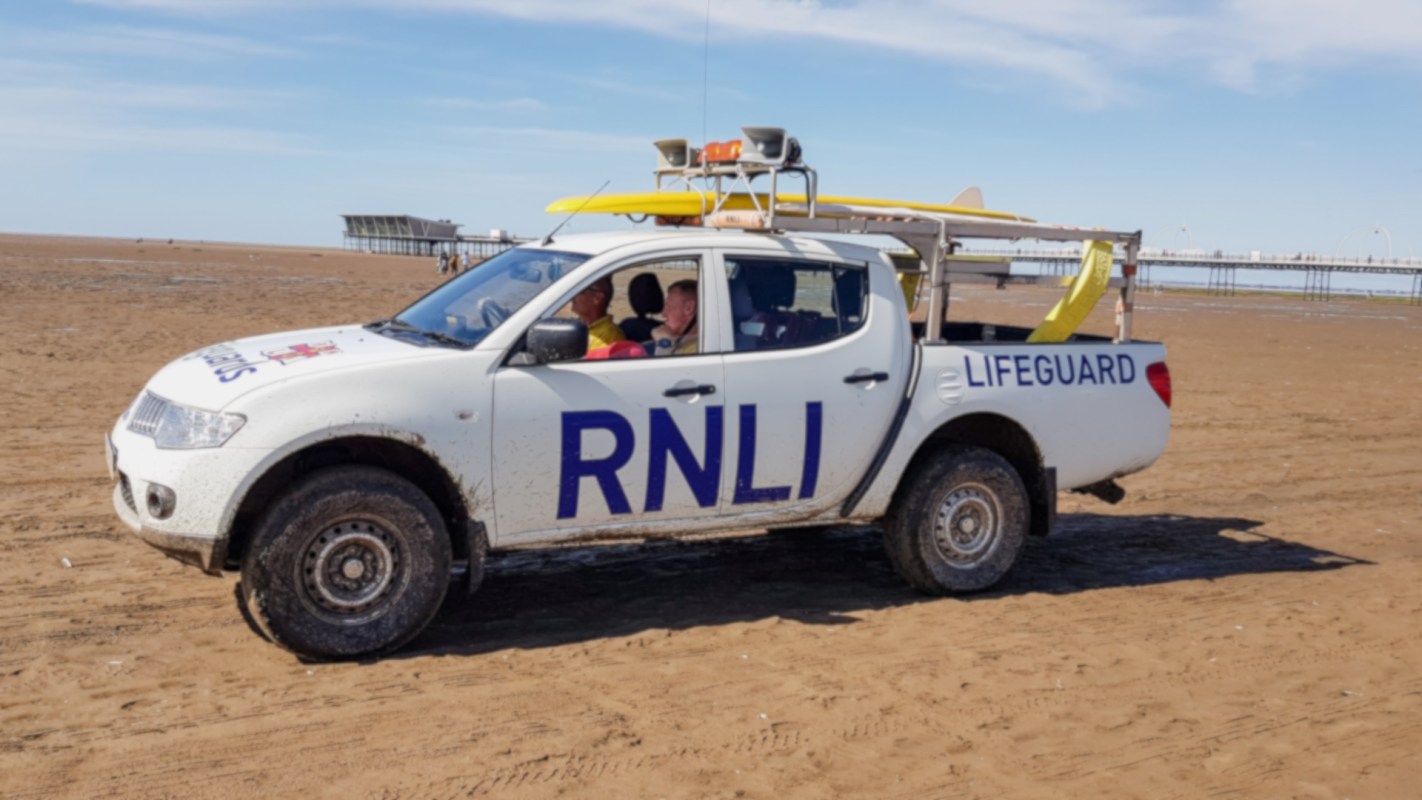
At a crowded Jersey beach, swimmers were called out of the sea after a reported shark sighting.
What happened?
On August 1, lifeguards at St. Ouen's Bay on Jersey's northwestern coast raised the red flag after several reports of a possible shark near swimmers.
According to Metro, RNLI lifeguard Tom Rolls told the Bailiwick Express that a fellow lifeguard was paddling on a rescue board at about 10:40 a.m. when he went over the animal.
Rolls said, "He even said he kind of punched it as he was paddling, so it must have been really close to the surface." He added, "It was darkish grey, about 10 to 12 feet long, and then it swam away really quickly from under his board."
More reports then came in from a nearby beach and from other beachgoers. Because lifeguards could not determine what species had been seen, Metro said, they cleared the water. The RNLI later said the beach was shut as a precaution while the area was checked.
An RNLI spokesperson said the team checked the water by jet ski and found no further sign of the animal. The beach remained red-flagged for 45 minutes, and no further sightings were reported. The incident was a vivid reminder that even crowded coastlines are still shared with wild marine life.
TCD Picks » Quince Spotlight
💡These best-sellers from Quince deliver affordable, sustainable luxury for all




Why does it matter?
According to Metro, wildlife campaigner Richard Peirce, who has written about sharks in British waters, said a basking shark was the likelier possibility if what people saw was a large fin near the surface, rather than something like a great white.
Peirce also defended the beach closure, saying, "Some people say the lifeguard who closed the beach acted hastily, but I don't agree with that." In a crowded beach setting, he suggested, the more immediate danger can be panic rather than the shark, telling Metro that about 10 people were killed by sharks last year, while around 100 million sharks died because of humans and overfishing.
As BBC Future has reported, wildlife encounters are often shaped by the ways people expand recreation into animal habitats and ecosystems. Warming waters are also changing animal migration patterns and where to find food, drawing many animals closer to shore than ever before.
In coastal waters, that can mean more visible encounters as people crowd beaches, fishing pressures disrupt food webs, and marine animals continue moving through spaces humans often treat as their own.
What's being done?
Being aware that oceans are homes to a variety of marine life is critical — not only in being vigilant but in developing a respect for nature and wildlife. According to the World Register of Marine Species, scientists have identified more than 240,000 marine species in the ocean so far.
According to Metro, shark scientist Tom "The Blowfish" Hird also said great whites are continually moving as they follow food sources, meaning a single sighting does not necessarily point to an ongoing local threat. As most people will advise, it's always better to stay on the side of caution.
As Peirce reminded everyone, "Sharks are under far more threat from humans than humans are ever likely to be from sharks. There is no danger of human extinction at the hands of sharks."

Get TCD's free newsletters for easy tips, smart advice, and a chance to earn $5,000 toward home upgrades. To see more stories like this one, change your Google preferences here.







