


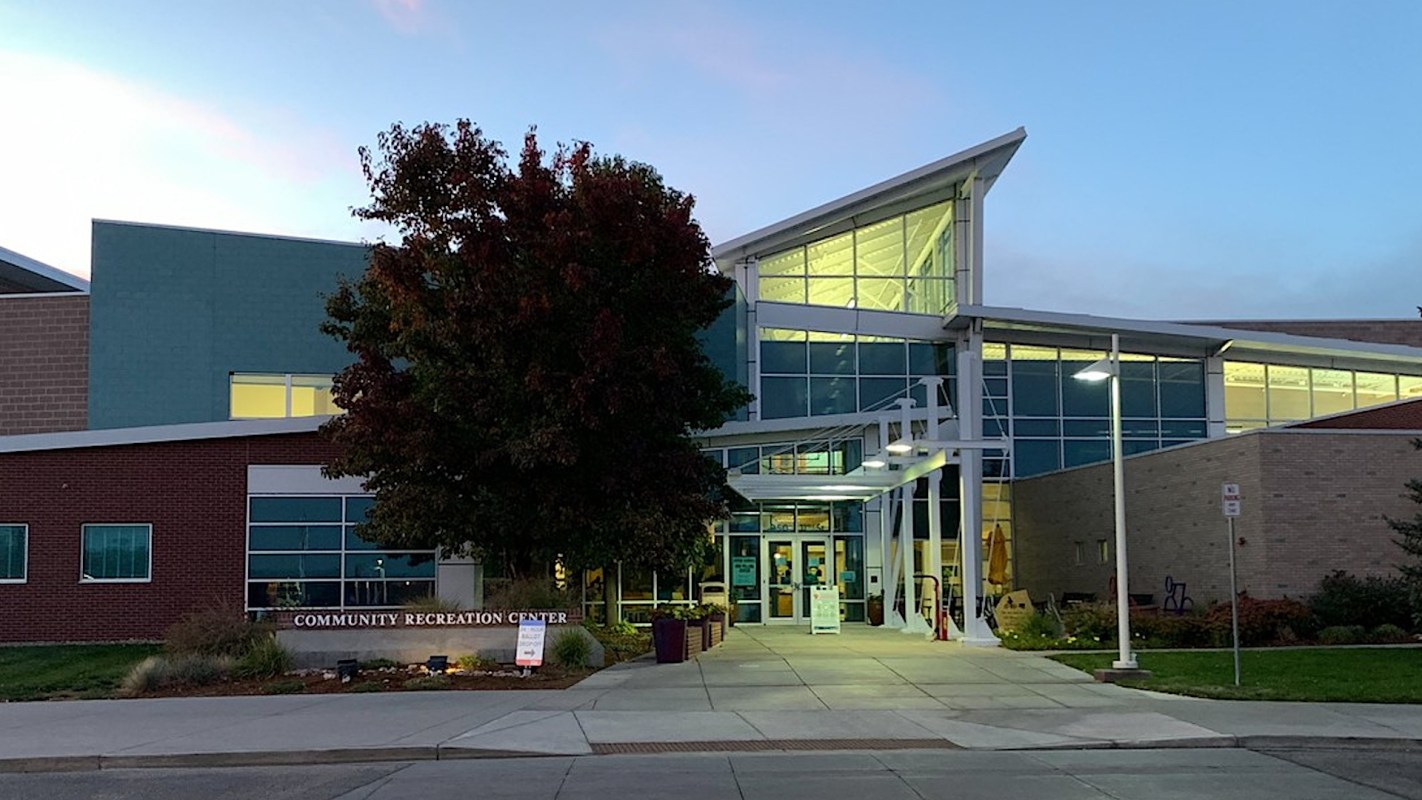
A fight over whether Windsor, Colorado, should allow data centers and under what terms reflects a broader tension surfacing nationwide as AI infrastructure spreads.
Some residents want local leaders to decide their approach now, warning that the town could otherwise be pushed into reacting rather than planning.
What's happening?
According to the Greeley Tribune, Windsor is exploring potential regulations for data center development, while some residents are pressing officials to bar those projects entirely. Windsor's town board held a joint work session with the planning commission on Monday to weigh possible code changes, though no developer has proposed a data center in town yet.
Those residents say the town should establish its position before any proposal advances.
Public concern around data centers has intensified. These facilities were once seen largely as low-profile buildings that support digital services. They are now increasingly tied to the rise of AI, bringing heavier scrutiny of electricity demand, water use, traffic, land use, and noise.
What starts as a local zoning question in Windsor can turn into a broader debate over growth and who bears the costs of a high-tech expansion.
TCD Picks » Quince Spotlight
💡These best-sellers from Quince deliver affordable, sustainable luxury for all




Why does it matter?
Data centers are the physical backbone of cloud computing and AI tools, giving them a direct connection to the power grid. AI can provide meaningful benefits, including helping utilities forecast electricity demand, improving building efficiency, and making it easier to integrate wind and solar energy. At the same time, the servers used to train and run AI models can consume large amounts of electricity and, in many cases, significant volumes of water for cooling.
That tradeoff is one reason some residents want safeguards in place early. A large facility can affect nearby neighborhoods and put pressure on local infrastructure, and its energy demand could push utility costs higher.
Communities and policymakers are also weighing cybersecurity risks and the social consequences of concentrating major digital infrastructure in places that may not directly benefit from it.
What's being done?
Rather than waiting for a developer application to force the issue, Windsor is addressing data center questions earlier than many communities do. Windsor's board wants its own code to mirror Weld County's approach, which now limits data centers to unincorporated industrial areas and requires a public hearing before construction can move forward.
Windsor officials have also floated requiring data centers to run on closed-loop water systems, generate their own power without tapping the grid, and stay under a 65-decibel noise cap. Similar water-saving systems have shown up in other proposed data centers, including one in Delaware, as developers try to ease concerns about strain on local resources.
Early planning can give local governments more leverage to set expectations around siting, utility impacts, and water demand. Even if a town does not prohibit a use outright, clearer standards make the review process more transparent for residents and developers alike.
The Windsor discussion shows that communities don't have to wait to define their priorities. They can decide in advance what types of development align with local goals and what conditions should come with them. Residents who want to weigh in can email datacenterinfo@windsorco.gov.
"We have a lot of fears of what would happen should we not have anything in place," Windsor Planning Commissioner John Neal said, per the Tribune. "So I think we should push forward with as much information as we got tonight and put together a plan, a real plan, then come together and discuss it again."

Get TCD's free newsletters for easy tips, smart advice, and a chance to earn $5,000 toward home upgrades. To see more stories like this one, change your Google preferences here.






