


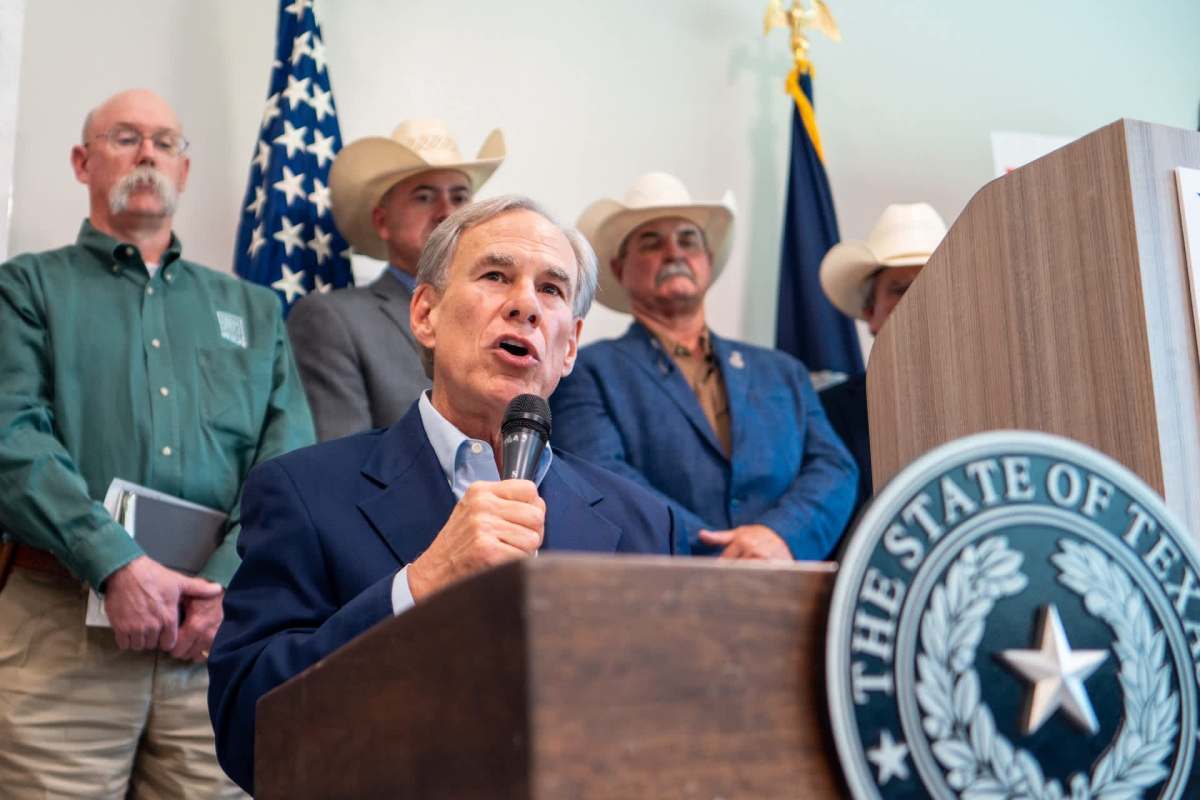
Texas Governor Greg Abbott has threatened to take over Corpus Christi's water response as the coastal region faces long-term supply risks, even as a state-appointed river authority tied to the same crisis is struggling to keep its desalination projects on track.
For families across a metro area of more than 500,000 people, the political fight centers on whether water will continue flowing from the tap if drought conditions return.
What happened?
In March, Abbott criticized Corpus Christi leaders after delays involving a desalination plant that, according to ProPublica, was expected to increase regional water supplies by 30 million gallons a day. As ProPublica reported in a co-published investigation with KRIS 6 News and The Texas Tribune, the state had already provided more than $750 million in low-interest loans for the city's project.
Abbott accused city officials of wasting time and warned that "the state of Texas has to take over and micromanage that city" if local officials didn't move forward. But while he focused that criticism on Corpus Christi, the Nueces River Authority (NRA), a separate agency led by a 21-member board Abbott chose in full, was dealing with its own issues.
Officials at the authority learned that, without expected contracts, funding for its desalination effort could run dry by the end of August. The NRA's spending had outpaced its revenue, and three desalination-related contracts later expired without renewal.
Analysts who spoke with KRIS 6 News said that contrast matters. Abbott has publicly leaned on the city, while the NRA's operational problems have largely been left to the board overseeing it.
TCD Picks » Quince Spotlight
💡These best-sellers from Quince deliver affordable, sustainable luxury for all




Why does it matter?
If supplies drop enough to trigger Corpus Christi's Level 1 water emergency plan, residents and businesses would have to reduce water use by 25%. Homes would be capped at 6,000 gallons a month, landscape watering would stop, and going over the limit could lead to surcharges.
Because Abbott appoints the Nueces River Authority's board, he has broad influence over the agency. Even so, the governor's office has said the authority itself is responsible for its finances and operations.
State and local officials have traded blame while critical infrastructure remains unfinished.
What's being done?
In May, the NRA chose Israel-based IDE Technologies for the desalination project's development work. Rainfall has also given the region some temporary relief, even if it has not resolved the supply issue.
The governor's office has maintained that securing water and managing project finances remain the responsibility of the Corpus Christi City Council and the river authority board. The state has also taken narrower steps, including preserving the city's Lake Texana water allocation and loosening rules so groundwater could be sent to the city's treatment plant.
Cal Jillson, a political science professor at Southern Methodist University, said the governor should assess whether the relatively small river authority has enough staff and expertise to handle a $6.4 billion project.
"The city of Corpus Christi needs a lot of help, it doesn't need threats, and the Nueces River Authority is in way over its head," Jillson said.
Gabriel Collins, a lawyer and research fellow at Rice University's Baker Institute for Public Policy, put the broader question this way: "Would you be better off resolving those fundamental problems by having the state be a catalyst and a facilitator financially that helps the local political authorities solve a problem?"

Get TCD's free newsletters for easy tips, smart advice, and a chance to earn $5,000 toward home upgrades. To see more stories like this one, change your Google preferences here.






