


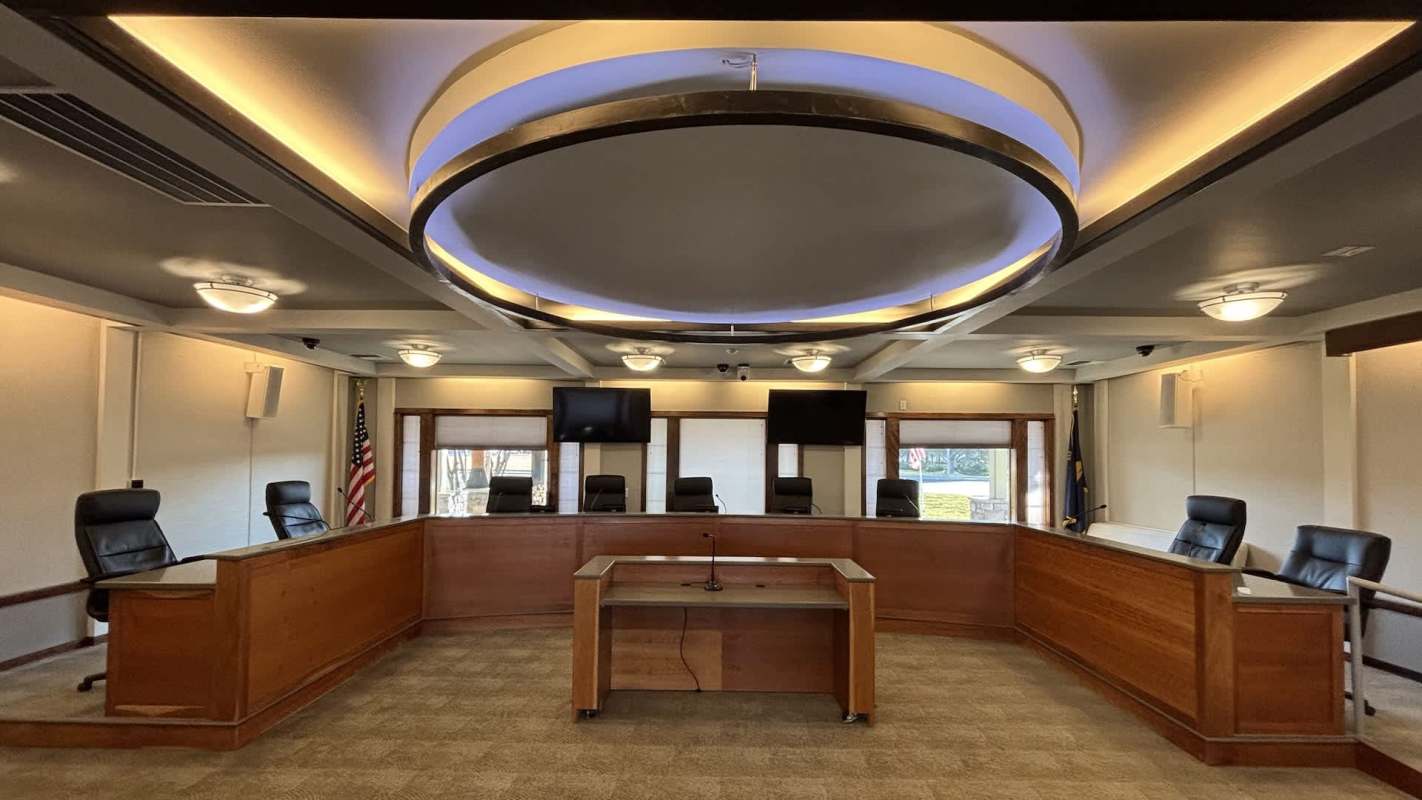
A proposed 20-megawatt data center in La Pine, Oregon, will not move ahead after residents turned out in large numbers at a City Council meeting and objected to how the project could affect the town.
Council members unanimously ended consideration of the plan, giving opponents the result they had been seeking.
What happened?
According to Central Oregon Daily, the project would have brought a 20-megawatt data center to the town, but after extended testimony about electricity demand, water use, noise, and broader community effects, the La Pine City Council chose not to move the proposal forward.
Council members initially began exploring the idea in March by starting a possible land sale process with developer BoxMiner, Central Oregon Daily reported. Once the proposal became widely known, local opposition intensified.
Officials had their own concerns as well. The outlet reported that city leaders questioned the project's revenue projections, power-cost assumptions, and estimates for how many permanent jobs it would create.
In the end, the unanimous vote reflected both public resistance and the council's concern that the project's promises did not clearly outweigh its potential downsides.
TCD Picks » Quince Spotlight
💡These best-sellers from Quince deliver affordable, sustainable luxury for all




Why does it matter?
Data centers are becoming an increasingly important local issue across the country because they can bring tax revenue and digital infrastructure to communities. At the same time, the facilities can use enormous amounts of water and energy.
For smaller communities, those tradeoffs can feel especially immediate. Large projects can affect utility systems, noise levels, land use, and even future household costs. If a project puts new pressure on the electric grid or local water resources, residents may worry about reliability, planning, and whether the benefits will be shared locally.
AI-related computing can drive up electricity demand, require significant cooling water, create security and misuse concerns, and contribute to higher energy costs if growth outpaces infrastructure.
La Pine's debate shows how communities are increasingly being asked to weigh those competing realities before major development moves forward.
What's being done?
Public testimony shaped the outcome in La Pine: residents detailed their concerns, and city leaders opted to stop the proposal rather than keep it moving. The decision also suggests municipalities are scrutinizing big-tech-style developments more closely instead of accepting promises at face value.
Questions about job creation, public revenue, and infrastructure strain are becoming central to these discussions. As Mayor Jeannine Earl said, as reported by Central Oregon Daily, "When our community showed up like this, we heard them and we knew what we had felt in our gut all along was the right choice for our community and I think that's a beautiful thing."

Get TCD's free newsletters for easy tips, smart advice, and a chance to earn $5,000 toward home upgrades. To see more stories like this one, change your Google preferences here.






