


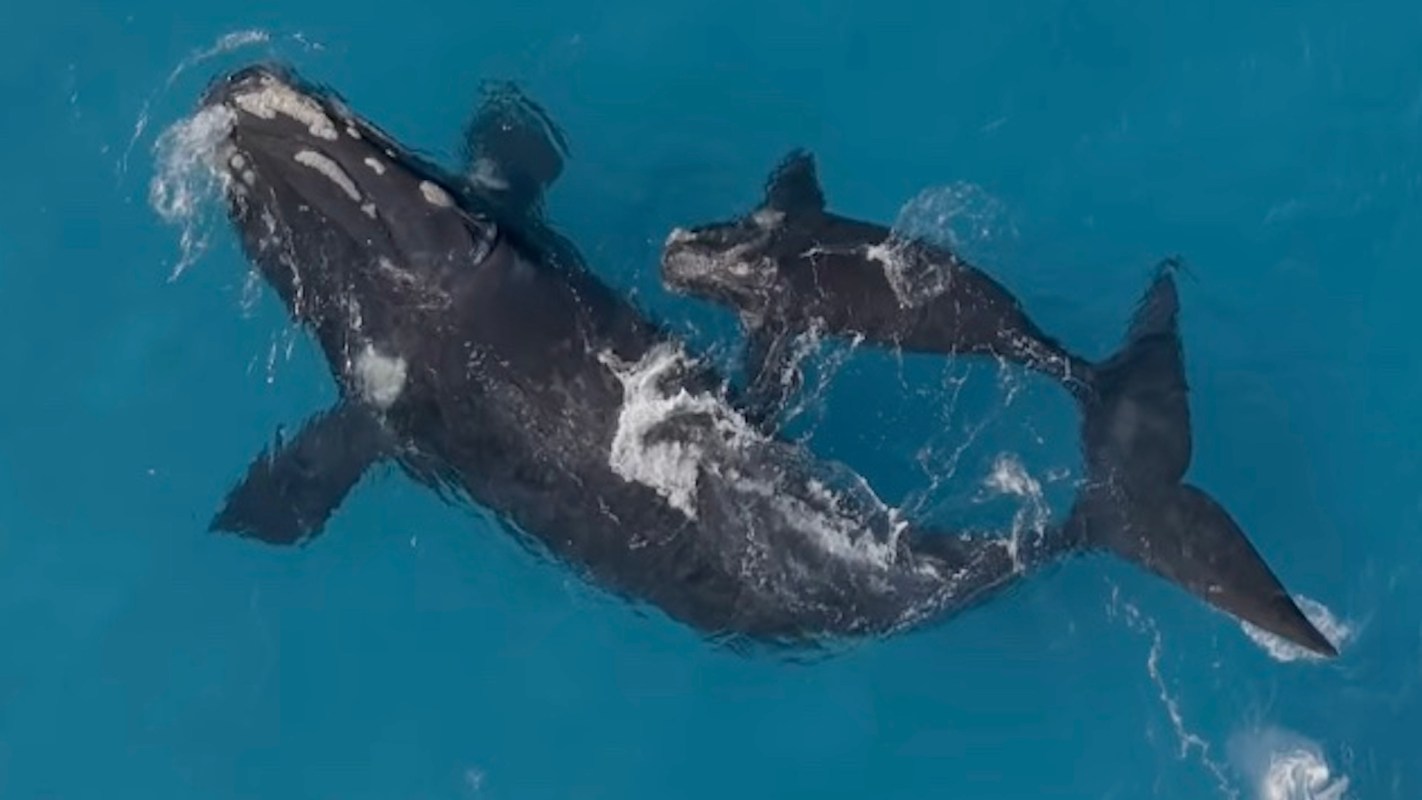
A drone video captured a remarkable moment in the open ocean, as a very large great white shark seemingly sizing up a baby whale calf and its mother.
What happened?
The video was shared on Instagram by drone wildlife photographer David Currie (@dcurrie_drones).
The short clip featured overhead footage of the shark traveling close to the young whale and its mother, placing both huge marine animals in the same aerial shot.
While the video does not depict an attack, it does show the shark seeming to come close to the whales. The overhead perspective emphasizes both the shark's scale and its smooth, steady movement in the water.
The creator described the encounter as "definitely the biggest shark" that he had ever filmed.
Why does it matter?
Great white sharks are among the ocean's most iconic predators, and, while it is rare for great whites to hunt whale calves directly, they are known to feed on the blubber of already dead whales.
TCD Picks » Quince Spotlight
💡These best-sellers from Quince deliver affordable, sustainable luxury for all




Aerial observation like this can document wildlife behavior from a distance, giving people a better sense of the animals' scale and movement while avoiding the noise and disruption boats may introduce.
Coastal waters are shared spaces. Sharks, whales, and many other species are part of the same environment that people use for recreation, tourism, and work. In areas known for active marine wildlife, awareness and distance help keep both animals and humans safer.
What can I do?
If you spend time at the beach or on the water, pay attention to local wildlife advisories, lifeguard guidance, and posted safety notices. When large marine animals are known to be nearby, giving the area extra space is the safest choice.
Distance is critical for people who photograph or film wildlife. Whether using a drone, a camera, or binoculars, the goal should be to observe without chasing, crowding, or stressing the animals. It is also important to follow local drone rules and wildlife protection regulations.
Cleaner coastlines, healthier habitats, and stronger protections for marine species all contribute to ecosystems where wildlife can thrive with less pressure from human activity.

Get TCD's free newsletters for easy tips, smart advice, and a chance to earn $5,000 toward home upgrades. To see more stories like this one, change your Google preferences here.







