


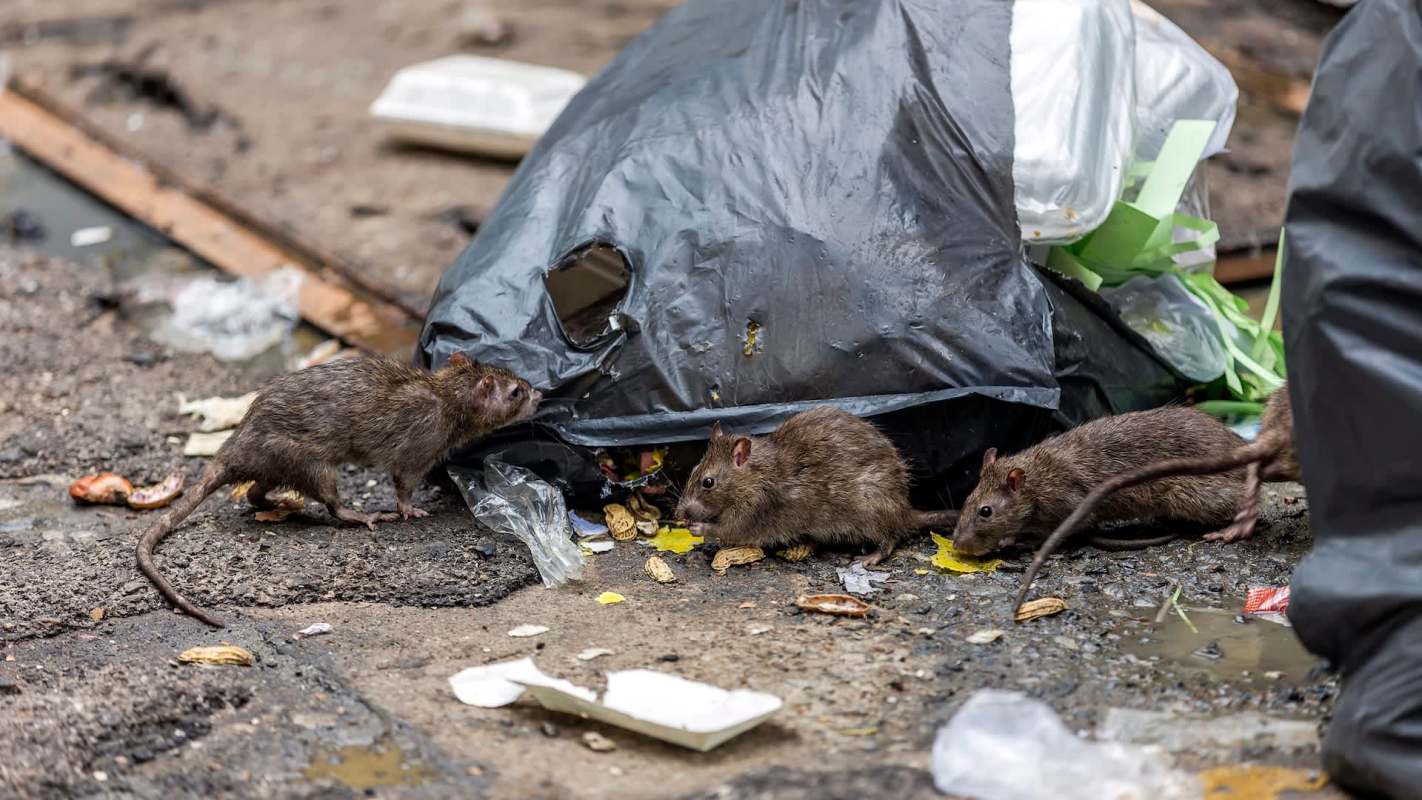
Chicago may be responding to rat complaints quickly, but a new watchdog report says that strategy is doing little to address the root of the problem.
What happened?
As WTTW News reported, the city typically takes action after residents file 311 reports instead of working to stop infestations before they spread. That approach traps Chicago in a costly pattern of poisoning rats, fielding more complaints, and leaving neighborhoods to keep dealing with unsanitary conditions.
After reviewing the city's rat-control work from July 2023 through July 2024, Chicago's Office of the Inspector General found that the Bureau of Rat Control mainly uses 311 complaints to decide where to act.
As a result, crews are often dispatched in response to new reports rather than being directed first to the most serious infestations.
The audit said Chicago's rat-control program does not fully follow Integrated Pest Management, which WTTW News said is a framework backed by the Centers for Disease Control, the Environmental Protection Agency, and the Illinois Department of Public Health.
Instead of focusing on sanitation, prevention, and changes to rat habitat, the report found that the city's program had one main goal: poison rats.
TCD Picks » Quince Spotlight
💡These best-sellers from Quince deliver affordable, sustainable luxury for all




That approach, auditors said, may end up sustaining the cycle it's supposed to stop.
"When the city responds to successive complaints without removing rats' food and shelter through sanitation and habitat modification, it engages in 'rat harvesting': eliminating one generation of rats only to make way for another," the audit stated, per WTTW News.
Inspector General David Glockner said the findings show Chicago needs to rethink its overall approach.
"This audit shows the need for a unified strategy, coordinated across city departments, to cut rats off from the resources that let them thrive and multiply," Glockner said, per WTTW News.
Why does it matter?
Rat activity can seriously undermine daily life, especially in areas where trash, weeds, deteriorating buildings, and neglected lots give rodents easy access to food and nesting space.
Handling complaints strictly in the order they arrive can also mean smaller problems get attention before larger infestations do. The audit said the lack of clear severity thresholds can lead to a single rat sighting being addressed before a building with a major infestation.
Complaint records by themselves don't show the full extent of the issue, either. That includes possible rat activity in sewers that the city has not systematically evaluated.
The report also flagged the risks of rodenticide, poison used to kill rats and other rodents. Its effects don't stop at rats. Animals such as raptors that eat poisoned rodents can suffer serious harm, too, making the city's approach an environmental issue as well as a public health one.
A reactive policy like this makes it harder to build cleaner, healthier neighborhoods, the audit found. Without city agencies working together on garbage collection, building violations, restaurant sanitation, and vacant-lot upkeep, residents are left facing a rat problem that keeps coming back.
What's being done?
The watchdog's recommendations describe a much broader response than simply answering complaints. Crews should inspect trouble spots proactively, monitor burrows, and track trash and alley conditions along with vacant lots, weeds, and restaurant or building violations.
Poison should be a last resort, not a first move.
The report also called for stronger coordination among departments and better ways to judge whether the city's efforts are actually reducing rats, since Chicago measures success by how fast it responds to complaints, not whether infestations are shrinking or being eliminated.
The audit pointed to New York City's use of neighborhood surveys and severity scores as a model worth following.
In response, Streets and Sanitation said it plans to expand surveying, set intervention thresholds, create measurable performance indicators, and revise procedures to better coordinate with other city departments. Some of that progress will depend on funding, technology upgrades, and cooperation across agencies.
Residents have a role to play too. The report said people can help by using closed garbage bins, keeping dog waste in sealed containers, storing pet food indoors, removing debris piles, harvesting garden produce regularly, and keeping bird feeders tidy.
"Without a change in tactics, it will be nearly impossible to make lasting progress," Glockner said.
Streets and Sanitation Commissioner Cole Stallard put it just as plainly, per WTTW News: "Stop tossing half-eaten food, pick up after dogs, and we're halfway to getting rid of rats. It's really that simple."

Get TCD's free newsletters for easy tips, smart advice, and a chance to earn $5,000 toward home upgrades. To see more stories like this one, change your Google preferences here.






