A nationwide Rohto recall is removing roughly 12 million over-the-counter eye-drop bottles from store shelves, putting regular users on alert.
According to ConsumerAffairs, the cause for concern is sterility, and shoppers may already have one of the recalled bottles at home without knowing it.
What happened?
The Food and Drug Administration is treating the action by Rohto-Mentholatum (Vietnam) Co. Ltd. as a Class II recall after the company said the product's "sterility cannot be assured."
In FDA terms, that category means the use of the eye drops could cause "temporary or medically reversible health problems," while severe outcomes are viewed as less likely.
The designation does not mean contamination was confirmed in every bottle; it means the agency cannot sufficiently verify that the products are free of contaminants.
The recall includes more than 180 combinations of products, lot numbers, and expiration dates covering Rohto varieties such as Cool Relief, All-in-One, Max Strength, Optic Glow, Digi-Eye, and Dry Aid in 0.34-fluid-ounce (10-milliliter) and 0.44-fluid-ounce (13-milliliter) bottles.
TCD Picks » Quince Spotlight
💡These best-sellers from Quince deliver affordable, sustainable luxury for all




The affected products were made between July 2023 and March 2026, and some carry expiration dates as late as February 2029.
Because those products can stay on the shelf for so long, bottles purchased well in advance could still be sitting in medicine cabinets.
Why does it matter?
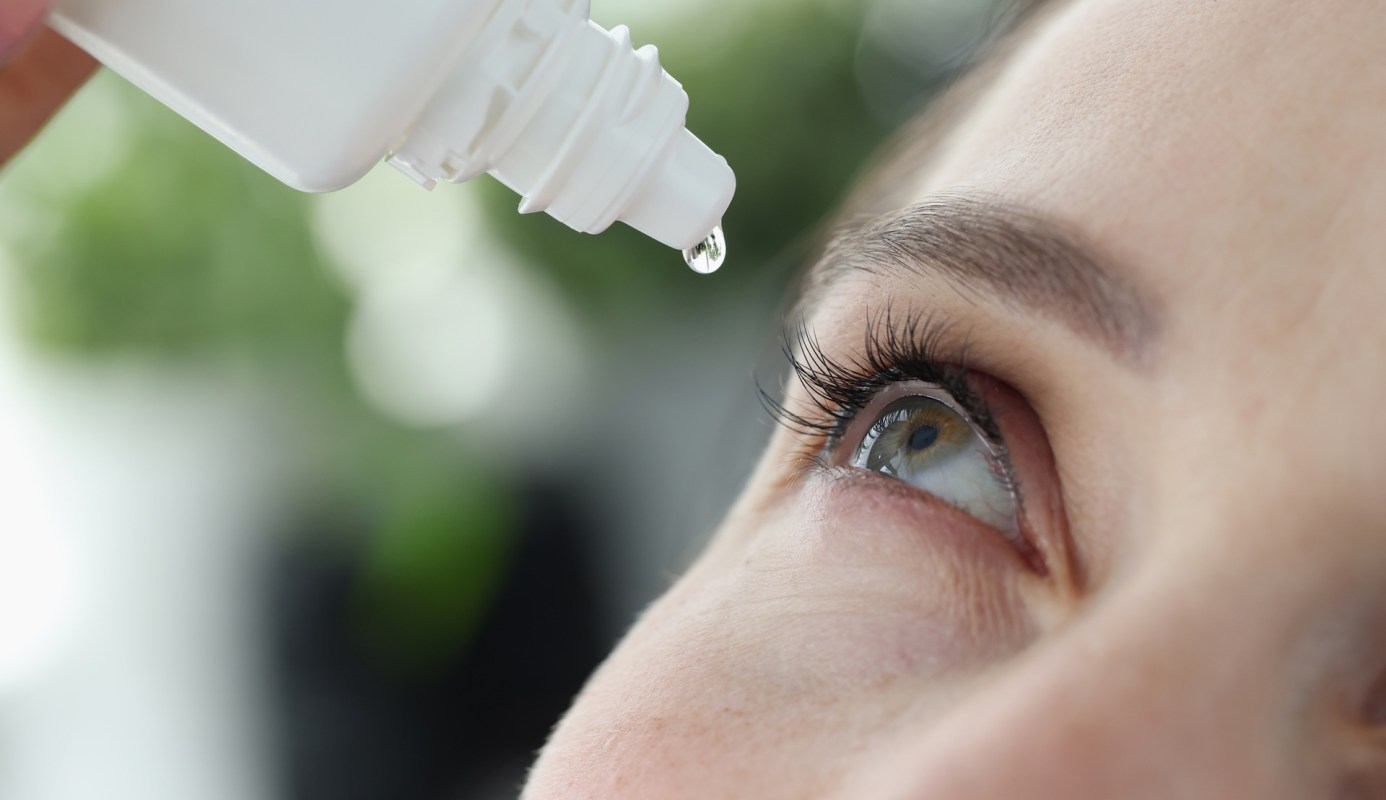
These drops require extra caution because they are applied directly to the eye rather than passing through some of the body's standard defenses against germs.
If a bottle is contaminated, the risk is not limited to irritation — it can also include infection.
TCD Picks » Quince Spotlight
💡These best-sellers from Quince deliver affordable, sustainable luxury for all
The stakes are higher for people who have or have had weakened immune systems, recent eye procedures, eye injuries, or other conditions that leave the eye more vulnerable. For those, even a problem considered medically reversible can become far more disruptive.
This kind of recall shows how product safety systems work after items have already reached store shelves.
Recalls do not always mean widespread harm has already occurred — in many cases, they point to a breakdown in quality assurance that manufacturers and regulators are trying to address before more serious injuries happen.
Checking only the brand or product line is not enough to tell whether a bottle is part of the recall.
Because so many lot numbers and expiration dates are involved, consumers need to verify the exact bottle they own rather than assume that all or none of a product line is included.
What can I do?
If you have Rohto eye drops at home, check the bottle and packaging carefully, including the exact product name, lot number, and expiration date.
If your product matches a recalled listing, stop using it. If you have already used it and notice symptoms, contact a healthcare professional promptly.
Consumers should also avoid sharing eye drops or continuing to use old bottles once a recall has been announced.
The situation also serves as a reminder to review medicine cabinets periodically and keep outer cartons when possible, since lot and expiration information can make recalls easier to identify.

Get TCD's free newsletters for easy tips, smart advice, and a chance to earn $5,000 toward home upgrades. To see more stories like this one, change your Google preferences here.