


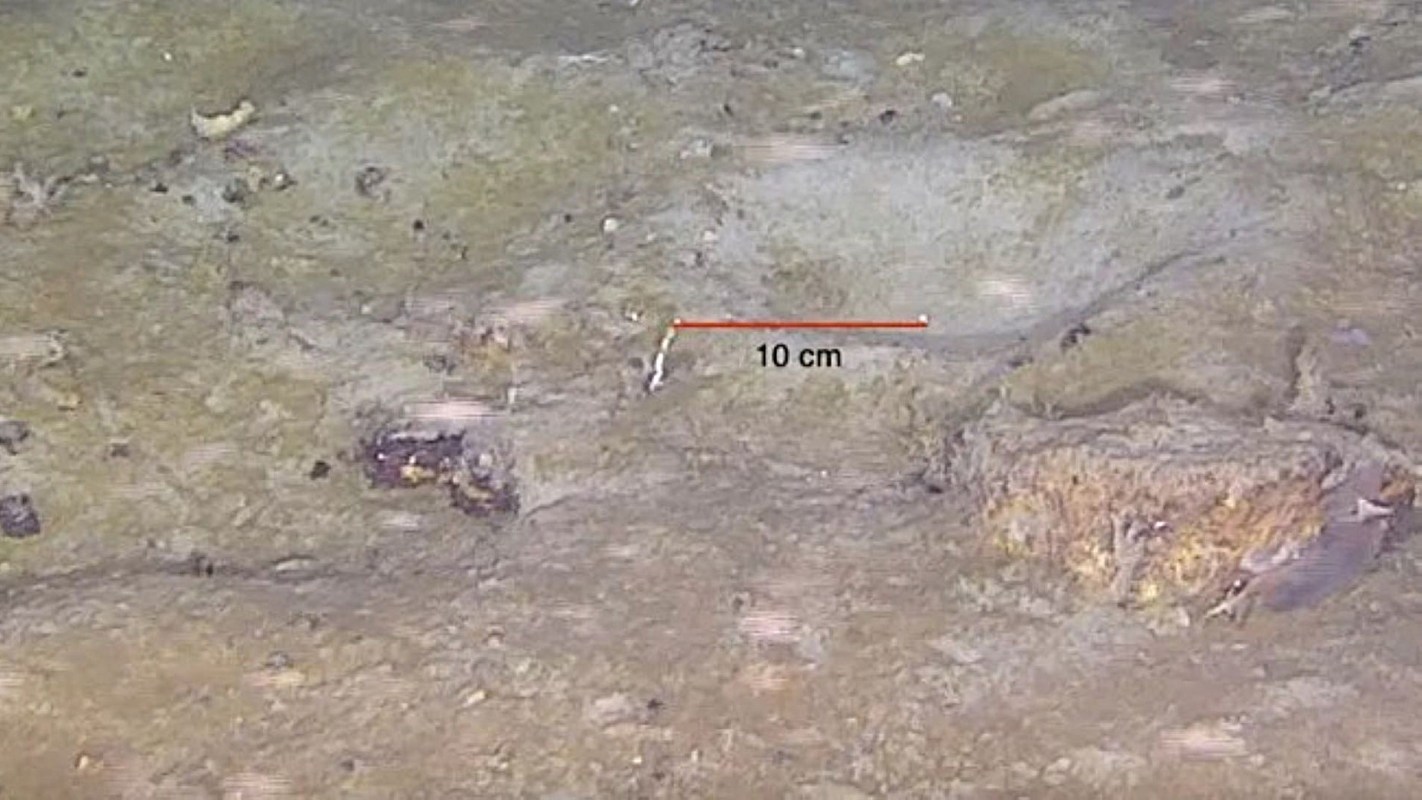
When an iceberg named A-68 broke away from Antarctica's ice shelf, it did more than alter the region's outline — it gave scientists a rare look into a hidden world beneath the ice, revealing a massive fish nursery on the floor of the Weddell Sea.
What happened?
During the Weddell Sea Expedition 2019, a team from institutions in the U.K. used a remote submersible camera to examine seafloor made reachable after A-68 broke from the Larsen C ice shelf in 2017. ScienceAlert reported that they found upward of 1,000 fish nests in an area that, up until that point, had been hidden under ice.
Those nests belonged to Lindbergichthys nudifrons, or the yellowfin notie — a small Antarctic icefish that grows to about 7.7 inches. A single nest may contain thousands of eggs, with males sometimes guarding them for up to four months.
Beyond the sheer number of nests, researchers were struck by their systematic organization. They wrote, "The most significant finding is the discovery of six distinct, geometric nesting patterns," and said the most common arrangement — clusters — accounted for 42% of all nests observed.
As ScienceAlert reported, the expedition was also searching for Endurance, the ship of explorer Sir Ernest Shackleton that sank there in 1915 and was eventually found in 2022.
Why does it matter?
Breeding grounds are among the most important parts of any ecosystem, and a nursery on this scale suggests the western Weddell Sea supports a much more dynamic marine community than scientists had previously been able to study.
TCD Picks » Quince Spotlight
💡These best-sellers from Quince deliver affordable, sustainable luxury for all




The layout of the nests may also help explain how animals endure one of the harshest environments on Earth. As ScienceAlert described it, in the dense cluster pattern, nests sat close together and sometimes even overlapped. The researchers said, "This would offer a significantly reduced risk to the nests in the center of the cluster."
Understanding where and how marine animals reproduce helps scientists identify habitats that are especially sensitive. Protecting those places can strengthen biodiversity, support healthier ocean food webs, and preserve natural systems that people rely on for climate stability and ecological resilience.
What's being done?
Using remotely operated technology to survey the seafloor, researchers were able to build a clearer picture of what lives in this remote region and how those animals behave when left undisturbed.
Researchers say the nesting site strengthens the scientific argument for tighter protections in the Weddell Sea. They contend it adds support to proposals for a Marine Protected Area there, which could help limit future disruption in a region that remains difficult to access and still poorly understood.
As the researchers wrote, "These findings provide critical evidence of unique, structured breeding habitats, fulfilling key criteria for the designation of Vulnerable Marine Ecosystems and strengthening the case for the proposed Weddell Sea Marine Protected Area."

Get TCD's free newsletters for easy tips, smart advice, and a chance to earn $5,000 toward home upgrades. To see more stories like this one, change your Google preferences here.






