


California is bracing for a major legal and environmental fight after the U.S. Department of the Interior narrowed what counts as "harm" under the Endangered Species Act.
The change could reshape protections for some of Northern California's most vulnerable wildlife, as well as the communities and fisheries tied to them.
What happened?
The U.S. Department of the Interior adopted a new reading of the Endangered Species Act that no longer classifies habitat destruction as harm, according to Active NorCal. The change is scheduled to take effect in September unless court challenges from environmental groups block it.
The law has been used to shield not only threatened animals from direct killing, but also the places they rely on to live and reproduce. This new interpretation narrows that protection.
The Interior Department has said the earlier standard unfairly burdened "families and businesses."
In Northern California, the biggest threat to many listed species is not hunting or direct attacks, but shrinking or damaged habitat.
TCD Picks » Quince Spotlight
💡These best-sellers from Quince deliver affordable, sustainable luxury for all




That includes winter-run Chinook salmon, which have been endangered since 1994 and rely on cold-water releases below Shasta Dam. Active NorCal also reported that coastal coho salmon, northern spotted owls, and vernal pool fairy shrimp depend heavily on habitat protections that the new federal interpretation could weaken.
Why does it matter?
Habitat loss can have effects far beyond a single species.
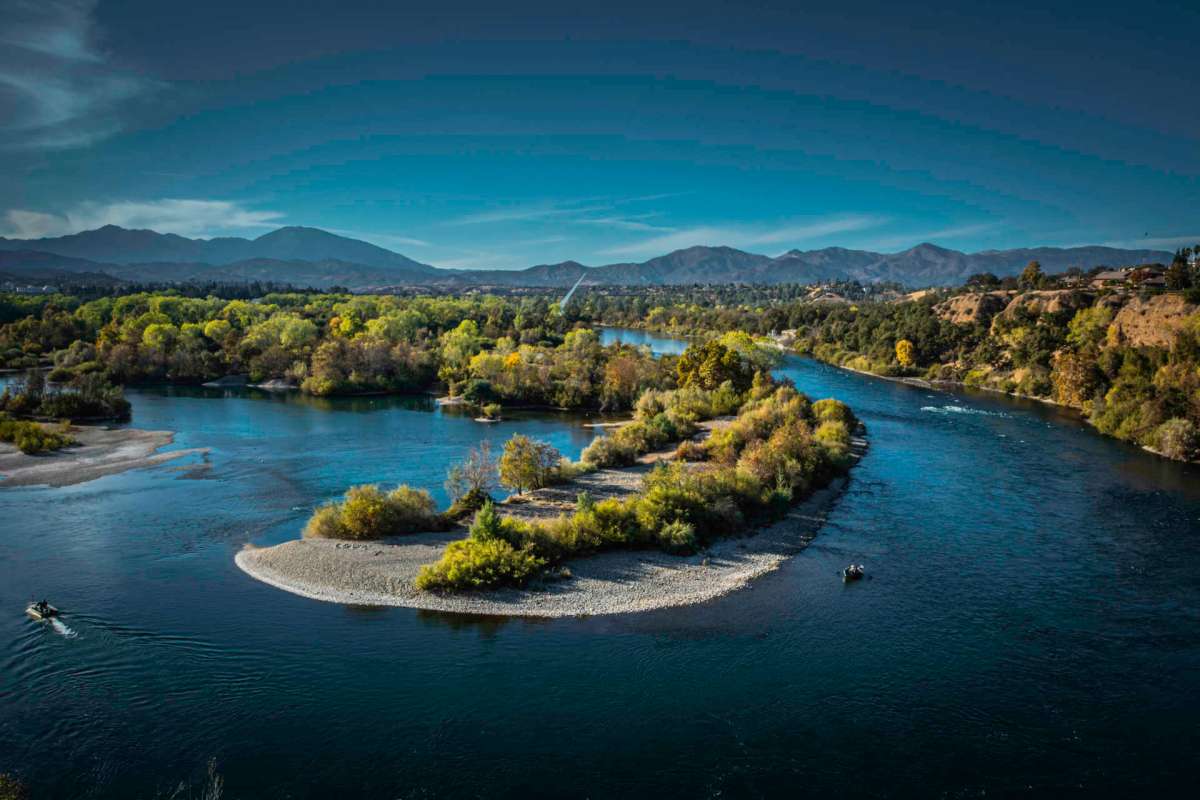
Anglers are watching for a comeback on the Sacramento River, where Active NorCal reported a projected return of 250,000 to 300,000 fall-run Chinook after three straight years of closed fisheries.
A stronger salmon run can mean more opportunity for fishing communities.
Once habitat protections are weakened, damage can happen long before a species is directly killed. A salmon stream that becomes too warm, a forest fragment that no longer supports owl nesting, or a seasonal wetland that disappears can push a species closer to collapse without a single poacher in sight.
Protecting habitat often helps people as well, since functioning ecosystems support cleaner water, outdoor livelihoods, and more stable local environments.
What's being done?
California officials have signaled they do not intend to let the federal shift go unanswered.
As Active NorCal reported, California Attorney General Rob Bonta's office said the state is exploring legal options and will defend the federal law.
California also has its own Endangered Species Act, and it still protects many of the same animals regardless of what happens in Washington. That means some safeguards could remain in place even if the federal rollback survives court challenges.
Environmental groups are also suing, setting up a fight over whether decades of Endangered Species Act precedent will hold. The outcome could determine how much power regulators retain to stop damage before species reach the brink.
With 50 years of precedent in question, the next phase will show how much of that legacy survives. The result could help decide whether California protects the habitats that sustain both wildlife and human communities.

Get TCD's free newsletters for easy tips, smart advice, and a chance to earn $5,000 toward home upgrades. To see more stories like this one, change your Google preferences here.






