


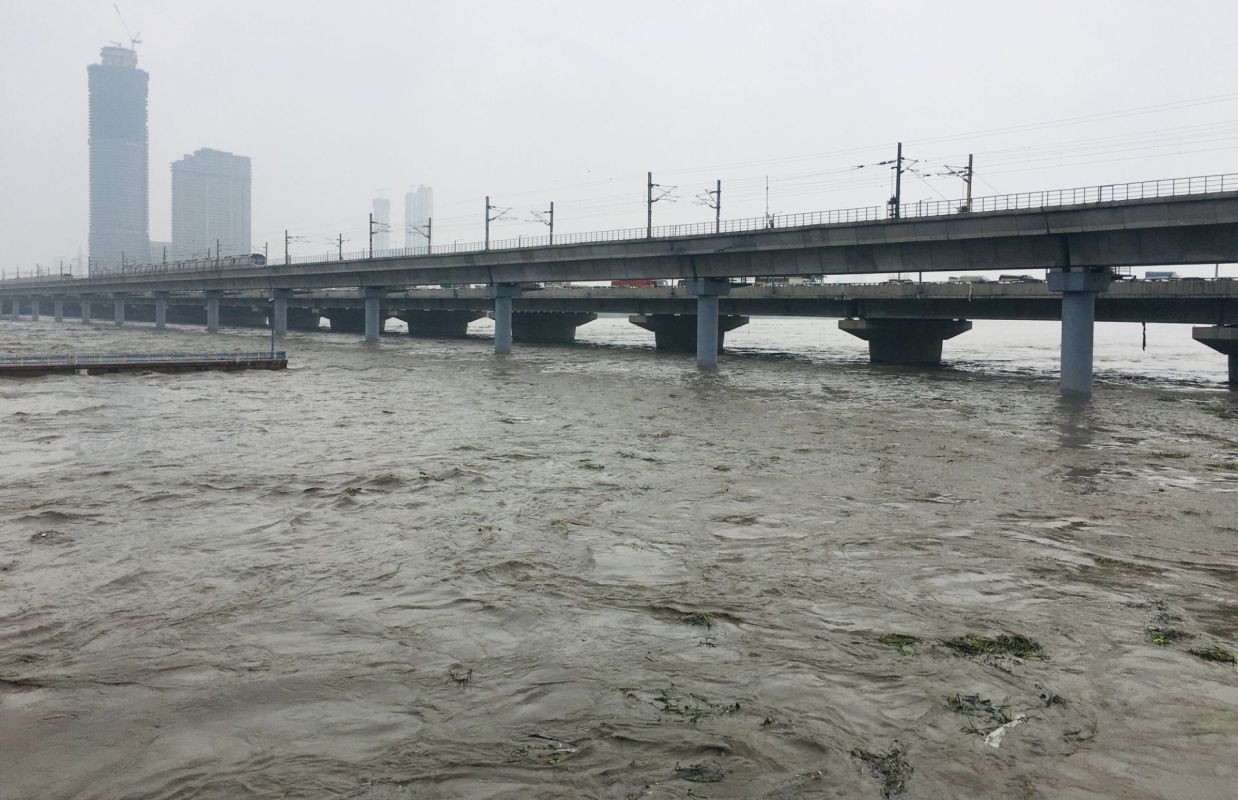
The Yamuna River has long been linked to sewage, industrial discharge, and toxic foam, but scientists have identified another form of pollution that is much harder to spot: microplastics inside the fish living there.
A study found microplastics in every one of the 12 freshwater fish species sampled from the river, with the highest contamination showing up in fish collected from Delhi's stretch of the Yamuna.
What's happening?
In the study, University of Delhi scientists examined 220 freshwater fish gathered at Yamuna Nagar and Karnal in Haryana, along with Sur Ghat and Sonia Vihar in Delhi.
Altogether, the fish contained 1,678 microplastic particles, The Times of India reported.
Samples from the capital were far more contaminated than those collected farther upstream in Haryana, indicating that the river picks up a heavier plastic burden by the time it reaches Delhi.
Researchers reported 751 particles in digestive tracts, 605 in gills, and 322 in muscle tissue. Muscle is the part people typically eat.
TCD Picks » Quince Spotlight
💡These best-sellers from Quince deliver affordable, sustainable luxury for all




Among the species studied, Sonia Vihar's omnivorous Nile tilapia had the highest contamination, with 436 recovered particles, while freshwater needlefish from Karnal had the lowest total, at 37.
Nearly 45% were polyethylene and polypropylene — materials commonly used for carry bags, food packaging, and throwaway household goods.
Why does it matter?
Because fish are taking in these particles, the pollution is not staying in the water alone. The Yamuna results raise the possibility that nearby people could be exposed as well when contaminated fish enter local diets.
Particles were found in muscle tissue, not just in the gut. This suggests that plastic fragments can move beyond what a fish has recently swallowed and into the tissues that eventually end up on dinner plates.
The UN Environment Programme has said the world produces more than 474 million US tons (430 million tonnes) of plastic each year, much of which quickly becomes waste.
Over time, larger plastic items break down into particles smaller than 0.2 inches (five millimeters), allowing them to spread through rivers, lakes, and oceans.
India has seen similar findings in other rivers, including the Ganga, Brahmaputra, Mithi, and Cooum.
Researchers have also reported finding them in shellfish, freshwater fish, drinking water, table salt, and farm soils.
What's being done?
Surface-level river cleanups alone do not address microplastics. Even if floating debris and visible foam are reduced, invisible plastic particles can remain in the water and continue accumulating in wildlife.
The study tied Delhi's higher readings to the pressures surrounding the river in the capital, including rapid urban growth, untreated sewage, textile runoff, industrial wastewater, and large amounts of suspended material.
Better sewage treatment, stricter industrial discharge standards, and stronger solid-waste management would target those sources.
India has placed limits on some single-use plastic categories, yet the country still struggles with waste collection, recycling, and disposal.

Get TCD's free newsletters for easy tips, smart advice, and a chance to earn $5,000 toward home upgrades. To see more stories like this one, change your Google preferences here.






