


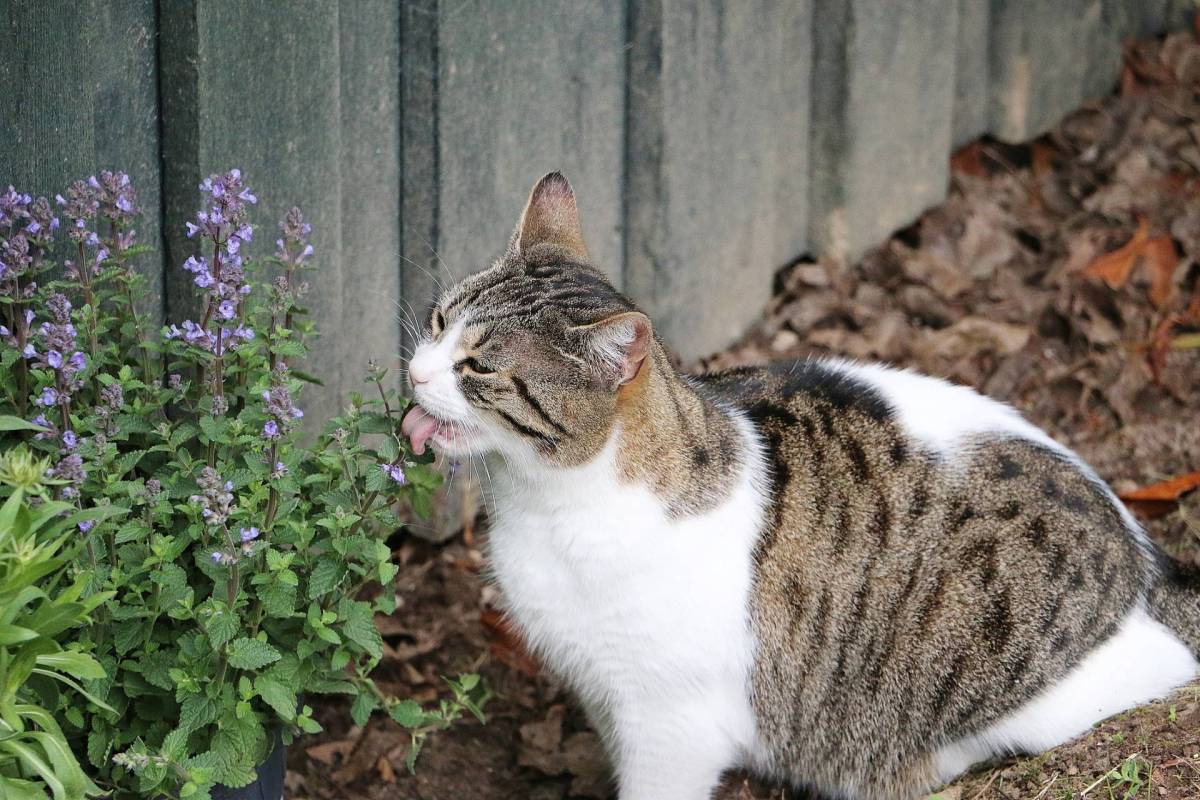
A simple herb best known for sending cats into a frenzy could also help cucumber plants stay healthier throughout the growing season. Catnip, a fast-growing perennial in many regions, may offer gardeners a low-cost way to reduce pest pressure without turning to chemical sprays.
What's happening?
For people trying to get more from their cucumber crop, growing catnip nearby could be worth considering. According to House Digest, as published on Yahoo Shopping, catnip produces nepetalactone, a compound that may help repel pests such as flea beetles, cucumber beetles, aphids, and cabbage loopers.
The outlet reported that those tiny pests can cause frustrating issues with your cucumber crops, including defoliation, small holes in leaves, stem damage, and bacterial wilt.
Researchers are still studying exactly how catnip's essential oils work, but early findings suggest they may be helpful for pest prevention, House Digest reported.
According to the outlet, in addition to pest prevention, catnip's purple flowers can also bring ecosystem-vital pollinators into the garden, including bees and wasps.
Why does it matter?
Pairing catnip with cucumbers is one example of companion planting, a gardening technique that places certain plants together to benefit one another through natural pest control, increased pollinator activity, improved soil conditions, and even weed suppression. In this case, companion planting can mean fewer pest problems and better odds of a full harvest.
TCD Picks » Quince Spotlight
💡These best-sellers from Quince deliver affordable, sustainable luxury for all




In general, homegrown produce often tastes better, since it can be picked at peak ripeness instead of being harvested early and shipped long distances. Gardening can bring other benefits as well, including more time outdoors, light physical activity, and stress relief that may support both mental and physical health.
Using plants like catnip as part of a natural pest-management strategy can also reduce reliance on chemical treatments around the home.
What can I do?
House Digest noted that catnip grows in USDA Hardiness Zones 3 through 9 and can be started from seed or planted as a nursery transplant. It should be planted no sooner than a couple of weeks after the final frost date, the outlet noted, and gardeners are likely to get the best results by placing it close to cucumber plants.
The herb does best in well-draining soil and needs regular watering until it becomes established, though it can become nearly drought-tolerant afterward. Gardeners should leave about 12 inches to 3 feet of space around catnip, as House Digest notes that catnip may reach roughly 3 feet in both height and width.
Because it spreads quickly, trimming catnip can help keep it from shading cucumber plants too heavily.
There is one possible drawback: Catnip may attract curious neighborhood cats, which can crush the plants. If that becomes a problem, a simple fence may help protect the garden bed.

Get TCD's free newsletters for easy tips, smart advice, and a chance to earn $5,000 toward home upgrades. To see more stories like this one, change your Google preferences here.






