


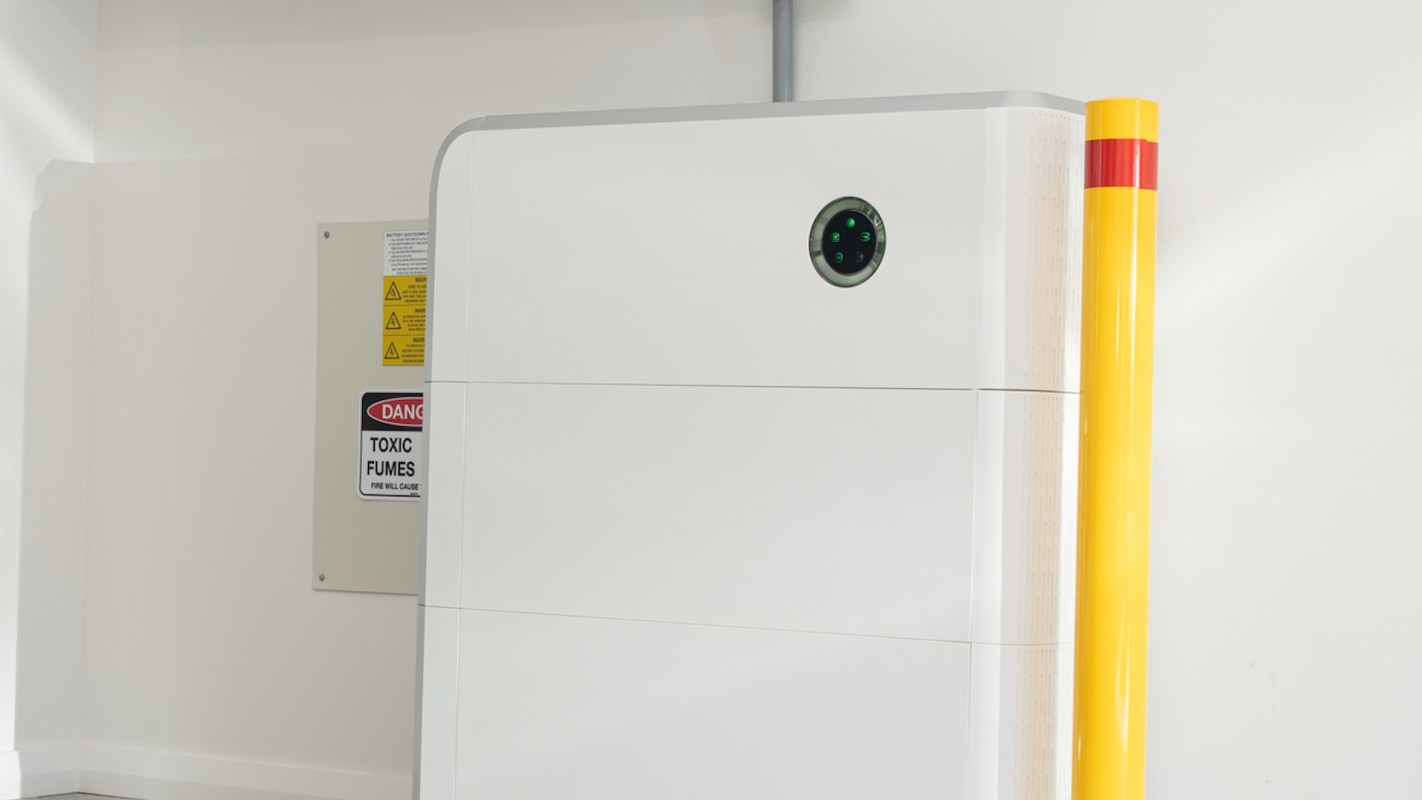
A Mirage News release says Western Australia has passed 50,000 home battery installations under the Albanese Government's Cheaper Home Batteries Program, marking a major clean energy milestone and giving more households a way to save rooftop solar power for later use.
What's happening?
In a public release published by Mirage News, WA was reported to have topped 50,000 home battery systems, adding up to more than 1.1 gigawatt-hours of storage. During the same April-to-June 2026 period, households also installed more than 110 megawatts of new rooftop solar, roughly enough to power 25,000 homes.
Outer suburban communities around Perth have led the increase, suggesting home batteries are becoming a standard household purchase rather than a niche upgrade. Assistant Minister for Climate Change and Energy Josh Wilson called the milestone "a significant milestone" and said it shows "just how strongly Western Australians have embraced home energy storage."
For homeowners who want to see what battery storage could look like at their own house, it's worth exploring EnergySage's free tools to compare home battery storage options and competitive installation estimates. EnergySage has teamed up with the electrification brand Qmerit to guarantee you get the best price on home battery storage solutions.
For a more affordable backup option, Pila also offers excellent battery backup choices. Its plug-and-play batteries are priced at a fraction of what a whole-home backup system would cost.
Why does it matter?
Battery storage can protect households during outages, cut energy costs, and reduce reliance on the grid. By storing excess solar power generated during the day, batteries allow homeowners to use more of their own electricity after sunset instead of buying power at higher evening rates.
Minister for Climate Change and Energy Chris Bowen said, "Every battery helps cut power bills, reduces pressure on the grid during peak periods, and helps put downward pressure on wholesale electricity prices for all consumers, while helping build a stronger and more reliable electricity system."
What's being done?
Households installing storage alongside rooftop solar can draw on both the federal Cheaper Home Batteries Program and Western Australia's Residential Battery Scheme. Officials are also coordinating with state and territory governments, so Australians without home solar or storage can still benefit from batteries through support for large-scale and community systems that improve reliability and deliver cleaner, lower-cost power.
Save $10,000 on solar panels without even sharing your phone number Want to go solar but not sure who to trust? EnergySage has your back with free and transparent quotes from fully vetted providers in your area. To get started, just answer a few questions about your home — no phone number required. Within a day or two, EnergySage will email you the best options for your needs, and their expert advisers can help you compare quotes and pick a winner. Solar panels can save you more than $50k over their 25-year lifespan, and EnergySage can help you save as much as $10k on installation. Which begs the question — isn't that worth an email or two? |

Five community batteries in Western Australia are already providing 2.8 megawatt-hours of storage, with 18 more set to come online. Those systems can help balance local demand and support neighborhoods as more homes add solar.
Through the Australian Government's Capacity Investment Scheme, 10 new projects in regional WA are projected to deliver 1.9 gigawatts of renewables along with 482 megawatts of battery capacity. Wilson said, "our government is making sure the big-ticket items like community batteries and grid-scale storage are built too."
As Bowen put it, "Australia is a solar nation, and these latest figures show that we're rapidly becoming a home battery nation too."
WA Minister for Energy and Decarbonisation Amber-Jade Sanderson added: "This is what building a State of Energy looks like: lower bills, cleaner energy and a stronger grid for everyone."

Get TCD's free newsletters for easy tips, smart advice, and a chance to earn $5,000 toward home upgrades. To see more stories like this one, change your Google preferences here.






