


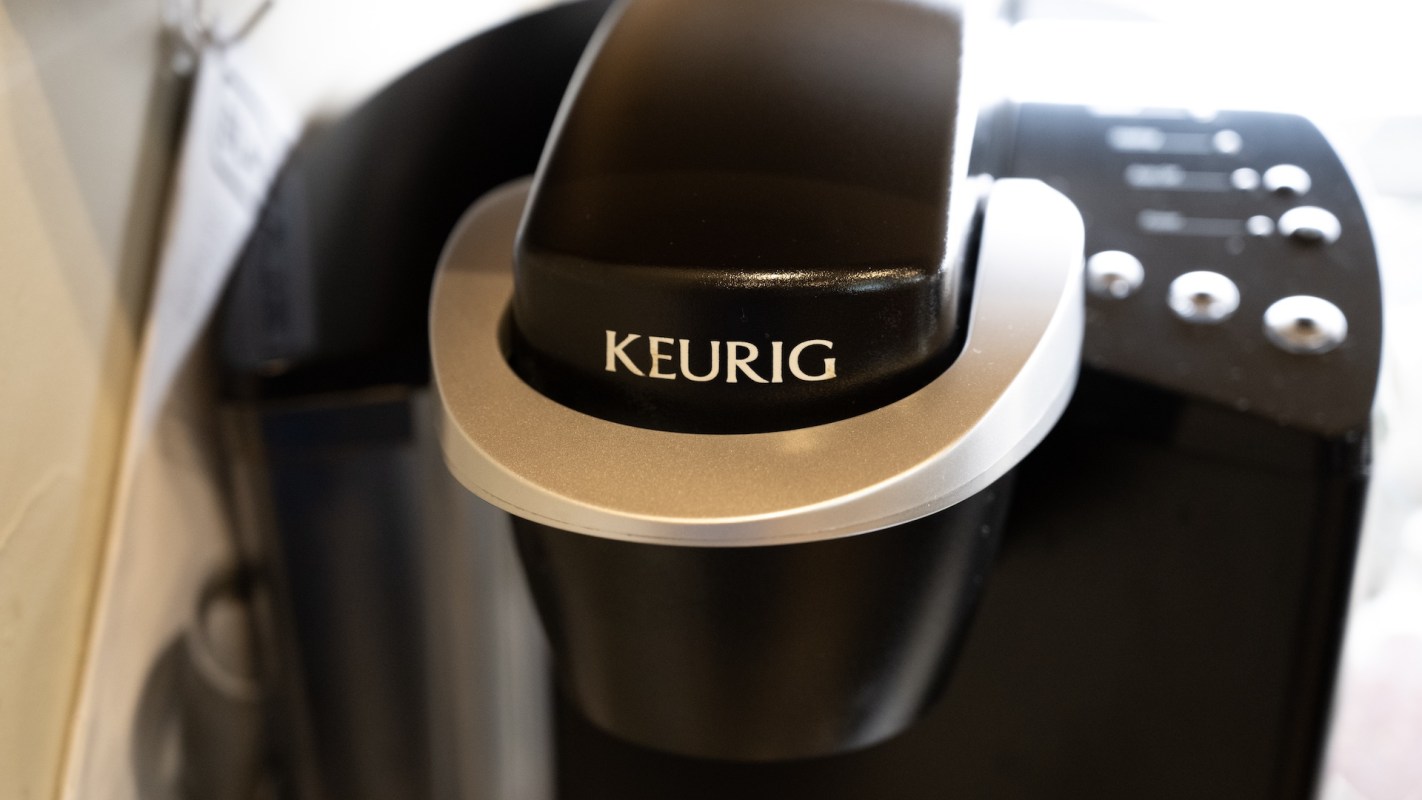
A Keurig simplifies many people's morning routine. For countless Americans, all they need to do is insert a pod, tap brew, and let the cup fill on its own.
That ease, though, might also mean drinking small plastic particles along with the coffee.
What's happening?
As Tasting Table reported, similar issues have been raised for other coffee makers that rely on plastic components, and factors such as brewing pressure, water temperature, and the coffee's acidity can all affect how many are released.
Because standard K-Cups are largely made of polypropylene, the brewing process can expose that plastic to the very conditions that encourage particle shedding. In Keurig-style machines, hot water is forced through a pod, meaning some of those microplastics may end up in the beverage.
The term "microplastics" generally refers to plastic fragments smaller than a fifth of an inch in at least one direction. These particles often appear as bigger plastic items degrade over time, particularly with repeated use and exposure to heat or friction (which is needed to brew a cup of joe).
Unfortunately, research on coffee pods' plastic contamination remains limited, as Tasting Table reported, but interest is growing, especially as more alarming details are uncovered about potential impacts.
TCD Picks » Quince Spotlight
💡These best-sellers from Quince deliver affordable, sustainable luxury for all




Why does it matter?
Scientists have spent years studying microplastics in the environment, particularly their effects on oceans and marine life. Now, some attention has shifted to how often people may be consuming them through common foods and drinks.
Bottled water, seafood, table salt, and rice are among the foods and drinks where microplastics have been detected at especially concerning levels.
Researchers are still working to understand what microplastic exposure does inside the human body, so the public health picture remains incomplete. Even so, there is concern because these tiny plastic particles can carry chemicals that interfere with hormones and have been associated with cancer, diabetes, reproductive issues, and developmental harm, per Tasting Table.
One cup of pod coffee is unlikely to determine a person's health, but repeated low-level exposure from many different sources is why researchers and health experts are paying closer attention.
What can I do?
If you use a Keurig, this does not necessarily mean you need to throw it out. You can reduce avoidable plastic exposure where it makes sense and fits into your routine.
One simple option is to switch brewing methods altogether. A French press, percolator, moka pot, or traditional espresso machine can reduce disposable plastic use while still delivering a strong cup of coffee, as most are made primarily or entirely using stainless steel, another metal, or glass. Drip coffee has traditionally been tough to find without plastic, but Simply Good Coffee now makes a Plastic-Free Brewer model.
Biodegradable pods made to fit Keurig machines are available from some brands, and reusable stainless steel pods are another option.
By choosing those alternatives, you may lower one potential source of microplastics and also reduce the amount of single-use plastic waste that builds up at the same time.

Get TCD's free newsletters for easy tips, smart advice, and a chance to earn $5,000 toward home upgrades. To see more stories like this one, change your Google preferences here.







