


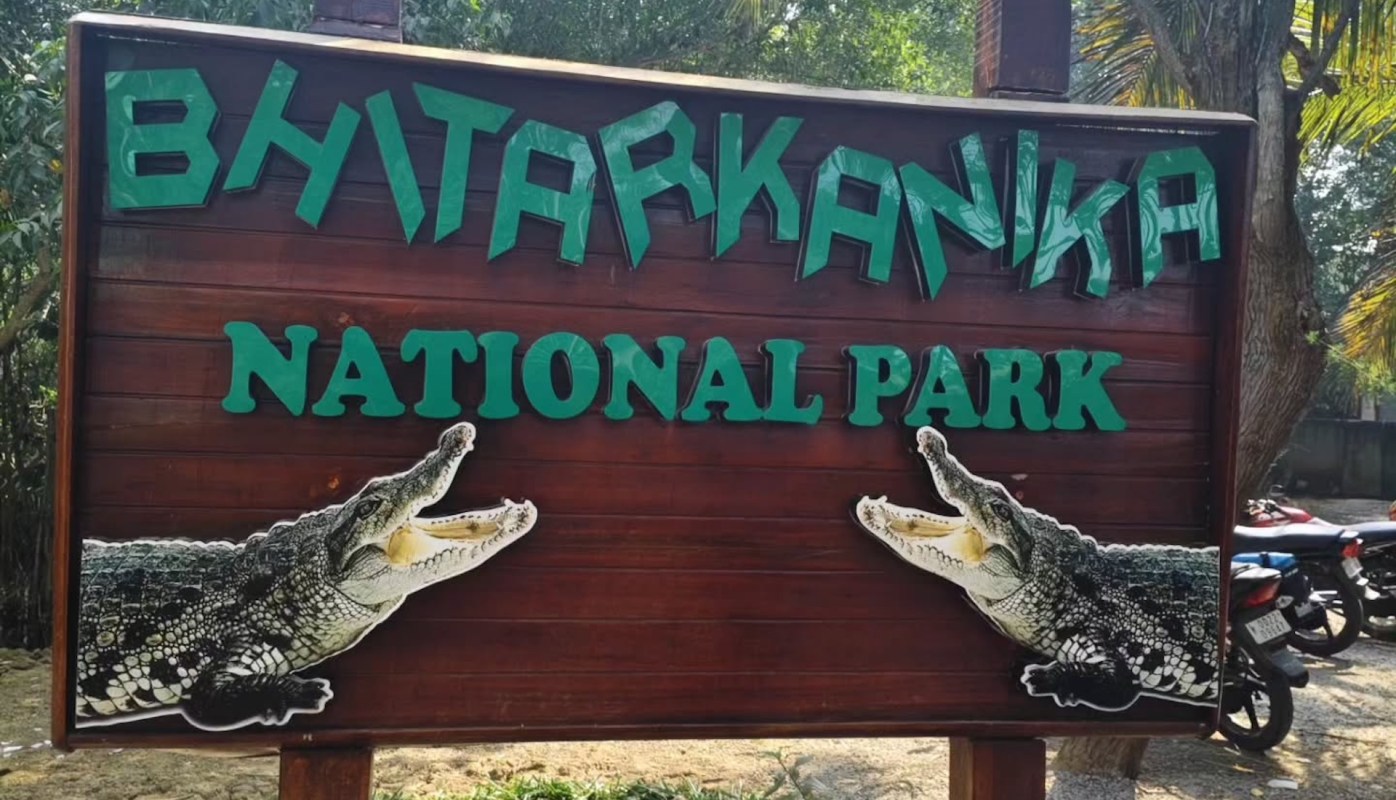
A woman bathing in a river near India's Bhitarkanika National Park was killed by a saltwater crocodile, a devastating reminder of the dangers facing communities that share waterways they use every day with large predators.
The incident reflects a broader human-wildlife conflict in places where people depend on rivers for bathing, washing, and earning a living.
What happened?
On August 3, a saltwater crocodile dragged 48-year-old Suchitra Das into the flood-swollen Brahmani River.
The Times of India identified Das as a resident of Damodarapatana village in Pattamundai block.
Her body was located the following evening on a mudflat within the Rajnagar forest range of Bhitarkanika National Park after a search by forest department and fire services personnel.
Das is survived by her husband and two sons, and her family is to receive Rs 10 lakh (~$10,516 USD) in ex gratia relief once the inquiry is finished.
TCD Picks » Quince Spotlight
💡These best-sellers from Quince deliver affordable, sustainable luxury for all




Citing this year's reptile census, roughly 1,858 saltwater crocodiles live in the area.
Forest officials also said attacks by crocodiles have killed six people over the past 17 months, 16 over three years, and 32 over 51 months.
Why does it matter?
In many riverside communities, people cannot simply avoid the water. They rely on it for bathing, fishing, and other daily needs.
Officials have repeatedly cautioned people living near Bhitarkanika not to enter rivers, creeks, and other nearby water bodies because of the dense estuarine crocodile population.
Even so, avoiding those waterways can be hard in places where daily routines and livelihoods depend on them.
What's being done?
According to officials, the forest department is providing financial assistance to Das' family, continues to advise residents to stay out of crocodile-infested waters when they can, and sent her body to a government hospital in Jajpur for a post-mortem examination.
The department also issued a helpline number, 9938914101, and asked villagers to report crocodile sightings immediately so rescue teams can respond quickly and capture the reptiles if necessary.
The challenge remains unresolved: how to protect people in places where dangerous wildlife habitat and human necessity overlap every day.
Local frustration was summed up by Arabinda Mandal, former sarpanch of Jamboo gram panchayat: "A large number of riverside villagers depend on fishing for their livelihood, but the growing crocodile menace has put their lives and livelihoods at constant risk."

Get TCD's free newsletters for easy tips, smart advice, and a chance to earn $5,000 toward home upgrades. To see more stories like this one, change your Google preferences here.







