


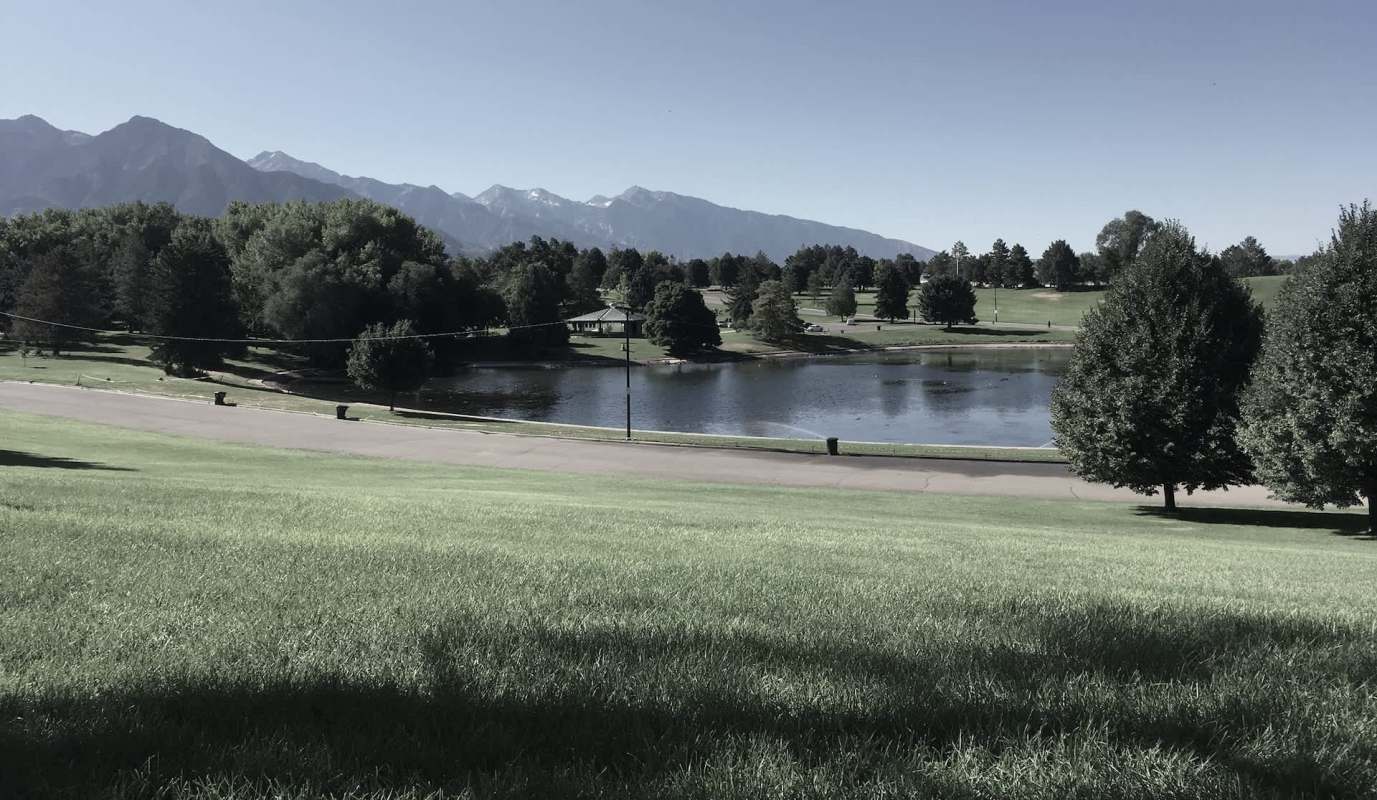
A summer walk through Sugar House Park now comes with a stark reminder of the drought: the park's well-known pond has been drawn down, exposing how little water is reaching it during this unusually dry period.
What's happening?
The lower pond level is tied to drought conditions in the streams that feed the park.
County officials noted that the pond also serves as a detention basin, and public utilities leaders told KSL that July flows in the creeks connected to the system fell to record lows.
Parley's Creek is part of that picture, with nearly all of its available water continuing farther downstream.
Jesse Stewart, deputy director of public utilities, said some earlier messaging had created confusion, but stressed that water is still being released from Mountain Dell Reservoir.
"All the flows that are going into the reservoir are coming out the downstream side," Stewart said, per KSL.
TCD Picks » Quince Spotlight
💡These best-sellers from Quince deliver affordable, sustainable luxury for all




Rather than emptying the pond all at once, officials opened the downstream gate that normally keeps water in place. That allows the limited inflow to keep moving through the system instead of sitting in the summer heat and turning stagnant.
Park officials also said the drought has reduced incoming water so much that even with the gate closed, there still would not be enough flow to maintain healthy circulation in the pond.
Why does it matter?
Beyond being a cherished part of the park, the pond also plays a flood-control role. It was built to capture heavy runoff and stormwater surges, helping protect nearby neighborhoods when wetter conditions return.
Worsening extreme weather can threaten communities in multiple ways. Drought can degrade water quality, stress ecosystems, and increase risks to public health and safety.
When conditions swing the other way, flood-control infrastructure becomes even more essential, affecting homes, public spaces, and local economic stability.
Wildlife questions have surfaced, too. The Utah Division of Wildlife Resources does not expect the reduced water levels to cause major problems for waterfowl, even though dozens of dead ducks were found along the shoreline during a park visit.
Officials are investigating, including whether some of the birds may have been domesticated animals abandoned there.
Low water levels can reshape neighborhood parks, reduce recreational value, and raise concerns about animals and water conditions in spaces many people use regularly.
What's being done?
With so little water available, officials are trying to direct it carefully.
Hydrology manager John Wells told KSL that nearly all of Parley's Creek is being sent farther downstream, with only a small portion diverted into Little Dell Reservoir.
Lowering the pond was also intended to avoid shallow, stagnant water becoming a summer water-quality issue.
"It'd be hot. It's shallow. And you might have some water quality issues," Stewart said.
County officials said they will wait for conditions to improve before closing the gate and allowing the pond to refill.
Wells told KSL that the pond may not return to its more typical level until the next runoff season.
"There's just not water in sufficient volumes coming into the pond right now," Stewart said.
"The takeaway is, yes, we're OK this year, but in future years, just know that we need to do a good job of conserving what we have," Wells said.

Get TCD's free newsletters for easy tips, smart advice, and a chance to earn $5,000 toward home upgrades. To see more stories like this one, change your Google preferences here.







