


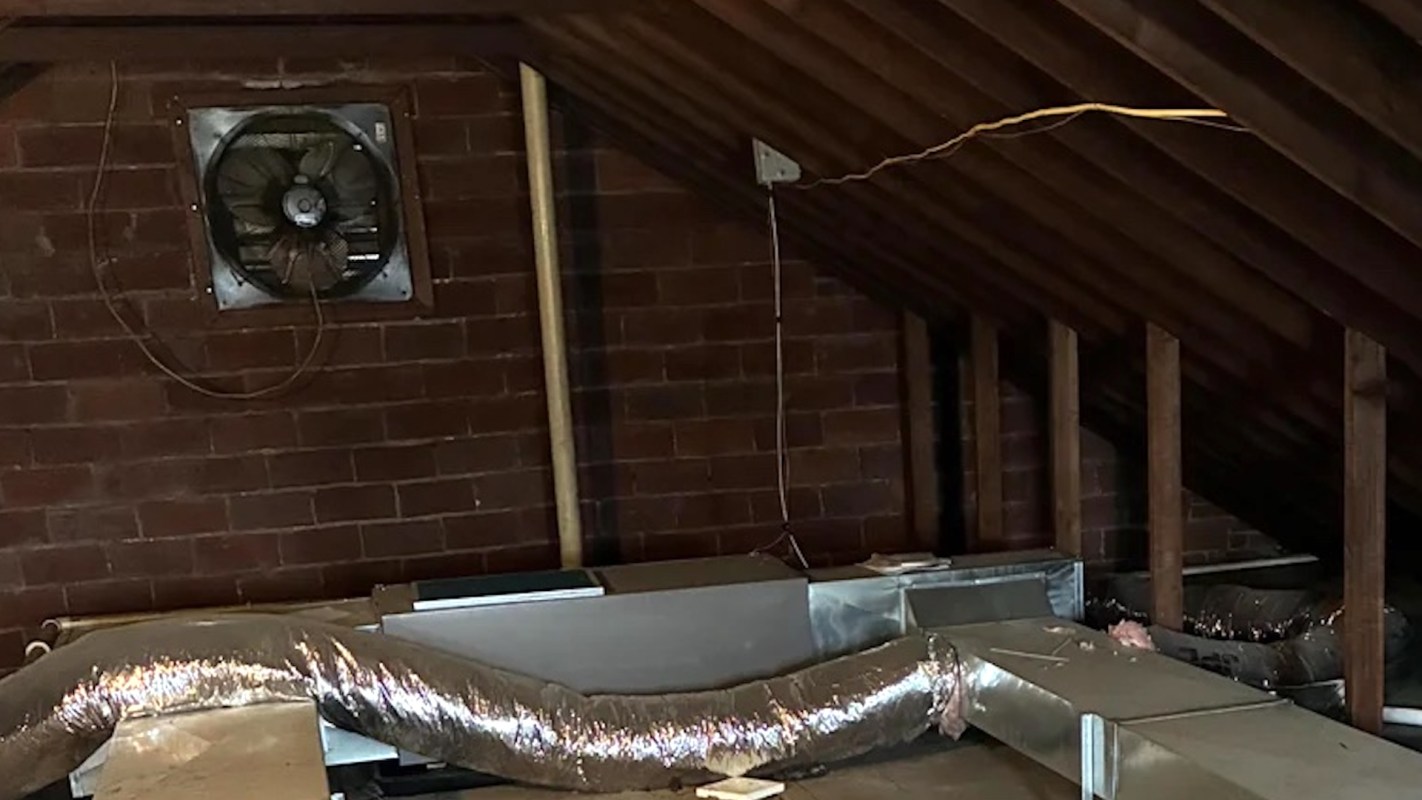
A sweltering upstairs can be more than just an annoyance when your air conditioning equipment is sitting in a brutally hot attic.
One homeowner's question about whether to bury ductwork in blown-in insulation points to a common problem: When cooling equipment is exposed to extreme attic heat, both your comfort and your power bill can take a hit.
What's happening?
On Reddit, a homeowner said the upstairs remains around 80 degrees or warmer once outdoor temperatures pass 90. They explained that the system's upstairs air handler sits in an uninsulated attic and "struggles to cool the upstairs in hot weather."
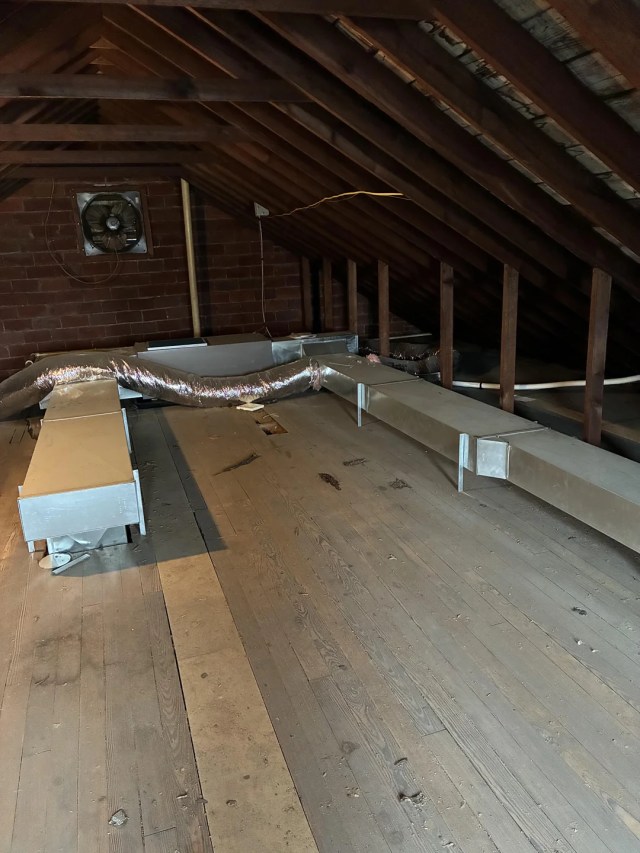
Trying to improve performance, the homeowner asked if burying the ducts under blown-in insulation might help.
"Has anyone had success with this before and are cons I should bear in mind?" they wrote.
Many older homes have HVAC equipment and ductwork running through vented, superheated attics.
When ducts and air handlers are exposed to extreme heat, cooling efficiency can drop before conditioned air even reaches the rooms it is meant to cool. For homeowners considering larger fixes, EnergySage can help you understand your HVAC options and slash your energy bills with new, efficient HVACs through its heat pump marketplace program, which can connect you with trusted installers.
Why does it matter?
If your upstairs never cools down, you may be paying for electricity without getting the comfort you expected. That can mean longer run times, more wear on your system, and higher monthly utility bills during the hottest parts of the year.
Save $10,000 on solar panels without even sharing your phone number Want to go solar but not sure who to trust? EnergySage has your back with free and transparent quotes from fully vetted providers in your area. To get started, just answer a few questions about your home — no phone number required. Within a day or two, EnergySage will email you the best options for your needs, and their expert advisers can help you compare quotes and pick a winner. Solar panels can save you more than $50k over their 25-year lifespan, and EnergySage can help you save as much as $10k on installation. Which begs the question — isn't that worth an email or two? |

Heating and cooling upgrades are among the most effective ways to save money on utility bills and protect yourself against rising energy prices. Even if burying ductwork helps, it may address only part of the problem if the attic is poorly insulated, the ducts are leaky, or the equipment is older and less efficient.
The best fix is often less about one simple trick and more about reducing wasted energy overall. Better insulation, duct sealing, targeted cooling, or a high-efficiency HVAC upgrade can make a home more comfortable while lowering the amount of energy needed in the first place.
What can I do?
If your AC equipment is in an uninsulated attic, a strong first step is to have a qualified HVAC professional evaluate the entire system. Duct insulation may help reduce heat gain, but it is also worth asking about duct leaks, attic insulation levels, airflow issues, and safe service access to the handler before covering anything.
If you're considering a larger upgrade, EnergySage's heat pump marketplace can help you compare efficient heating and cooling solutions for your home and connect you with trusted installers. And if you're not ready to spend upfront, Palmetto offers a $0-down HVAC leasing program that can lower your energy costs by up to 50%.
At a lower price point, Merino makes single-room ultra-efficient HVACs for targeted heating and cooling. That could be especially helpful if the upstairs is the main trouble spot.
Homeowners can also pair solar panels with electric appliances such as efficient HVAC systems to bring utility costs down even further. EnergySage makes it easy to find the best solar system and installer for your home and budget.

Get TCD's free newsletters for easy tips, smart advice, and a chance to earn $5,000 toward home upgrades. To see more stories like this one, change your Google preferences here.






