


One homeowner looked for a do-it-yourself way to cool a hot house by adding a fan to the attic access door and venting attic heat. What sounded simple, though, came with uncertainty about how that airflow could affect the rest of the home.
The concern was not just comfort. A temporary fix could also move heat or insulation toward the living space and create moisture or mold-related problems.
What's happening?
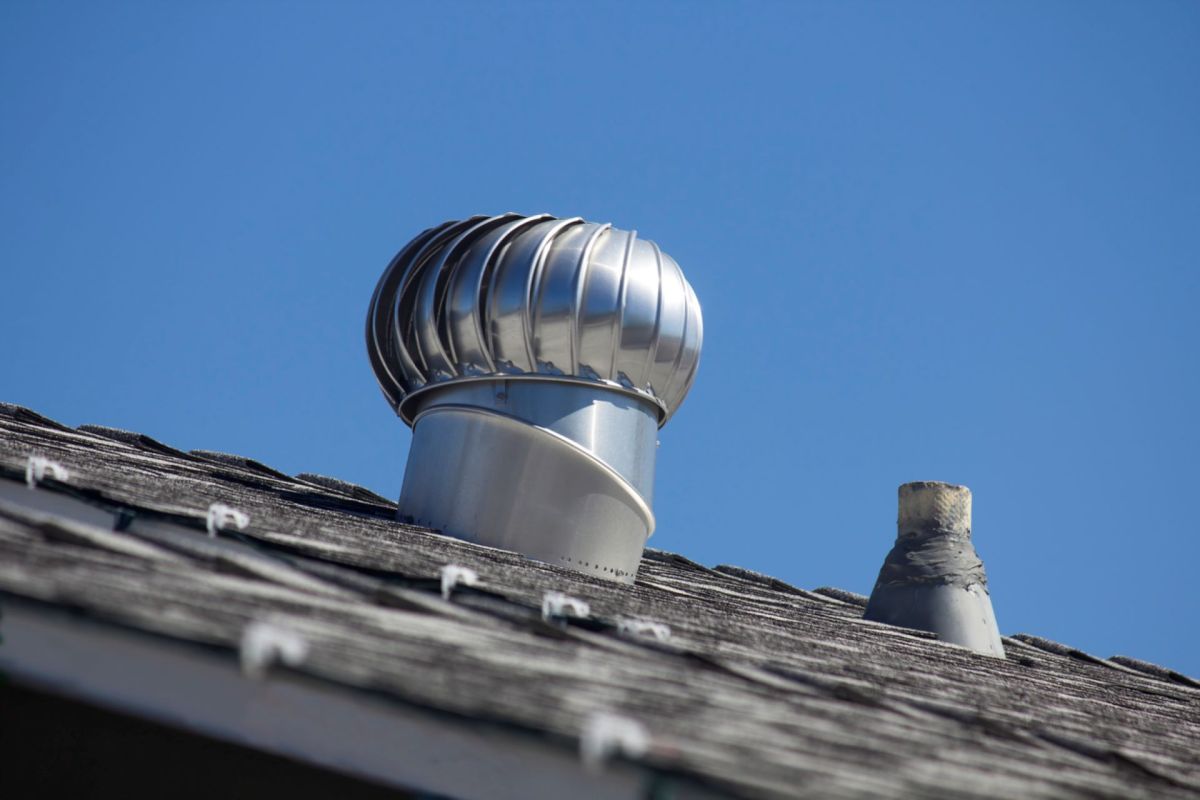
The homeowner took to Reddit for advice about venting an attic. They said the roof already has vents and the attic is reached through a door in the garage. They also noted that the garage is still missing a wall, so it remains partly open to the yard.
As a short-term measure, they were considering cutting an opening into that attic door for a fan, but they were unsure which direction the air should move.
"I'm not sure though whether I should have the fan blow cooler air from the garage into the attic or have it blow hot air out of the attic into the garage," they said.
Part of that hesitation came from something the homeowner had read online: that forcing air into the attic might push hot air and insulation back into the house through gaps such as recessed lights and other openings.
If you are considering a similar fix, it may also be worth taking a look at your home's heating and cooling system. Through EnergySage's heat pump marketplace, you can find efficient heating and cooling solutions for your home, understand your HVAC options, and connect with trusted installers who can help slash your energy bills.
Why does it matter?
An overheated attic can make a home harder and more expensive to cool. When heat builds above the ceiling, an air conditioner has to work harder, which can lead to higher energy bills and more wear on aging equipment.
Save $10,000 on solar panels without even sharing your phone number Want to go solar but not sure who to trust? EnergySage has your back with free and transparent quotes from fully vetted providers in your area. To get started, just answer a few questions about your home — no phone number required. Within a day or two, EnergySage will email you the best options for your needs, and their expert advisers can help you compare quotes and pick a winner. Solar panels can save you more than $50k over their 25-year lifespan, and EnergySage can help you save as much as $10k on installation. Which begs the question — isn't that worth an email or two? |

But airflow and pressure matter. If the ceiling plane is not well sealed, adding a fan can move air in unintended ways, potentially pulling conditioned air out of the house or pushing attic air into places it should not go. In a setup involving a garage that is partly open to the outdoors, that airflow can become even less predictable.
A temporary fan may offer limited relief, but it usually does not address the underlying problems tied to insulation, air sealing, ductwork, or HVAC efficiency.
What can I do?
If your attic is making the house miserable, start with the basics. Check attic insulation levels, air sealing around lights and penetrations, and whether existing vents are clear and balanced. Those steps can help reduce heat gain without creating new moisture or air-quality problems.
If the bigger issue is an outdated cooling system, EnergySage can also help you compare efficient HVAC options before you commit. If you are not ready to spend up front, Palmetto offers an HVAC leasing program.
At a lower price point, Merino makes single-room ultra-efficient HVACs for targeted heating and cooling.
You can push savings even further by pairing solar panels with electric appliances such as efficient HVACs. EnergySage makes it easy to find the best solar system and installer for your home and budget.

Get TCD's free newsletters for easy tips, smart advice, and a chance to earn $5,000 toward home upgrades. To see more stories like this one, change your Google preferences here.






