


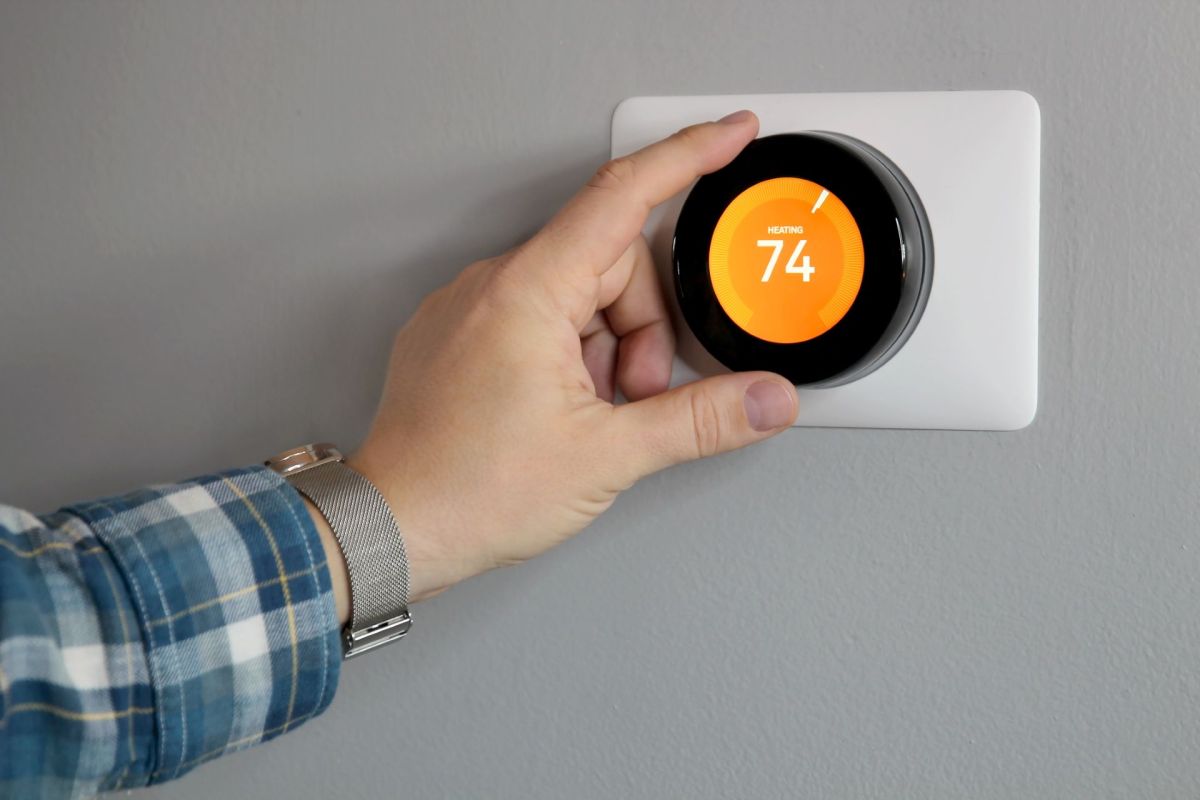
One tenant at a large apartment complex is challenging a building rule after management allegedly said the air conditioning could be damaged if residents set the thermostat to a temperature higher than the one outdoors.
What's happening?
The complaint appeared in a Reddit post, where the resident said management had instructed tenants to "always set the Target temperature lower than the outside temperature otherwise it will damage the AC unit."
The renter said that advice breaks down in muggy weather. "Recently it has been in the '60s and very humid, so opening the windows is not ideal," they wrote, even though management's example was that "if it's 68 degrees out to not set it for 72 … set it for below 68 or open the windows."
The post also described weak circulation inside the apartment. According to the resident, the unit can stay "75 or 76 degrees and humid" even when it is 65 outside, and the windows are open, which the tenant summed up by writing: "The air flow in my apartment is absolute s***."
In the end, the resident reduced the whole issue to a blunt question: "Is this BS?"
Why does it matter?
Heating and cooling rules can directly affect comfort, health, and utility costs. If a tenant is effectively told to overcool an apartment just to control humidity, that can drive up electric bills while still leaving the home uncomfortable.
TCD Picks » Quince Spotlight
💡These best-sellers from Quince deliver affordable, sustainable luxury for all




Humidity is a major part of the issue, too. A clammy apartment can feel hotter than the thermostat reading suggests, and poor airflow can make it hard for residents to manage indoor conditions without constantly adjusting the temperature or opening windows.
The situation also reflects a broader frustration many renters face when property rules get in the way of practical, money-saving changes. Across the country, landlords and housing communities have been known to prevent residents from adopting lower-cost habits such as gardening or hanging clotheslines to dry laundry.
When renters have limited control over ventilation, appliances, or home upgrades, even basic efforts to stay comfortable and save money can become a battle over building policy.
What can I do?
One of the first steps is to ask for the policy in writing and request a maintenance explanation for why that thermostat setting would damage the unit. If the real issue is airflow, filtration, or humidity control, that could point to a system problem that needs service rather than a thermostat workaround.
Renters can also document indoor temperatures, humidity levels, and how the unit performs at different settings. If the apartment stays warm and damp even when the outdoor air is cooler, that record can help support a request for an inspection of vents, filters, blower performance, or balancing issues.
It may also help to work collaboratively with building management on rule changes that improve both efficiency and comfort. This homeowners association guide offers practical tips for changing bylaws and policies.
For this renter, the issue appears to be less about personal preference and more about whether residents are being asked to compensate for a system that is not working as it should.

Get TCD's free newsletters for easy tips, smart advice, and a chance to earn $5,000 toward home upgrades. To see more stories like this one, change your Google preferences here.






