


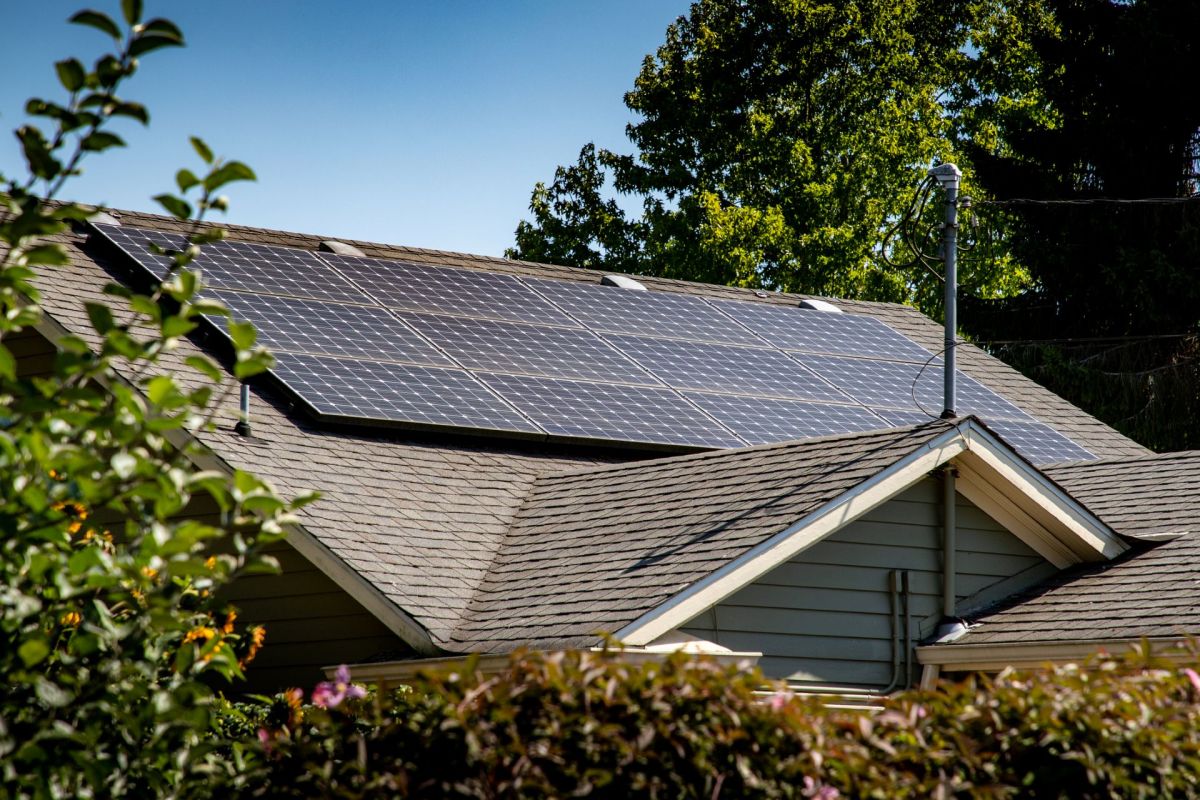
A California homeowner found themselves on the hook for a six-figure loan for a solar panel system that was never fully completed or interconnected.
Instead of lowering electric bills or earning solar credits, the installation left the customer paying more than $400 a month for equipment that was neither permitted nor connected to the grid.
What happened?
The situation surfaced in a post on Reddit, where someone seeking help on behalf of a Madera, California customer wrote that the homeowner had been "majorly screwed by solar and financing companies."
The original poster said Swift Energy installed about 11 kilowatts of solar panels, but the necessary permitting was never completed and the project was never interconnected with the power grid. They added that the project was "supposed to be NEM 2.0," the billing structure many California solar customers rushed to secure before the rules changed with the advent of NEM 3.0.
The loan terms described in the post raised concerns among Redditors. The OP explained that Mosaic — described as "now defunct/BK" — financed the deal, while SolarServicing later became the servicer. The homeowner was paying around $400 per month on a 20-year contract, meaning they would fork out about $100,000 in total. However, the system was only worth around $30,000.
The homeowner reportedly tried to halt the payments because the project still had not reached local final approval or PG&E interconnection, making it essentially useless.
TCD Picks » Quince Spotlight
💡These best-sellers from Quince deliver affordable, sustainable luxury for all




Yet, according to the OP, "Mosaic kept demanding payment."
Why does it matter?
Solar power can significantly lower household energy costs, but only if the system is properly permitted, approved, and producing electricity. When a project stalls before final inspection or utility interconnection, a homeowner can be left with all the debt and none of the savings.
The situation raises questions about whether the homeowner was given clear and fair information or whether they were the victim of fraud.
What can I do?
As one commenter recommended, homeowners facing a similar problem should begin by gathering all relevant paperwork, including the installation contract, financing agreement, payment history, inspection records, and any emails or text messages from the installer, lender, or servicer. It can also help to request written confirmation of permit status from the local building department and of interconnection status from the utility.
Consumers can also file complaints with state contractor regulators, consumer-protection agencies, and the utility if interconnection paperwork was mishandled. Legal aid groups or consumer attorneys may also be able to help determine whether a borrower has defenses when a system was never delivered as promised.
Anyone shopping for solar can protect themselves by getting multiple quotes, verifying a contractor's license, checking complaint history, and getting written responses for who is responsible for permits, final inspection, and utility interconnection.

Get TCD's free newsletters for easy tips, smart advice, and a chance to earn $5,000 toward home upgrades. To see more stories like this one, change your Google preferences here.






