


With summer temperatures soaring and electricity rates continuing to skyrocket, it seems like everyone is looking for power-saving hacks that will lower their utility bills.
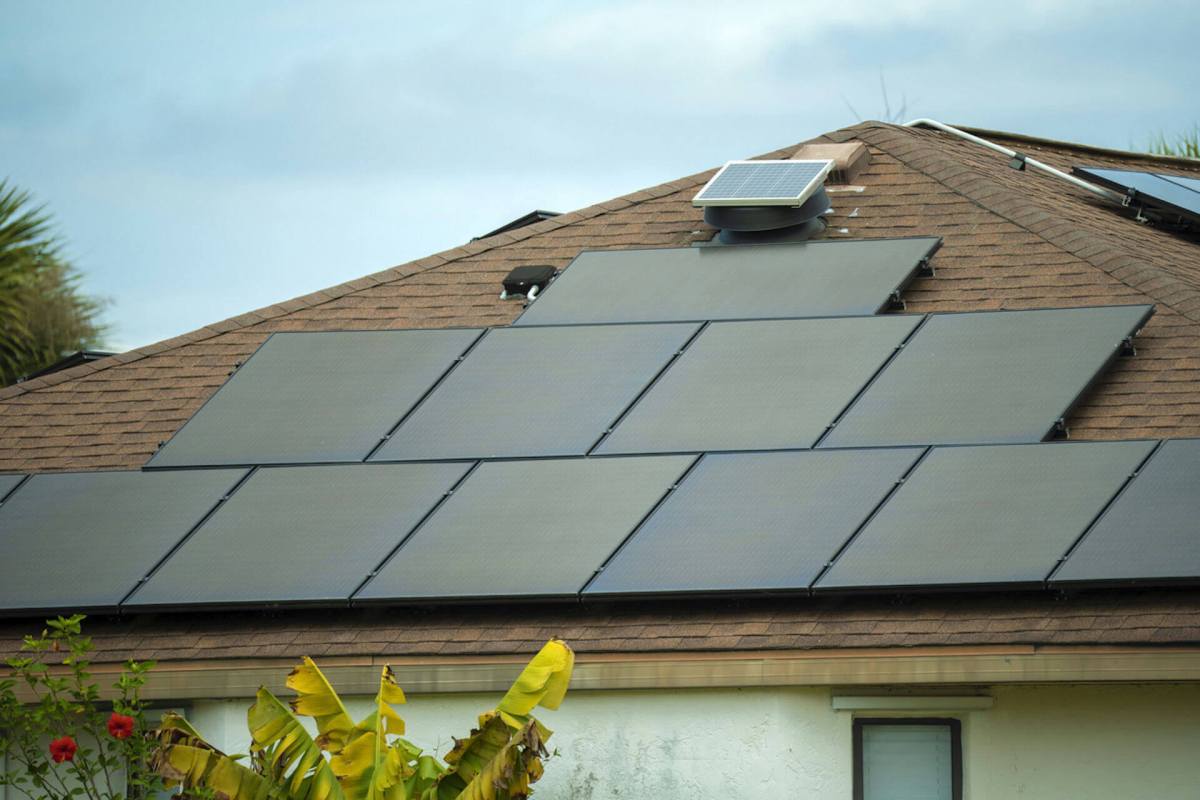
One California resident with rooftop solar and a home battery took to Reddit to share their energy-conserving approach. By running their air conditioning at a cooler temperature during times of maximum solar production and then increasing the temperature as production decreased, the original poster said they were able to make their battery last further into the night.
The post highlighted a practical example of how people in California are adjusting their daily routines to squeeze more savings from solar under the state's new compensation rules.
What's happening?
Posting to the r/solar subreddit, the California homeowner summarized their approach succinctly: "Made an effort to move as much as I can to peak producing hours."
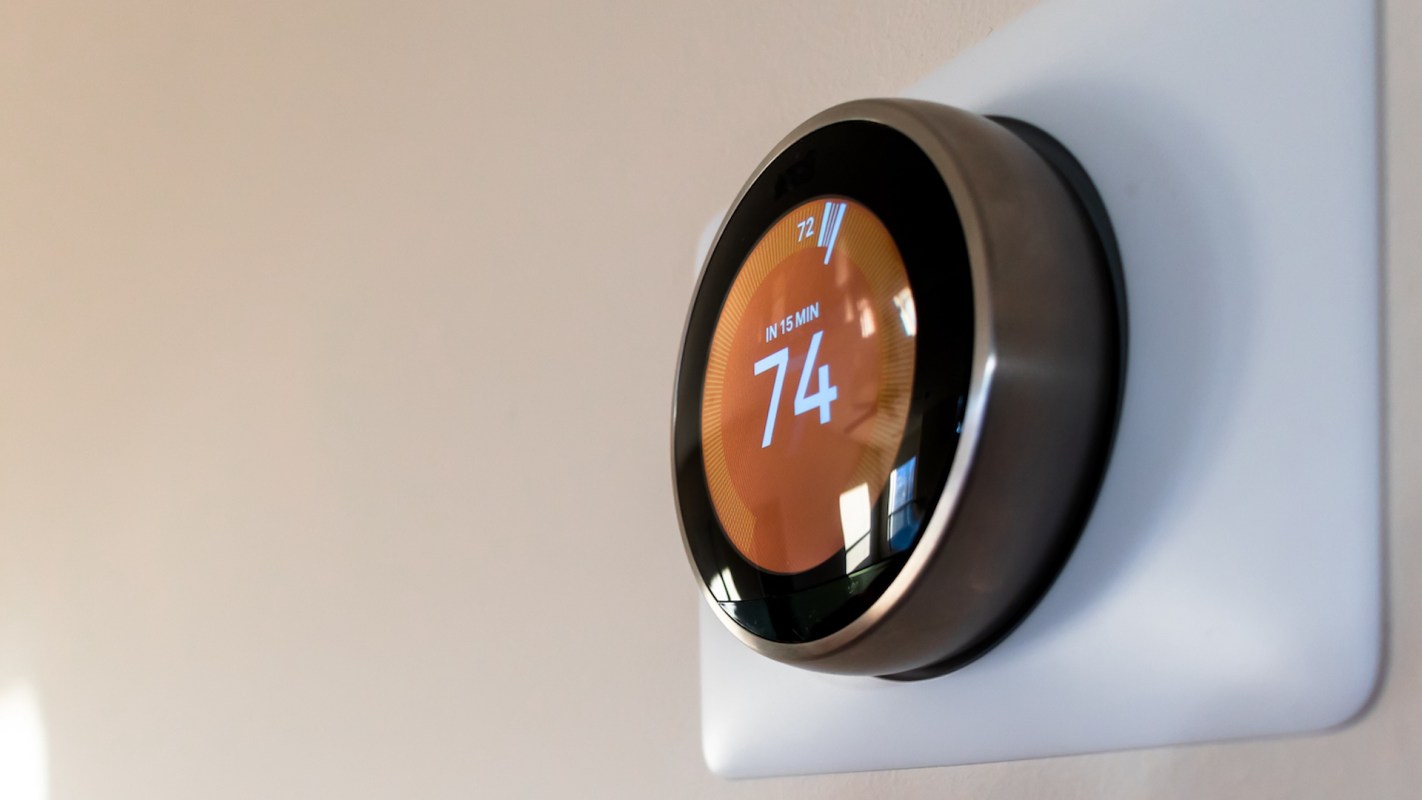
The homeowner said they realized that they were exporting too much energy back to the grid during times of peak solar production. To put more of that energy to use in their own home, the OP now boosts their air-conditioner use while their panels are generating the most electricity, setting the thermostat to 74 degrees Fahrenheit. Later, as production wanes for the day, the OP then adjusts their thermostat up to 78 degrees.
Near bedtime, the OP lowers the setting back to 76. If they turn the AC off before they fall asleep, the homeowner said that their home battery typically will make it to morning. If they leave the AC on while they sleep, the battery usually will run out of juice by around 3 a.m.
The post identified the OP's system as an Enphase setup in California under NEM 3 — the state's newer net-metering structure, which makes self-consuming solar energy and storing it for later use especially important.
As the OP demonstrates, going solar is one of the best ways to save money on home energy. If you're interested in going solar, EnergySage's free tools allow you to easily obtain quick solar installation estimates and compare quotes.
Save $10,000 on solar panels without even sharing your phone number Want to go solar but not sure who to trust? EnergySage has your back with free and transparent quotes from fully vetted providers that can help you save as much as $10k on installation. To get started, just answer a few questions about your home — no phone number required. Within a day or two, EnergySage will email you the best local options for your needs, and their expert advisers can help you compare quotes and pick a winner. |

Why does it matter?
Under California's NEM 3, the timing of when a home uses electricity can matter almost as much as how much solar it produces.
Households that shift cooling and other heavy energy use into sunny hours may be able to reduce how much expensive grid power they need after dark.
In this case, the home itself acts like a thermal battery. Running the AC harder while the sun is still powering the system can help keep the house comfortable later, when solar production drops and every bit of battery energy becomes more valuable.
That can translate into direct savings, especially during evening hours when utilities often charge more.
More From EnergySage
💡Go deep on the latest news and trends shaping the residential solar landscape


The homeowner's experience also reflects the tradeoff built into California's changing solar landscape.
"NEM 2 would have been a lot easier, but it is what it is," the OP said.
What can I do?
For homeowners with solar, tracking when a system produces the most electricity and comparing that to when the household uses the most electricity can help identify ways of minimizing costs.
Pre-cooling before sunset, doing laundry or running the dishwasher during daylight hours, and tracking overnight battery drain can all help stretch stored power and lower utility bills.
Adding battery storage to a solar setup is one of the best ways to protect your home during outages, save money on energy, and go off grid. It can also give you more flexibility to run appliances after sunset instead of buying power when rates are higher. Homeowners can explore EnergySage's free tools for information about home battery storage options, including competitive installation estimates.
EnergySage's free services can also make the process of going solar feel less overwhelming. For anyone comparing installers, equipment, and financing options, EnergySage can make it easier to build a system that fits both the home and the budget.
Readers can also use EnergySage's solar map to see the average cost of a home solar panel system state-by-state, along with details on solar panel incentives for each state. Together, these resources can help homeowners get the best price for rooftop solar panels and access available incentives.
As for the OP, they are pleased with their decision to upgrade their home with solar panels and a battery.
"Happy with things and wanted to share with people who might also appreciate it," they wrote.

Get TCD's free newsletters for easy tips, smart advice, and a chance to earn $5,000 toward home upgrades. To see more stories like this one, change your Google preferences here.






