


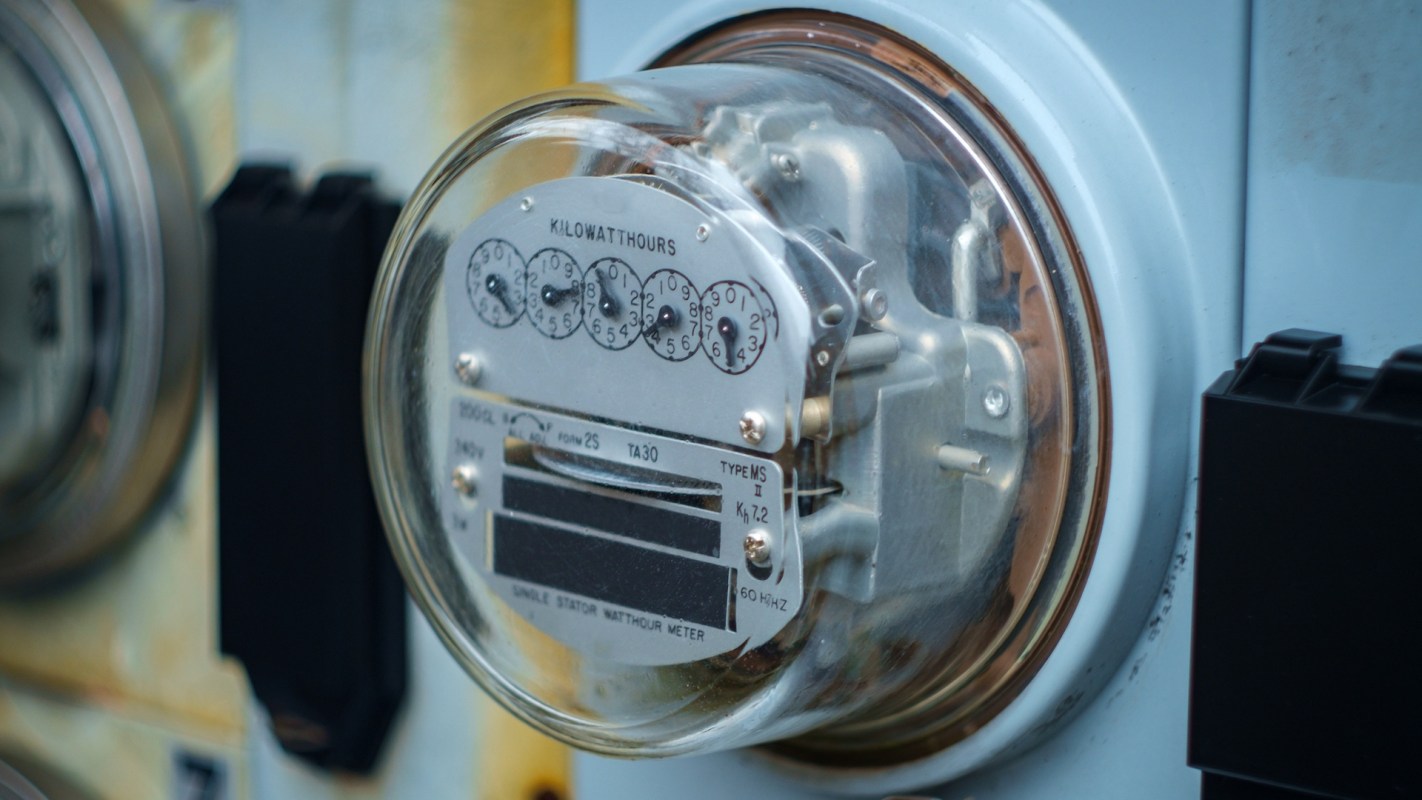
Residents in Tampa, Florida, called for reforms of local energy bills one year after temperatures in the region reached 100 degrees for the first time. In July, locals and community organizers gathered outside Tampa Electric's offices to protest rising utility bills.
For many households, the problem is significant. Staying cool is getting more expensive just as hotter days are putting more pressure on families to keep air conditioners running.
What happened?
According to WMNF, the protest was organized by Food and Water Watch and the Hillsborough Affordable Energy Coalition. It pushed for affordable energy reform after a report found that Tampa Electric customer bills rose 81% in the past five years.
The outlet reported that Isabella Moeller, Florida organizer for Food and Water Watch, said the increase added over $900 a year for customers and was more than triple the rate of inflation.
"Our investor-owned utilities such as Tampa Electric, Duke Energy, Florida Power and Light have been receiving massive rate increases year after year, all of which are rubber-stamped by our utility regulators, the Public Service Commission," Moeller told WMNF. "This has now caused Floridians to pay some of the highest electricity bills in the nation."
In response, TECO said that it was removing a storm recovery charge from July bills that would save customers about $20 per 1,000 kilowatt-hours. Advocates, however, said that change was minor next to what they described as historically high base rates.
TCD Picks » Quince Spotlight
💡These best-sellers from Quince deliver affordable, sustainable luxury for all




The groups said TECO was expected to seek another rate increase in 2027 and warned that customers of other utilities could also experience additional hikes.
Why does it matter?
When temperatures reach dangerous highs, air conditioning can be critical for older adults, children, and people with health conditions, meaning higher power bills can force families to choose between comfort, safety, and other necessities.
Even modest monthly increases can add up over the course of a year, and an extra $900 in annual costs can seriously strain budgets already stretched by housing, food, and insurance expenses.
Opponents to rate increases, WMNF reported, also pointed to what they said were irresponsible utility practices that protected corporate interests while shifting risk onto customers.
The result is that ordinary people are left to pay more while utility companies recover costs.

Get TCD's free newsletters for easy tips, smart advice, and a chance to earn $5,000 toward home upgrades. To see more stories like this one, change your Google preferences here.






