


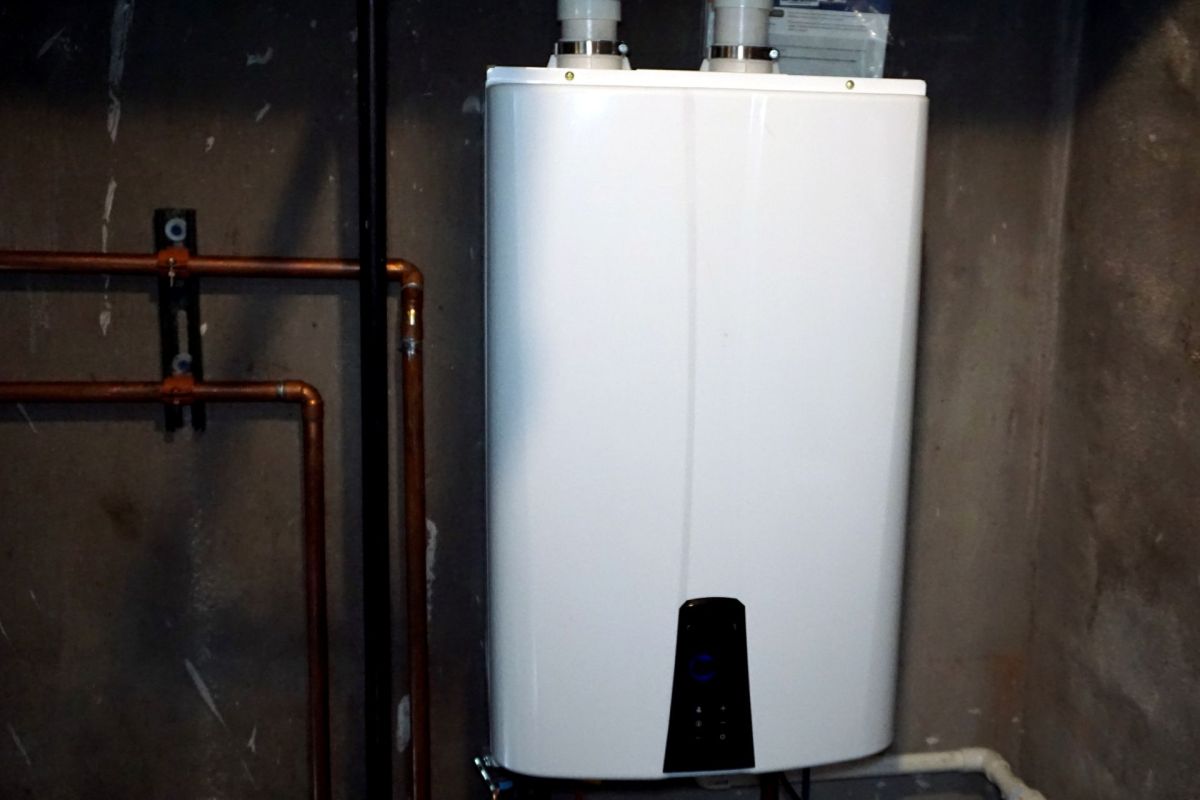
A broken dip tube inside an electric water heater left one homeowner weighing two options: replace the failing 40-gallon tank with the same setup or switch to a higher-wattage model that could heat water back up faster if the existing breaker can support it.
With higher water use expected in the coming years for the growing family, the decision had the potential to affect both comfort and monthly utility costs.
What happened?
The homeowner explained on Reddit that the problem first showed up as the family running out of hot water sooner than expected. After testing the heating elements, they said the issue appeared to come from the dip tube, which had broken inside the tank.
With the current water heater clearly in need of replacement, the homeowner wanted to know whether it was worth it to upgrade from a 3,000-watt electric tank to a 3,800-watt electric tank.
"Got 1 teenage girl, and soon a second teenaged girl and hot water will be in shorter supply as it already is," they shared. "The breaker feeding the current 3000 watt tank is 20 amps. Is that enough? Is it safe? Or should I just replace with the same 3000 watt 40 gallon model?"
A Reddit user recommended a different course of action, writing, "Switch to a heat pump water heater and save a ton of money."
Indeed, upgrading to a heat pump water heater can often save a household on energy bills because it is much more efficient than standard electric models.
Why does it matter?
When a water heater starts underperforming, many homeowners face a repair-or-replace decision. The first step is figuring out whether the tank itself is still worth saving.
Save $10,000 on solar panels without even sharing your phone number Want to go solar but not sure who to trust? EnergySage has your back with free and transparent quotes from fully vetted providers in your area. To get started, just answer a few questions about your home — no phone number required. Within a day or two, EnergySage will email you the best options for your needs, and their expert advisers can help you compare quotes and pick a winner. Solar panels can save you more than $50k over their 25-year lifespan, and EnergySage can help you save as much as $10k on installation. Which begs the question — isn't that worth an email or two? |

If the unit is otherwise in good shape, replacing the dip tube may restore performance at a lower cost than replacing the whole heater.
If replacement makes more sense, homeowners may want to look beyond wattage alone.
One option is Cala, which makes smart heat pump water heaters. Its customizable water heaters help homeowners decrease their energy bills by heating water exactly when it's needed.
That can be especially helpful for homes with predictable shower rushes, since the system can prepare hot water for those peaks instead of heating inefficiently around the clock.
If you are considering a higher-wattage water heater like the original poster, confirm circuit capacity and installation requirements with a licensed electrician or plumber.
For some families, though, a smart upgrade such as Cala could be a better long-term move than simply adding more wattage.

Get TCD's free newsletters for easy tips, smart advice, and a chance to earn $5,000 toward home upgrades. To see more stories like this one, change your Google preferences here.






