


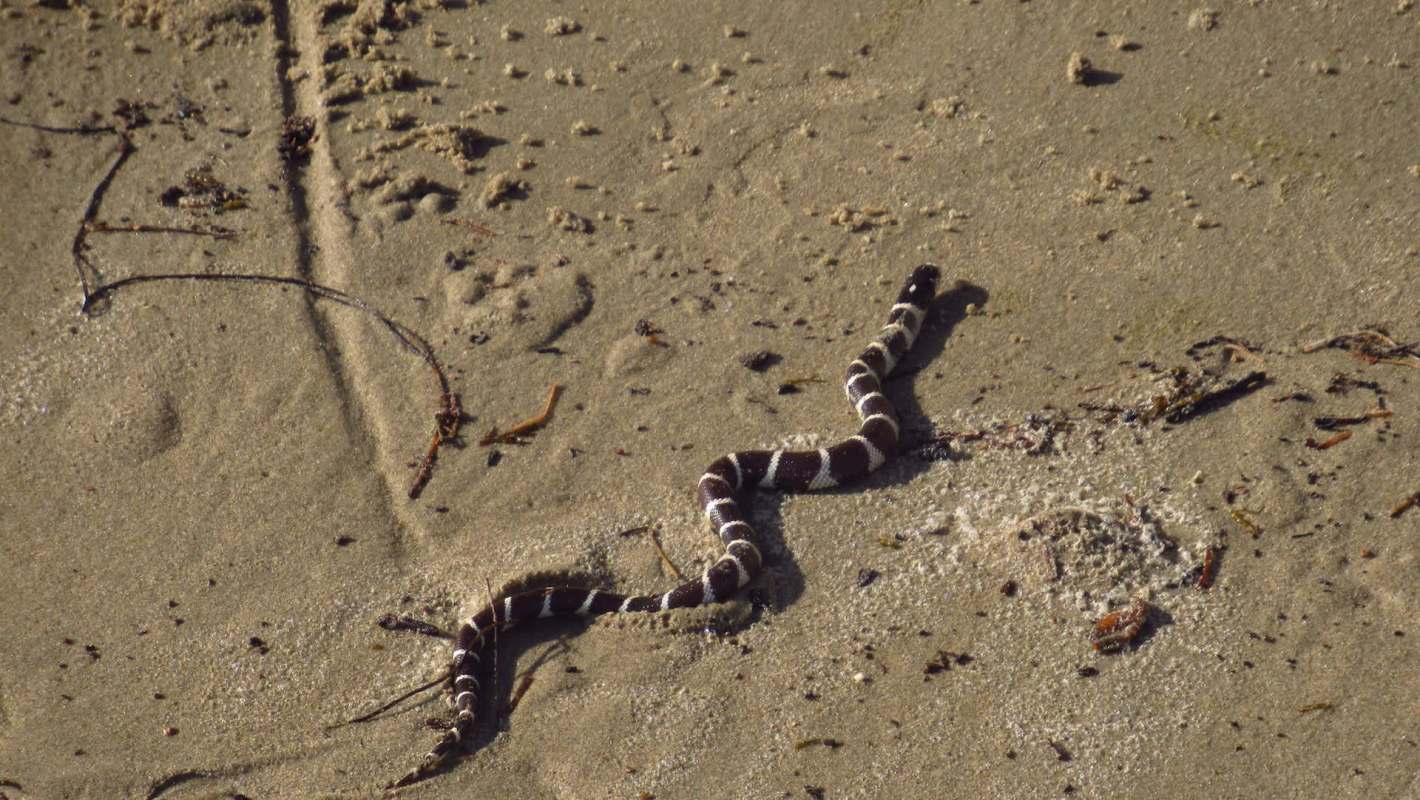
What was supposed to be a relaxing beach day in Hong Kong took a chaotic turn on June 21 when a snake estimated to be about two meters long slithered across the sand at Deep Water Bay Beach, startling swimmers and sunbathers before the animal slipped into the water and vanished.
What happened?
Eyewitness video cited by The Standard showed the reptile by a tree at the crowded Southern District beach. Once people noticed it, screams broke out and swimmers moved away from the shoreline.
According to The Standard, police were alerted by Leisure and Cultural Services Department staff after the snake was seen in a tree. Officers, firefighters, and lifeguards responded, and a snake handler was brought in, but the animal got away before it could be caught.
The Standard reported that the snake may have been disturbed while hiding in the tree, then crossed the beach and entered the sea until it was out of sight.
Why does it matter?
Even though no one was hurt, wildlife encounters can quickly become stressful for both people and the animal involved when humans share the same space that animals live in, raising the risk of injury or unpredictable behavior.
The encounter may also have been partly tied to human activity. When busy beaches, roads, buildings, and green pockets overlap with wildlife habitat, animals can be startled out of hiding and pushed into close contact with people. As this BBC report notes, many wildlife encounters are rooted in fear or stress rather than aggression.
TCD Picks » Quince Spotlight
💡These best-sellers from Quince deliver affordable, sustainable luxury for all




As cities continue to grow and people spend more time in coastal and outdoor spaces, these interactions may become more common, especially where habitats are shrinking or fragmented.
What can I do?
Beachgoers should keep a safe distance from wildlife. If you spot a snake or another wild animal near the shore, avoid crowding it, do not try to film it from close range, and alert lifeguards or local authorities right away. Staying back helps protect both people and animals.
Fast, coordinated responses like the one at Deep Water Bay can help prevent panic while giving the animal a chance to move away safely. Having trained handlers, clear public warnings, and staff who can cordon off an area can all help.
Reducing conflict also means designing cities and recreation areas with wildlife in mind. That can include preserving habitat corridors, protecting tree cover, and educating the public about how animals behave when startled. Small planning choices can make a big difference in keeping routine outings from turning into dangerous encounters.

Get TCD's free newsletters for easy tips, smart advice, and a chance to earn $5,000 toward home upgrades. To see more stories like this one, change your Google preferences here.







