


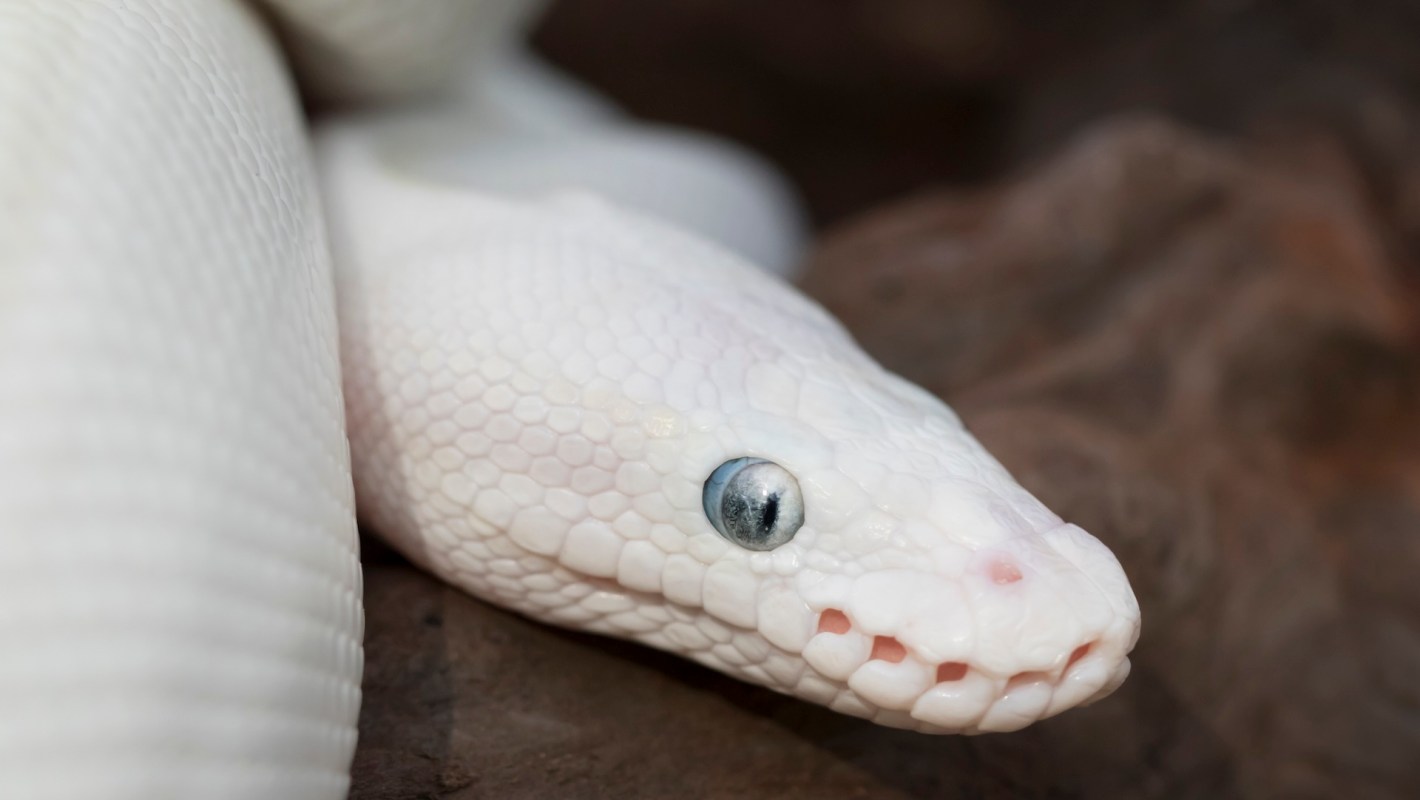
A large white snake seen near India's Teesta River attracted unusual attention, with specialists saying it may be an albino Indian rock python.
If that assessment is confirmed, the sighting could mark the first documented example of one in the wild in India.
According to ETV Bharat, the snake was seen in Likhuvir, near Kalimpong, along National Highway 10.
What happened?
Local residents spotted the pale-colored snake beside the Teesta River, and wildlife experts later identified it as a possible albino Indian rock python.
Pythons are commonly found in the Teesta basin, but an all-white individual in the wild is considered extraordinarily uncommon.
The report said that if the Forest Department verifies the animal's identity, it would become India's first recorded wild sighting of an albino Indian rock python.
TCD Picks » Quince Spotlight
💡These best-sellers from Quince deliver affordable, sustainable luxury for all




"Albinism is an extremely rare genetic condition that prevents the body from producing melanin pigment," herpetologist Shyamaprasad Pandey said, per ETV Bharat.
Indian rock pythons are among the largest snakes in India and can grow to around 20 feet long. They are non-venomous and kill prey through constriction.
Why does it matter?
In this case, the python was seen near a major roadway in a sensitive wildlife corridor linking hills and plains, where animal movement overlaps with traffic, development, and human travel.
As the BBC has reported, habitat pressure and expanding human activity can increase the chances that people cross paths with wild animals. Roads, settlements, and landscape disruption can make these interactions more common — and more dangerous for wildlife.
For an albino python, those risks may be even greater. Without the darker colors that help most pythons blend into their surroundings, this snake may be easier for both predators and people to spot.
The species also carries legal importance. The Indian rock python received Schedule I protection under India's Wildlife Protection Act 1972, placing it among the country's most protected animals.
What's being done?
Wildlife conservationists called on the Forest Department to intervene, closely monitor the area, and assess the snake's physical condition.
A rare animal that draws cameras, vehicles, and crowds can quickly face added stress, particularly in a roadside habitat.
If the sighting is confirmed, it would provide an important data point for conservationists tracking how rare species and genetic variations persist in increasingly human-shaped environments.
"This white colouration makes survival in the wild incredibly difficult," Pandey said. "Lacking natural camouflage, they cannot blend into their surroundings to hide, leaving them highly vulnerable to detection by predators or humans."

Get TCD's free newsletters for easy tips, smart advice, and a chance to earn $5,000 toward home upgrades. To see more stories like this one, change your Google preferences here.







