


Summer electric costs are back in focus as California faces another burst of triple-digit heat, per the Fresno Bee. With homes getting harder to keep comfortable, many air conditioners are staying on longer, leaving households bracing for painful summer power bills.
Now, KBAK is highlighting one inexpensive solution: sealing the narrow gaps around windows and doors where cooled air slips out. The materials needed for the fix can easily cost under $20.
What's happening?
As temperatures rise in Bakersfield, Floyd's General Store told KBAK that shoppers are turning to low-cost supplies that can help keep the cool air they are already paying for inside their homes.
Robert Gingras, the store's general manager, explained to the outlet that Floyd's carries foam sealing strips for the edges of windows to help cut down on drafts and leaks. Many of those products are made for DIY installation and come with adhesive backing.
The store also offers door sweeps, which attach to the bottom of a door to block the gap underneath. At Floyd's, those kinds of items are priced at about $16 or less, making them a much cheaper first step than replacing windows or taking on a larger home upgrade.
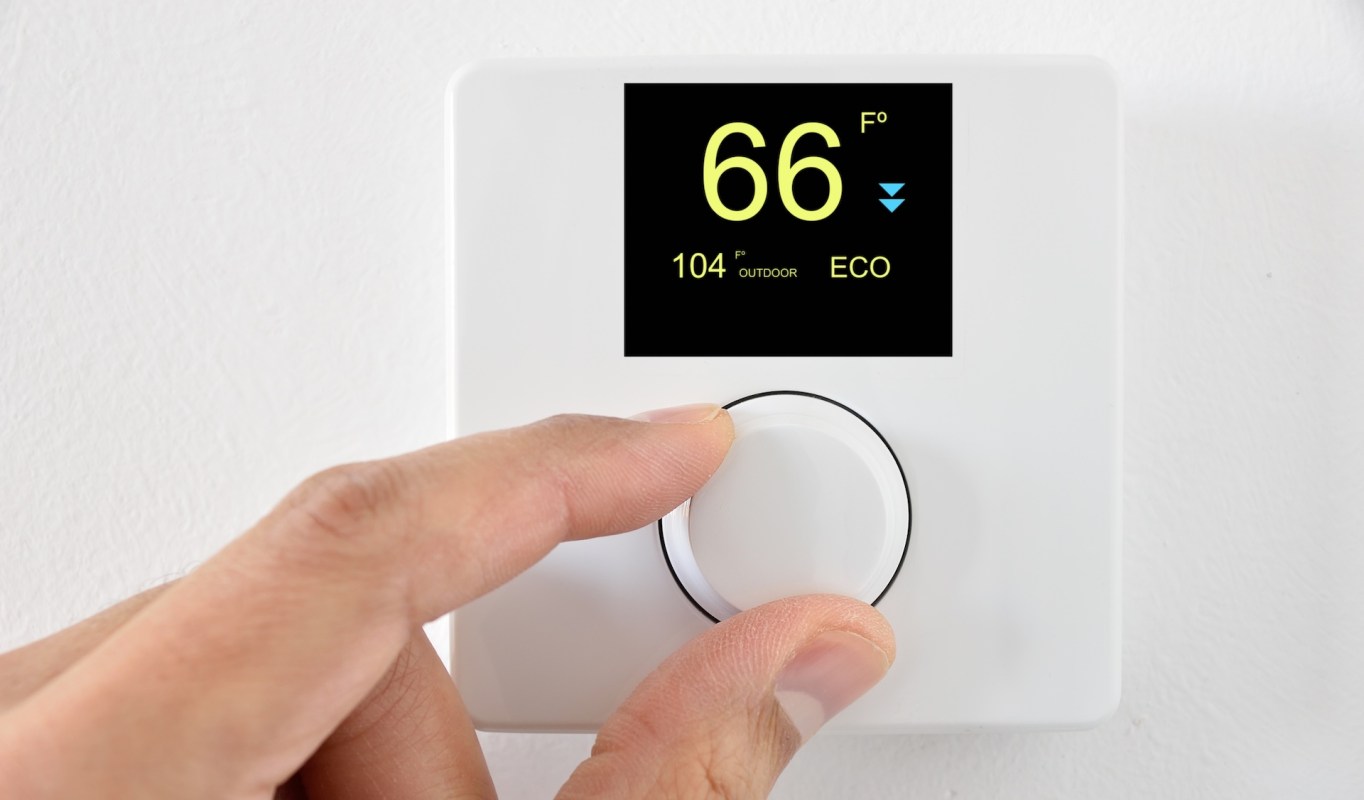
PG&E spokesperson Paul Moreno told KBAK that savings can also depend on thermostat use. He advised customers to keep the AC at their intended setting rather than turning it down in hopes of cooling the house faster, and he recommended moving chores like dishwashing, laundry, and vacuuming outside the 4 pm to 9 pm peak-demand period.
TCD Picks » Quince Spotlight
💡These best-sellers from Quince deliver affordable, sustainable luxury for all




Utilities and government officials often advise setting the thermostat to 78 degrees, per Yahoo News, although many Americans prefer it far cooler.
Why does it matter?
When cold air escapes, an air conditioner has to run longer to keep up. That extra runtime can show up directly on a utility bill, especially during heat waves, when cooling is less optional and more of a health necessity.
Even if sealing drafts trims only a modest amount of AC use, the upfront cost is low enough that families may be able to recoup it quickly if their summer bills drop by more than the price of the materials.
Lowering the thermostat far below a target temperature can feel proactive, but if the system only runs at one speed, that habit does not speed up cooling; it just risks wasting electricity.
Higher power demand during extreme heat puts more strain on the grid, and wasted energy means more pollution tied to producing electricity. Cutting those avoidable cooling losses can reduce both household energy use and overall demand at the same time.

Get TCD's free newsletters for easy tips, smart advice, and a chance to earn $5,000 toward home upgrades. To see more stories like this one, change your Google preferences here.






