


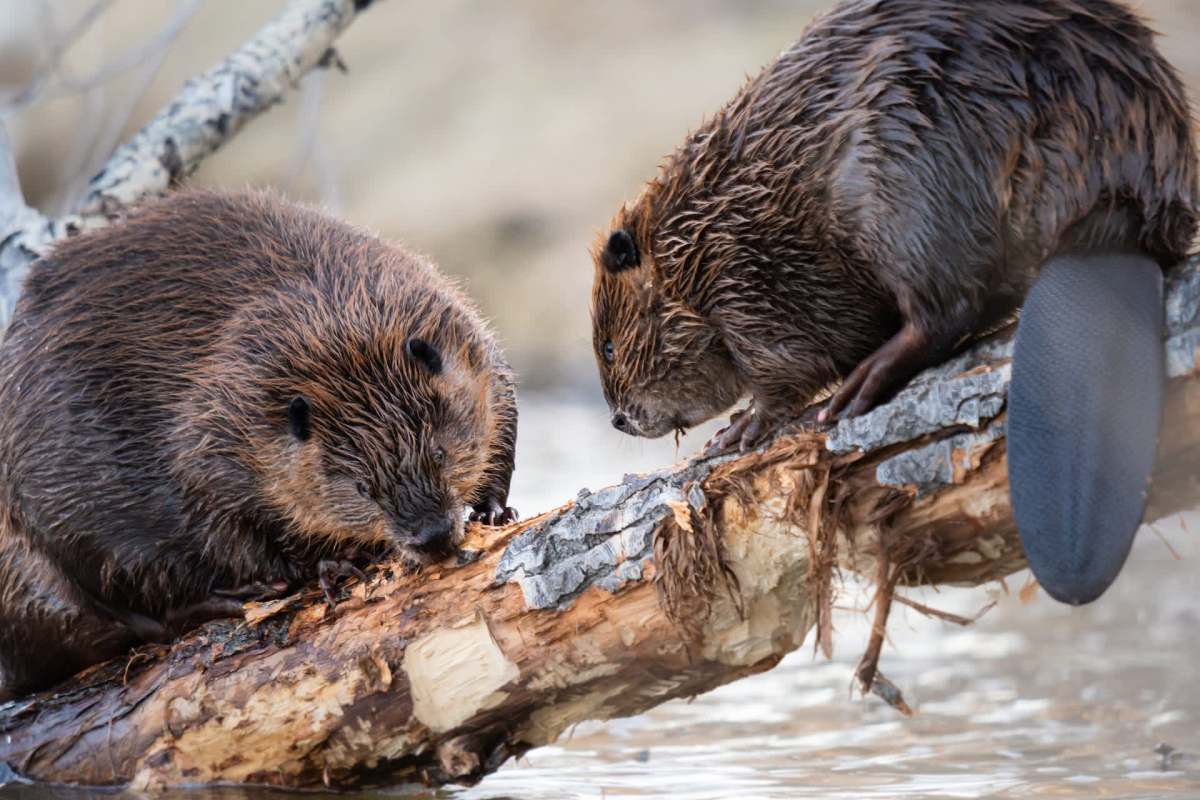
Instead of crews and machinery, a pair of beavers in northern England has been doing notable flood-control work — and their defenses keep holding up.
In the North York Moors, the animals built their own dams, outperformed 130 engineered structures, and helped restore the habitat around them.
What's happening?
The BBC reported that in a 2019 study, the University of Leeds and Forestry England released two Eurasian beavers into an enclosure in Cropton Forest.
Cropton Forest was already being used to test flood-prevention strategies. Because runoff had long put the nearby town of Pickering at risk, engineers spent about 10 years building 130 dams there for protection.
Those barriers reduced flooding, but they did not last well and had to be replaced regularly as they wore down.
The beavers went on to create six new dams, choosing sites based on stream width, elevation, and nearby available materials. One of those dams is reportedly the largest in the United Kingdom.
TCD Picks » Quince Spotlight
💡These best-sellers from Quince deliver affordable, sustainable luxury for all




Compared with the man-made barriers, the beavers' dams have lasted longer and needed less upkeep. Because the animals continually rebuild and reinforce what they make, the structures sustain themselves in a way rotting wooden barriers cannot.
Why does it matter?
Flooding is becoming a growing concern for many communities, and conventional defenses can be expensive to install and maintain.
Beaver dams slow water naturally, reducing the force of runoff before it reaches downstream towns and roads. That kind of protection can bring real benefits for people, including less flood damage, fewer infrastructure repairs, and lower costs for local governments.
The dams also created wetter, more diverse habitat that boosted populations of plants and wildlife such as herons, otters, badgers, amphibians, dragonflies, and bats. Bats had gone unrecorded there for 30 years.
Eurasian beavers are especially well suited to British wetlands because they build wider, more durable dams and are adapted to clay and peat soils. As Upworthy noted, similar restoration success with North American beavers has been seen in places such as California and Utah.
What's being done?
The Cropton Forest project is helping researchers and land managers study whether beavers can serve as part of flood-control systems.
That gives officials something else to evaluate alongside concrete, timber, and repeated maintenance. In some cases, wildlife can help repair water systems that humans have damaged over centuries.
The original pair produced 11 babies, increasing the local population and creating opportunities for future habitat restoration elsewhere. As those young animals mature, they can be relocated to other areas that could benefit from natural flood management.
As Cath Bashford, a species recovery officer for Forestry England in Yorkshire, put it to the BBC: "The site was transformed by the beavers in ways we never imagined."

Get TCD's free newsletters for easy tips, smart advice, and a chance to earn $5,000 toward home upgrades. To see more stories like this one, change your Google preferences here.







