


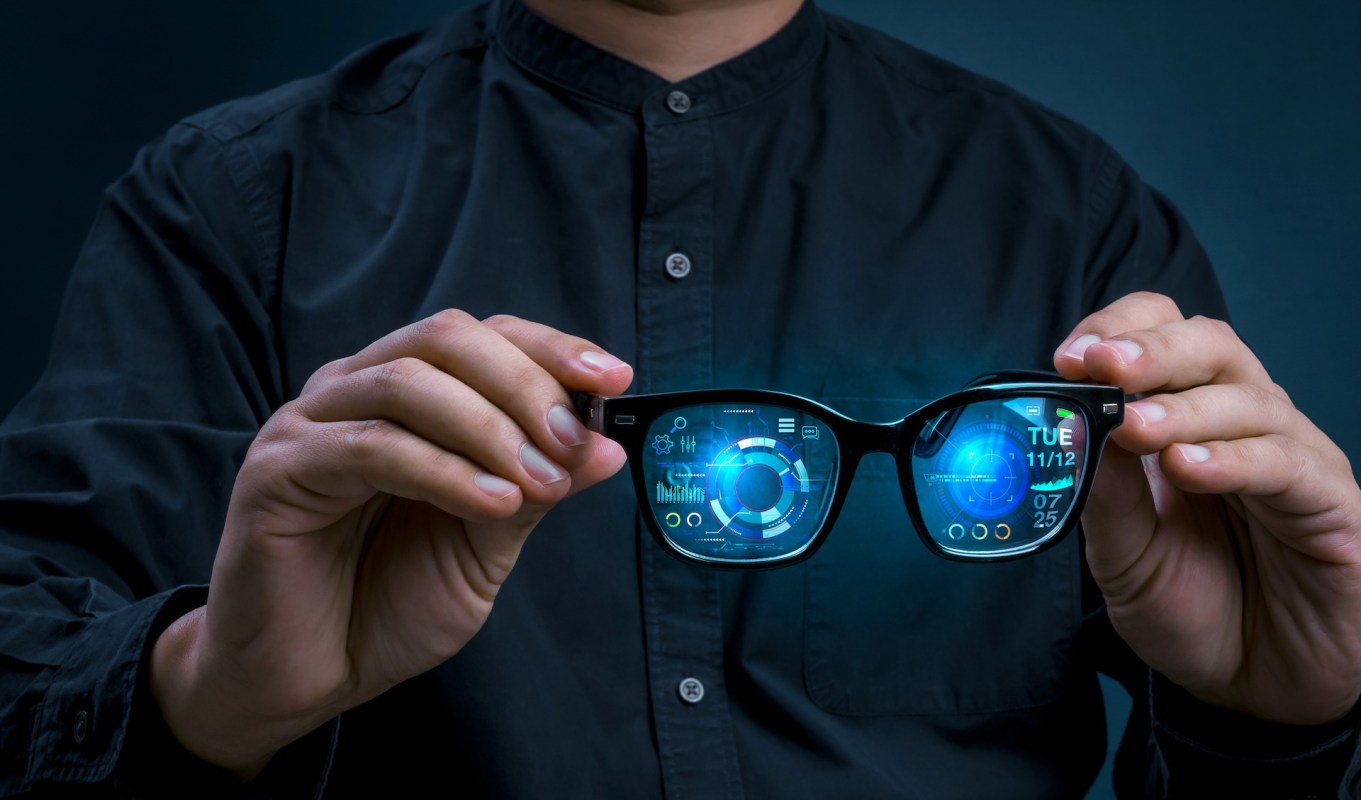
Smart glasses are beginning to look less like one emerging category and more like a collection of very different products competing for the same hype.
What's happening?
That tension is at the center of a discussion in Reddit's r/Futurology, where the original poster questioned whether the market is addressing real needs or mostly rebranding older functions in pricier, more distracting forms.
After trying Dymesty, an audio-only pair of glasses, the original poster said they were interested in the concept but still unsure what problem it was really solving.
"Simple, lightweight, no camera, no display, just audio," they wrote. "Feels less intrusive than everything else out there, but it also made me wonder if I'm missing the point entirely."
They contrasted that experience with other products in the space, describing XREAL and RayNeo as display-centered devices while warning that "Meta has cameras and AI watching everything."
What stood out to them was how products with very different privacy, usefulness, and convenience tradeoffs are still being lumped together under one label.
TCD Picks » Quince Spotlight
💡These best-sellers from Quince deliver affordable, sustainable luxury for all




One response said, "Headphones. You just invented headphones."
Others were more measured, noting that some glasses-based features could still be useful, especially for navigation or hands-free information.
Why does it matter?
Each new gadget asks consumers to spend more money, change their habits, and accept new compromises around data collection, attention, and eventual waste.
When all of those differences get flattened into the catchall term "smart glasses," it becomes harder to evaluate what a specific device is actually asking people to buy into.
The original poster wrote, "These aren't the same category of product. They just all happen to sit on your face."
The thread reflected a broader backlash to gadget hype, particularly when a product appears to duplicate what a phone, laptop, or existing headphones already do well.
Not everyone sees the category as pointless.
One commenter argued, "Yeah the ability to have a GPS overlay would be fantastic."
The discussion also showed how divided the market is: some people want augmented displays, some want open-ear audio, and some want as little surveillance as possible.
What can I do?
Ignoring the marketing umbrella and focusing on the exact function a device offers came up repeatedly in the discussion.
One takeaway from the thread was to compare these products by what they actually do: audio-first glasses against open-ear headphones, and camera- or AI-based models with more scrutiny around privacy tradeoffs.
The category still seems unsettled. A device that tries to be glasses, headphones, a screen, and an assistant all at once may not do any one job especially well.
Short-lived tech can end up unused in a drawer, adding cost and clutter.
The clearest use cases mentioned in the thread were navigation, accessibility, and hands-free calls, rather than devices that simply promise a futuristic identity.

Get TCD's free newsletters for easy tips, smart advice, and a chance to earn $5,000 toward home upgrades. To see more stories like this one, change your Google preferences here.







