


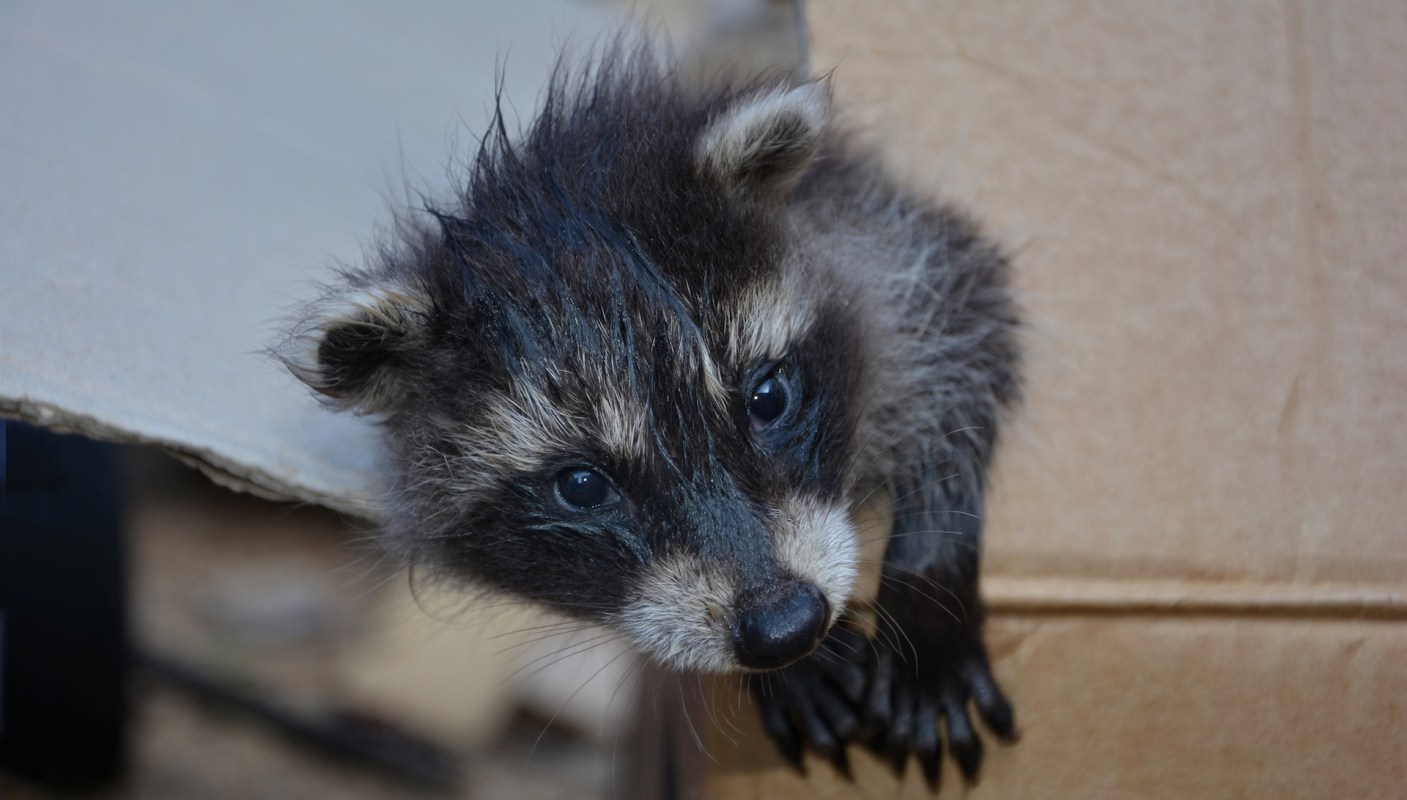
A baby raccoon in Massachusetts arrived at a wildlife rehab center desperately needing a bath after rescuers found the animal coated in chimney soot.
The New England Wildlife Center later shared images of the adorable kit and showed the small raccoon during and after its wash.
What happened?
Wild Care Cape Cod brought the young raccoon to the New England Wildlife Center in Weymouth after it was discovered inside a chimney.
The wildlife center shared on Facebook and Instagram that the animal arrived "covered head to toe in soot and debris."
"We don't often bathe raccoons, but in this case there was so much soot packed into the fur around his face and body that it was beginning to irritate his skin and eyes," the Center added.
"He tolerated the bath very well (all things considered) and is now bright and alert with a great appetite."
TCD Picks » Quince Spotlight
💡These best-sellers from Quince deliver affordable, sustainable luxury for all




After cleaning the animal up, the team said it also gave the raccoon a veterinary check and began follow-up treatment.
The kit is now "joining a group of similarly sized foster siblings where he can continue growing up with other young raccoons and learn the skills he'll need for life back in the wild."
Why does it matter?
The rescue reflects a common issue between homes and wildlife. Chimneys can seem like safe denning spots for raccoons, especially for mothers looking for protected places to raise their young.
But in some cases, their babies can end up trapped, separated, or exposed to debris and other unsafe conditions.
If you ever find a young raccoon or another wild animal that appears stranded, injured, or orphaned, contact a local wildlife center instead of trying to handle the situation yourself.
The New England Wildlife Center echoed this warning against directly handling raccoons or their waste because of parasite and disease concerns, and it also recommended capping chimneys to prevent denning.
For this little one, quick intervention likely kept the skin and eye irritation from worsening and improved its chances of returning to the wild in good health.

Get TCD's free newsletters for easy tips, smart advice, and a chance to earn $5,000 toward home upgrades. To see more stories like this one, change your Google preferences here.







