


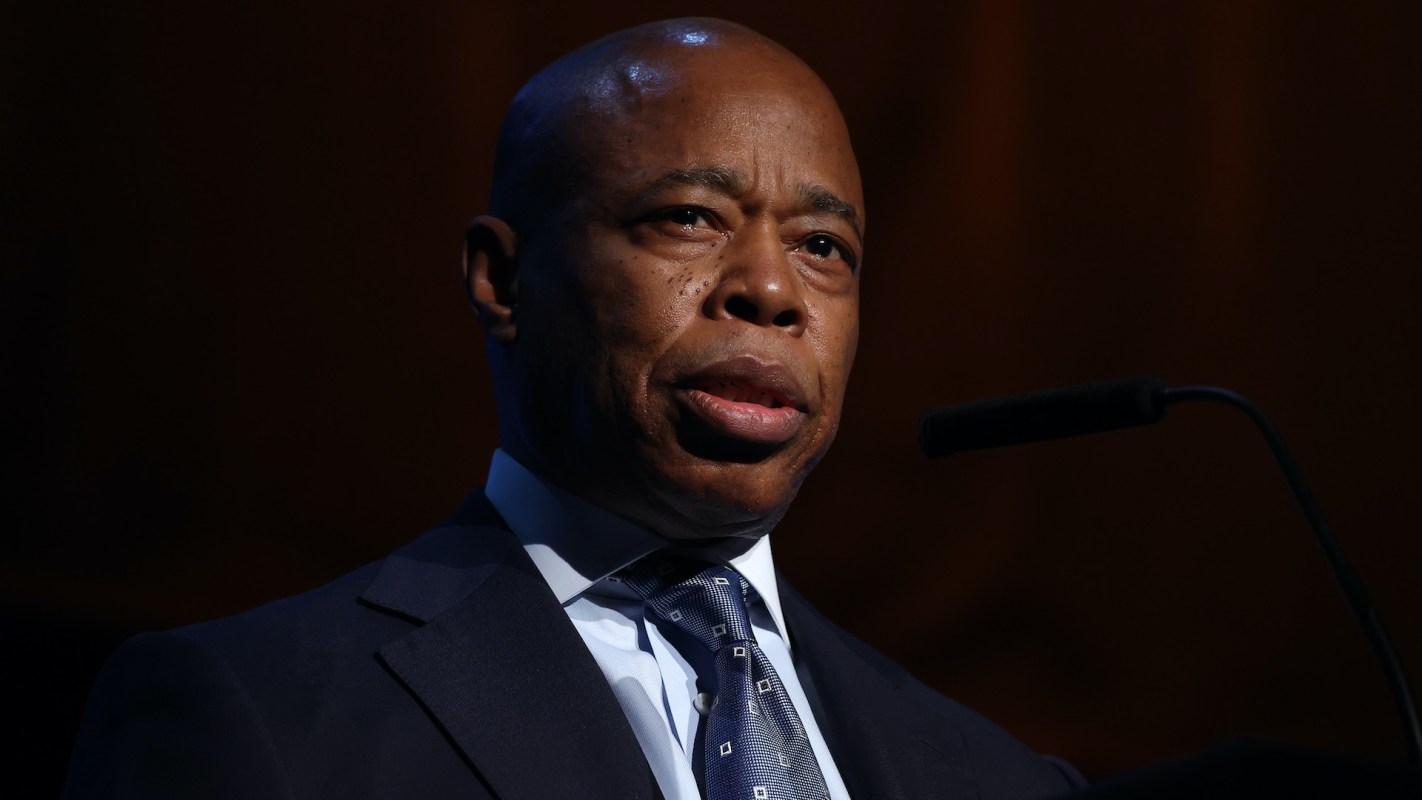
Residents in Wisconsin Rapids turned out in force for a tense August 1 forum on a proposed data center, directing questions to the developers about water demand, heat, noise, jobs, and the fact that no future tenant has been identified.
Another 50-plus people demonstrated outside with protest signs.
What happened?
Attendance exceeded the original setup at McMillan Memorial Library, so organizers shifted the August 1 event to the library's 248-seat Fine Arts Center, which also filled, according to the Wisconsin Rapids Tribune.
During the meeting, the crowd booed, chanted, and lobbed tough questions at PNK Group chief development officer Anton Voronkin and former New York City Mayor Eric Adams, who said he had been hired to help handle community discussions.
Adams defended his involvement, saying, "I realized that we are going to have data centers in our country, so why can't we have it that's not harmful to our environment, why can't we have it that's not going to be destructive."
A central question from residents was whether PNK had ever developed a comparable project. Voronkin answered, "No."
TCD Picks » Quince Spotlight
💡These best-sellers from Quince deliver affordable, sustainable luxury for all




Voronkin also told attendees the proposed operation would not involve cryptocurrency mining. "It's either the Cloud services or AI or a combination of it."
Why does it matter?
Projects like this can add jobs and tax revenue, yet they often bring local worries about how heavily they will draw on resources and what they will mean for everyday life.
At this meeting, residents zeroed in on the Wisconsin River, private wells, sewer capacity, emissions from diesel generators, noise, and possible effects on electric bills.
AI software can help utilities predict demand, limit waste, and make it easier to incorporate renewable power. But the data centers behind AI and cloud computing may also require huge amounts of electricity and water, produce heat, and strain infrastructure when projects are not planned and regulated carefully.
Voronkin said the development would bring 50 to 150 permanent jobs, but he did not say what kinds of positions those would be or what they would pay when residents asked.
People also pressed whether the project's economic upside would outweigh environmental and utility risks.
One man in the audience summed up that concern by saying, "We aren't afraid of technology. We just love our community."
What's being done?
PNK Group said it intends to keep talking with residents.
Voronkin told the audience the company would return for more meetings and provide answers to questions he could not fully resolve during the two-hour event.
Addressing water use, Voronkin said the project would neither pull water from nor release water into the Wisconsin River.
He added that the proposal uses a closed-loop cooling system, said the company is "applying for 10,000 gallons per day," and promised additional configuration details.
He further said PNK would not seek a tax increment financing district or other incentives for the project. But he said he could not guarantee that a future tenant would refrain from pursuing them.
He also said the company would respond to any unexpected well problems if they arose.

Get TCD's free newsletters for easy tips, smart advice, and a chance to earn $5,000 toward home upgrades. To see more stories like this one, change your Google preferences here.






