


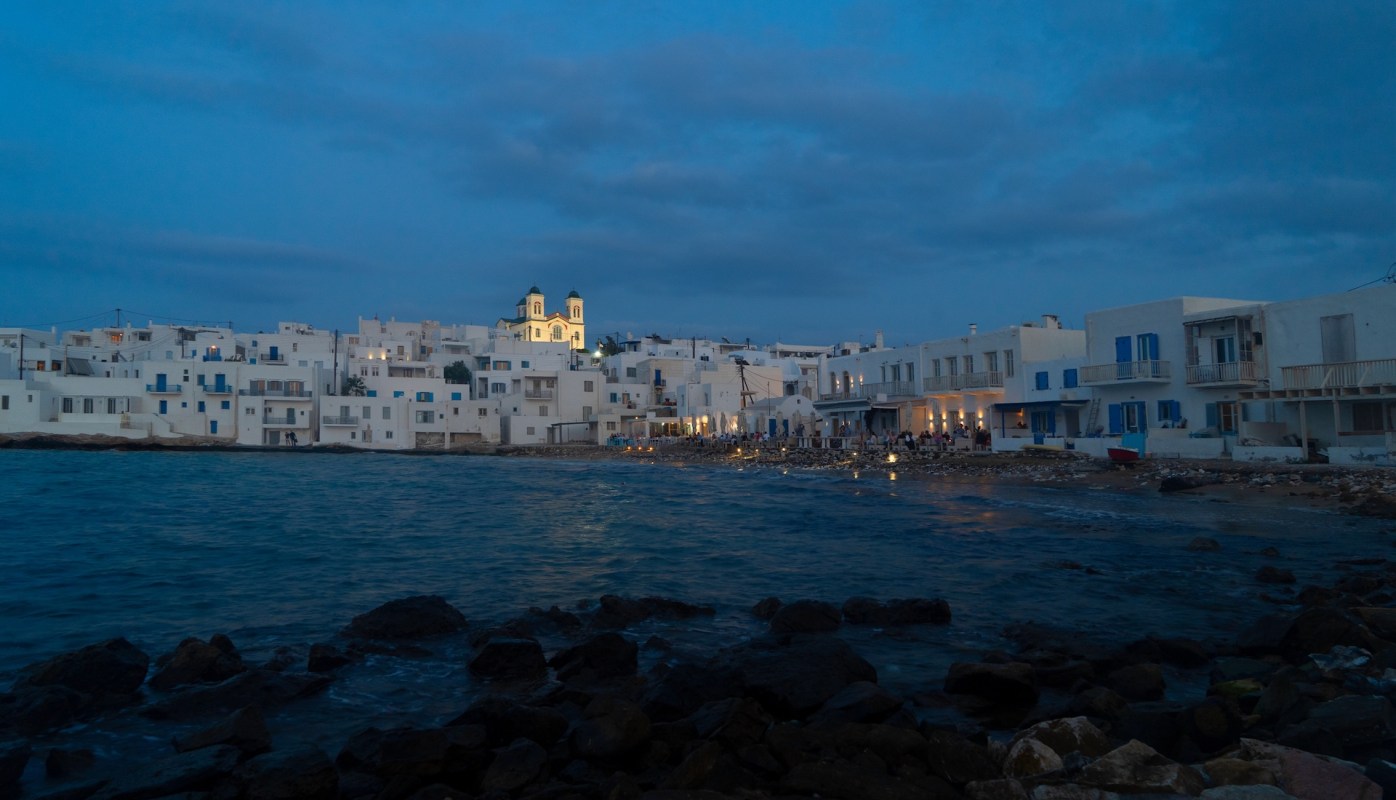
A new five-star hotel near Marcello Beach on the Greek island of Paros is facing sharp backlash for one especially glaring reason: it includes 46 private pools.
Many residents see the resort as a broader warning sign for the island, where tourism development has accelerated faster than water availability and core infrastructure.
What's happening?
At the center of the dispute is a newly built resort in Paroikia that, according to Nomad Lawyer, also has two communal pools — one spanning nearly 700 square meters (7,535 square feet) and another about 57 square meters (614 square feet). On a dry Cycladic island, that amount of pool space has fueled worries about water consumption, sewage capacity, and added traffic along the coast.
The scale of tourism pressure is evident in the numbers. Port passenger movements reached about 789,000 in 2025, up 8.6% from roughly 726,000 in 2024, while Paros National Airport handled close to 181,000 arrivals. Altogether, air and sea arrivals in 2025 came in just under 970,000.
The hotel boom has picked up quickly as well. By late 2025, Paros counted 141 hotels and 3,820 rooms, with 15 five-star properties totaling 730 rooms. In 2019, the island had just six five-star hotels with 360 rooms.
Why does it matter?
A resort with this many private pools can add to peak-season strain in a place already under pressure, leaving residents to contend with tighter water supplies, heavier sewage demand, and busier roads near popular beaches.
TCD Picks » Quince Spotlight
💡These best-sellers from Quince deliver affordable, sustainable luxury for all




During the busiest parts of the season, crowding at the airport and ferry terminal — combined with traffic on the narrow roads around Marcello Beach — affects daily life for both workers and visitors, Nomad Lawyer reported.
If high-end development continues to outpace basic infrastructure, the island could lose both environmental resilience and the sense of place that makes Cycladic communities distinctive.
What's being done?
Industry analysts believe that future resort approvals on Paros should face stricter environmental standards, especially when they include major water-intensive features, according to Nomad Lawyer. Public investment must keep pace with tourism growth, including upgrades to municipal water systems, sewage plants, and port infrastructure.
EU261 may protect passengers flying to Paros from EU hubs when airline-caused disruptions lead to a cancellation or a delay exceeding three hours, with compensation reaching as high as €600 (about $692) in some cases.
Ferry passengers may have protections as well. Ferry operators on the Piraeus-to-Paros route must provide meals, refreshments, and rebooking when operational problems cause a cancellation or a delay beyond 90 minutes, and an overnight disruption can require hotel coverage of up to €120 (around $138) per night. Because transport disruptions do not automatically mean hotel refunds, travel insurance can provide another layer of protection.
Tourism growth without resource planning can leave local communities paying the price.

Get TCD's free newsletters for easy tips, smart advice, and a chance to earn $5,000 toward home upgrades. To see more stories like this one, change your Google preferences here.






