


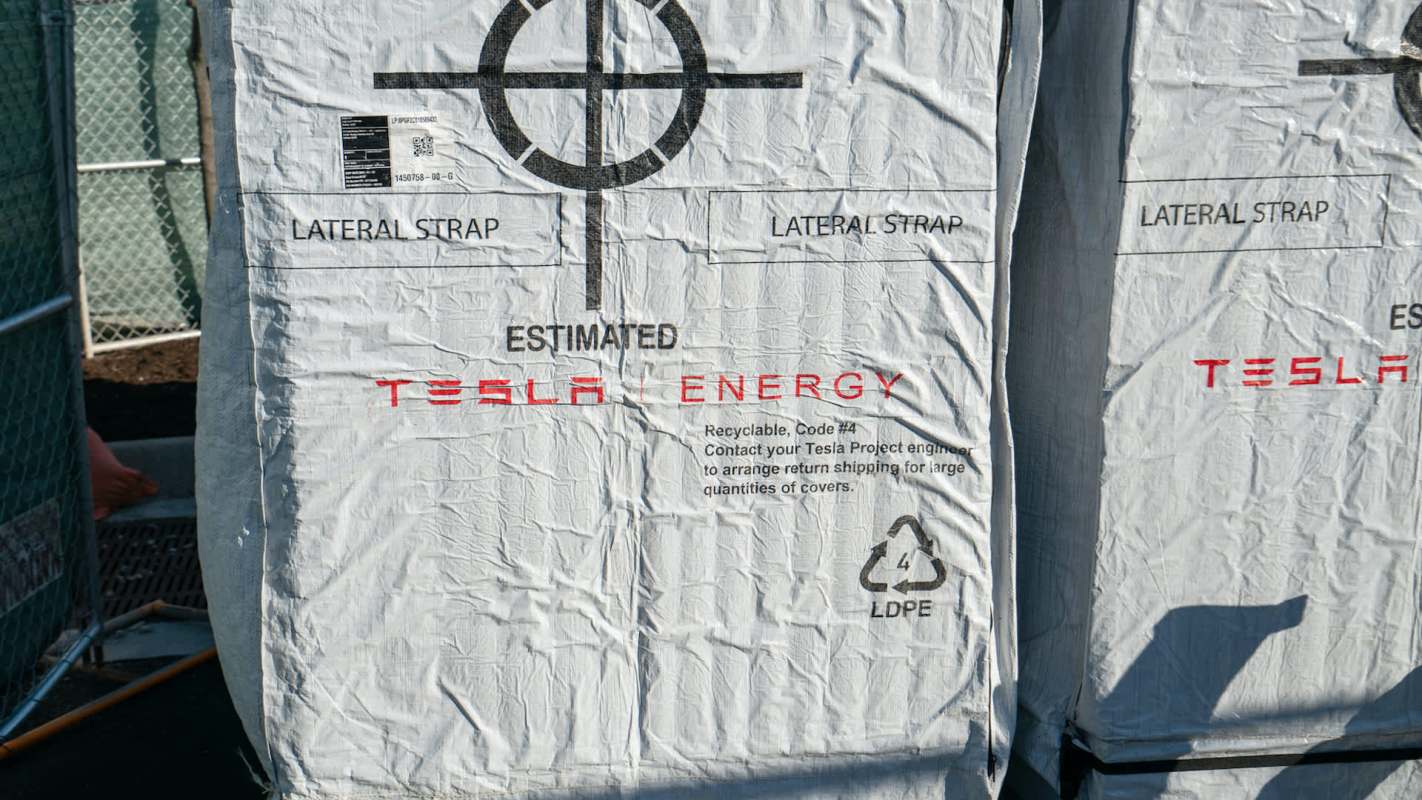
Getting Tesla to sign off on a fully covered Powerwall warranty replacement did not end one U.K. homeowner's problems.
After the approval came through, they said the installer connected to the system stopped answering both them and Tesla.
What happened?
Writing on Reddit, the Oxfordshire resident said Tesla had authorized an RMA under warranty and planned to move the setup to two Powerwall 3 units.
The issue, they said, was that "my original installer has completely ghosted me and isn't responding to Tesla or myself anymore."
Replies suggested the situation was not an isolated one.
Another commenter described a nearly identical problem, writing: "I'm in the same position as the OP. Tesla have remotely disabled one of my PWs, won't engage with the replacement directly, original installer no longer working on residential systems, other installers won't touch the warranty work as Tesla won't cover the full cost."
For anyone researching backup power before they buy, exploring EnergySage's free tools can help you find information about home battery storage options.
Why does it matter?
Adding battery storage is one of the most effective ways to protect a home during outages. It can also cut energy costs by storing electricity for later use and make it easier for households to go off-grid — or at least rely less on an increasingly strained grid.
Save $10,000 on solar panels without even sharing your phone number Want to go solar but not sure who to trust? EnergySage has your back with free and transparent quotes from fully vetted providers in your area. To get started, just answer a few questions about your home — no phone number required. Within a day or two, EnergySage will email you the best options for your needs, and their expert advisers can help you compare quotes and pick a winner. Solar panels can save you more than $50k over their 25-year lifespan, and EnergySage can help you save as much as $10k on installation. Which begs the question — isn't that worth an email or two? |

An approved warranty replacement should bring relief, not send households scrambling to find a company willing to do the work. When installer support breaks down, families can be left with disabled equipment and little sense of what happens next.
Money was another recurring theme in the discussion.
One user said an installer had told them Tesla "pay quite well for warranty work," while another described getting rewiring and a DNO application done for "an extra £150 (~$202 USD)."
The original poster also said that when they had previously priced a second unit, they found a better offer of "around £5,400 (~$7,259 USD)" after rejecting a much higher quote.
What can I do?
If you are considering a battery system, ask detailed questions before signing a contract.
Find out who handles warranty claims, whether another certified installer can step in if the original company closes or stops responding, and whether that policy is in writing.
Compare equipment and installation partners carefully instead of focusing only on the sticker price.
A cheaper bid may not feel like a bargain if service becomes difficult later, while a stronger installer network can make ownership much easier over time.
Another option to consider is Pila. Battery storage remains one of the smartest home energy upgrades for many households because it can keep essentials running, cut energy costs, and increase independence from the grid.

Get TCD's free newsletters for easy tips, smart advice, and a chance to earn $5,000 toward home upgrades. To see more stories like this one, change your Google preferences here.






