


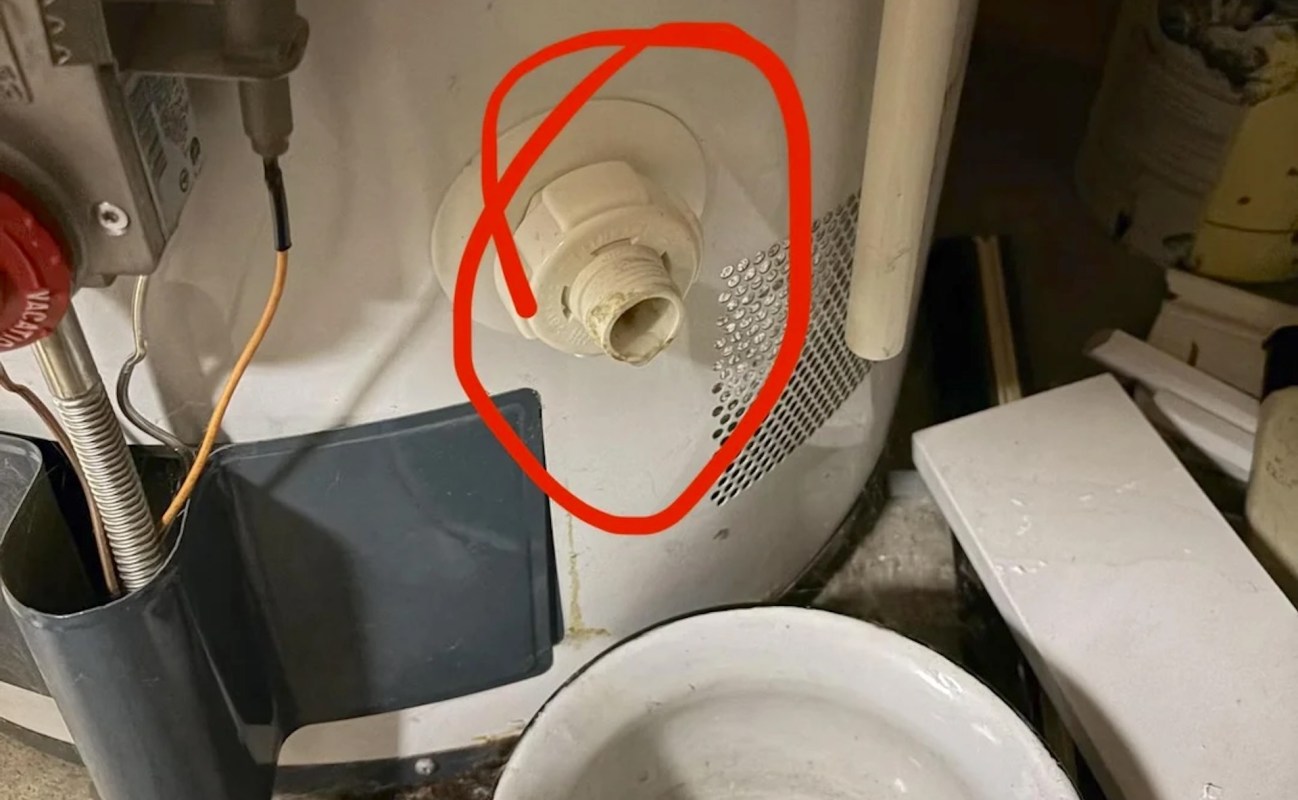
A tiny drip from a water heater can look harmless, especially if it takes two weeks to fill a half-gallon container, like this Reddit user experienced.
But when that leak is coming from the temperature and pressure relief valve, it can be an early sign that something bigger is going on inside the system.
If a repair turns into a replacement, there may be a silver lining: Upgrading to a heat pump water heater can help homeowners lower both utility bills and energy waste.
What's happening?
A temperature and pressure relief valve is a safety device designed to open if pressure or heat climbs too high inside the water tank.
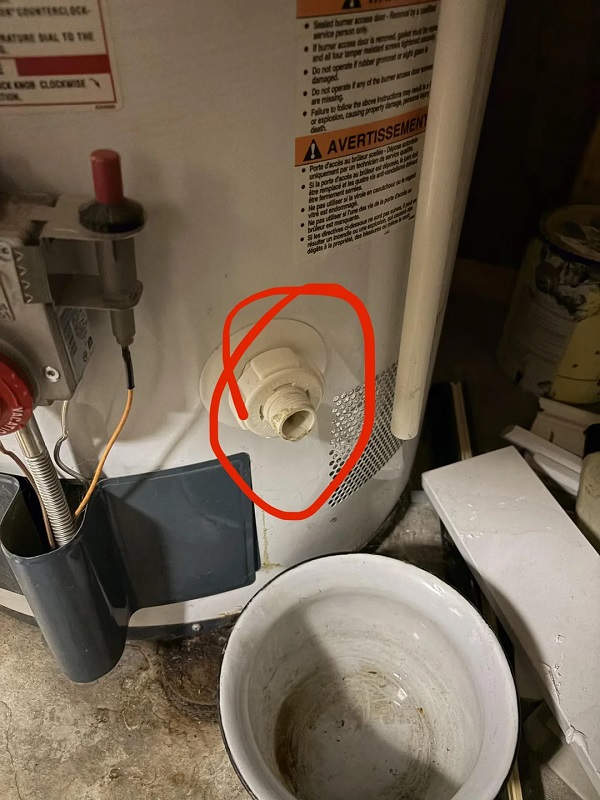
On Reddit's r/Plumbing, a homeowner asked about the small but ongoing drip from what they believed was their water heater's release valve. They wondered how they could fix it.
"Any ideas what might be going on and how to address it?" they asked.
Why does it matter?
If a pressure relief valve starts leaking, the cause could be something as simple as debris in the valve or a worn-out part.
However, it could also point to excessive system pressure, overheating, or thermal expansion, which happens when heated water expands and has nowhere to go.
Save $10,000 on solar panels without even sharing your phone number Want to go solar but not sure who to trust? EnergySage has your back with free and transparent quotes from fully vetted providers in your area. To get started, just answer a few questions about your home — no phone number required. Within a day or two, EnergySage will email you the best options for your needs, and their expert advisers can help you compare quotes and pick a winner. Solar panels can save you more than $50k over their 25-year lifespan, and EnergySage can help you save as much as $10k on installation. Which begs the question — isn't that worth an email or two? |

In some homes, that means the real fix is not just replacing the valve, but also checking the expansion tank, thermostat settings, or incoming water pressure.
Ignoring a slow drip can get expensive. Even a minor leak wastes water over time, and if it gets worse, it can damage flooring, walls, and nearby storage areas.
Ultimately, a leak should not be dismissed as "normal" without checking what is causing it.
What can I do?
Water heating is a major household energy expense. When an older unit starts showing signs of wear, it can be worth comparing the cost of a repair with the savings of a more efficient replacement.
If you notice a leak, start by confirming where the water is coming from and avoiding any attempt to cap or block the relief valve. A licensed plumber can test water pressure, inspect the valve, and determine whether the culprit is a bad component, excessive heat, or missing expansion control. If the water heater is older, replacement may be the smarter financial move.
One option is Cala, whose customizable smart heat pump water heaters help homeowners lower their energy bills by heating water exactly when it's needed.
A smart heat pump water heater, like Cala's, can adapt to your routine and lower your water bills over time compared to a conventional tank that repeatedly reheats water around the clock.
As for the original poster, one commenter believed it was an easy fix.
"Valve is probably going bad. You can drain it and replace it with a brass valve, but sometimes those break while removing them. Just be aware," they said.

Get TCD's free newsletters for easy tips, smart advice, and a chance to earn $5,000 toward home upgrades. To see more stories like this one, change your Google preferences here.






