


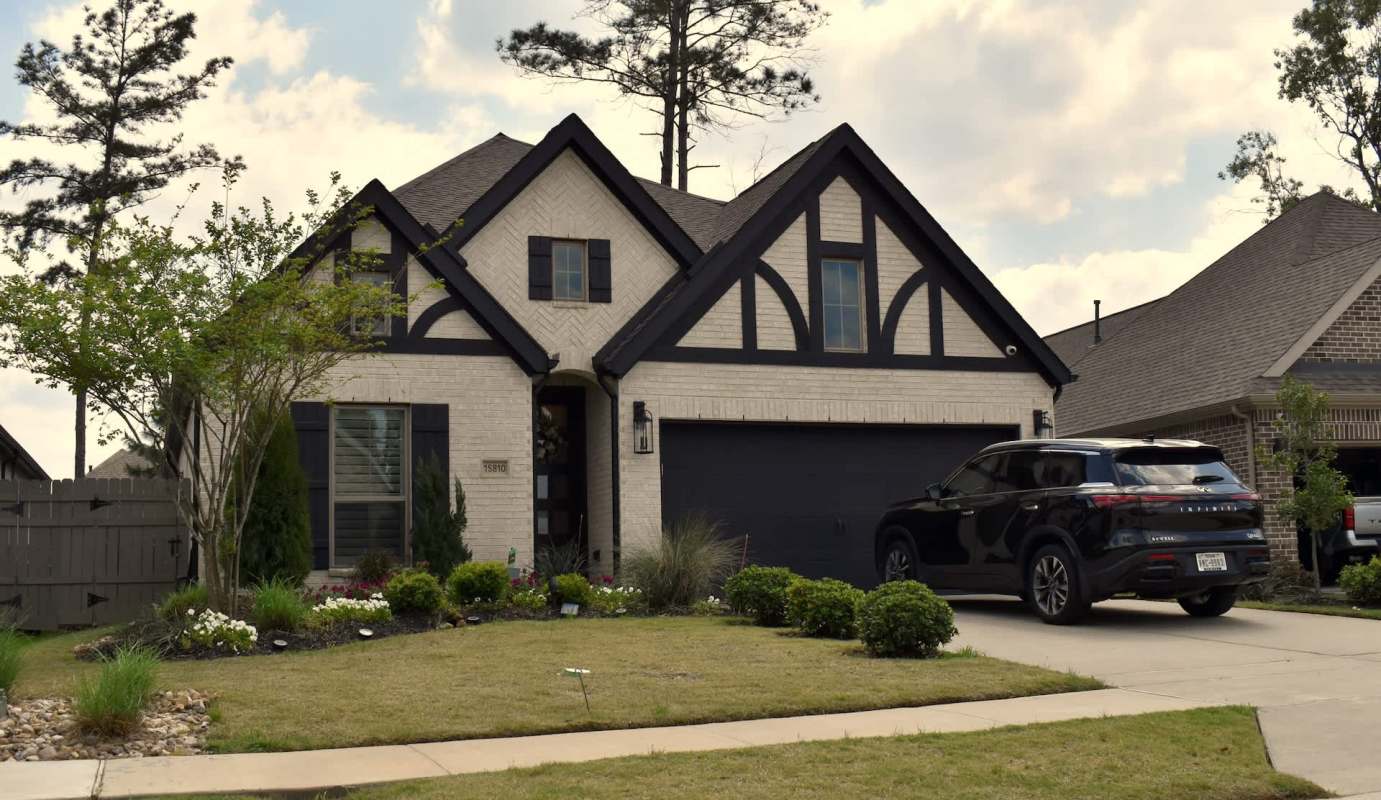
Older homes can make summer cooling a money pit, especially when the air conditioning barely gets a break before indoor temperatures start climbing again.
That is the problem one homeowner described while weighing a tough question: Is it smarter to tackle insulation first, or go solar?
What's happening?
In a Reddit post, the homeowner said they live in "a very old place that doesn't have almost any working insulation" and added, "the second the AC turns off it will jump a degree or two."
They were comparing the work and cost of a mostly DIY solar setup — with the mains-side portion still handled by a professional — with a full insulation redo that would require opening up the walls.
That kind of tradeoff is common in older homes. Solar can help offset high electricity use, while insulation addresses the root cause by slowing heat gain and helping cool air stay inside longer.
Going solar is one of the best ways to save money on home energy, especially for households dealing with heavy air-conditioning use and other large electrical loads. Homeowners who want to compare the numbers can use EnergySage to get quick solar installation estimates and compare quotes.
Why does it matter?
Poor insulation can make HVAC systems run longer and more often, pushing electricity costs higher and making rooms less comfortable.
Solar panels do not stop heat from entering a house, but they can reduce the financial pain of running the AC. Insulation, on the other hand, can lower overall energy demand by keeping indoor temperatures steadier, which may reduce how hard cooling equipment has to work.
Save $10,000 on solar panels without even sharing your phone number Want to go solar but not sure who to trust? EnergySage has your back with free and transparent quotes from fully vetted providers that can help you save as much as $10k on installation. To get started, just answer a few questions about your home — no phone number required. Within a day or two, EnergySage will email you the best local options for your needs, and their expert advisers can help you compare quotes and pick a winner. |

The catch is that wall insulation retrofits can be messy, expensive, and time-consuming in older homes. Solar projects also come with permitting, interconnection, and electrical requirements, but for some homeowners, that work may still feel more manageable than opening up finished walls.
What can I do?
If your home heats up quickly, experts often recommend starting with the simplest efficiency fixes first, such as air sealing, checking attic insulation, servicing HVAC equipment, and getting an energy audit if possible. Those steps can reveal whether your biggest savings opportunity is reducing energy waste, producing your own electricity, or both.
"Honestly, I'd probably start with the low-hanging fruit first," one commenter said. "If your insulation is as bad as you describe, that's money you're losing whether you install solar or not."
Free comparison tools can also make the solar side easier to evaluate before committing. With EnergySage's help, the average person can save up to $10,000 on solar purchases and installations.
More From EnergySage
💡Go deep on the latest news and trends shaping the residential solar landscape
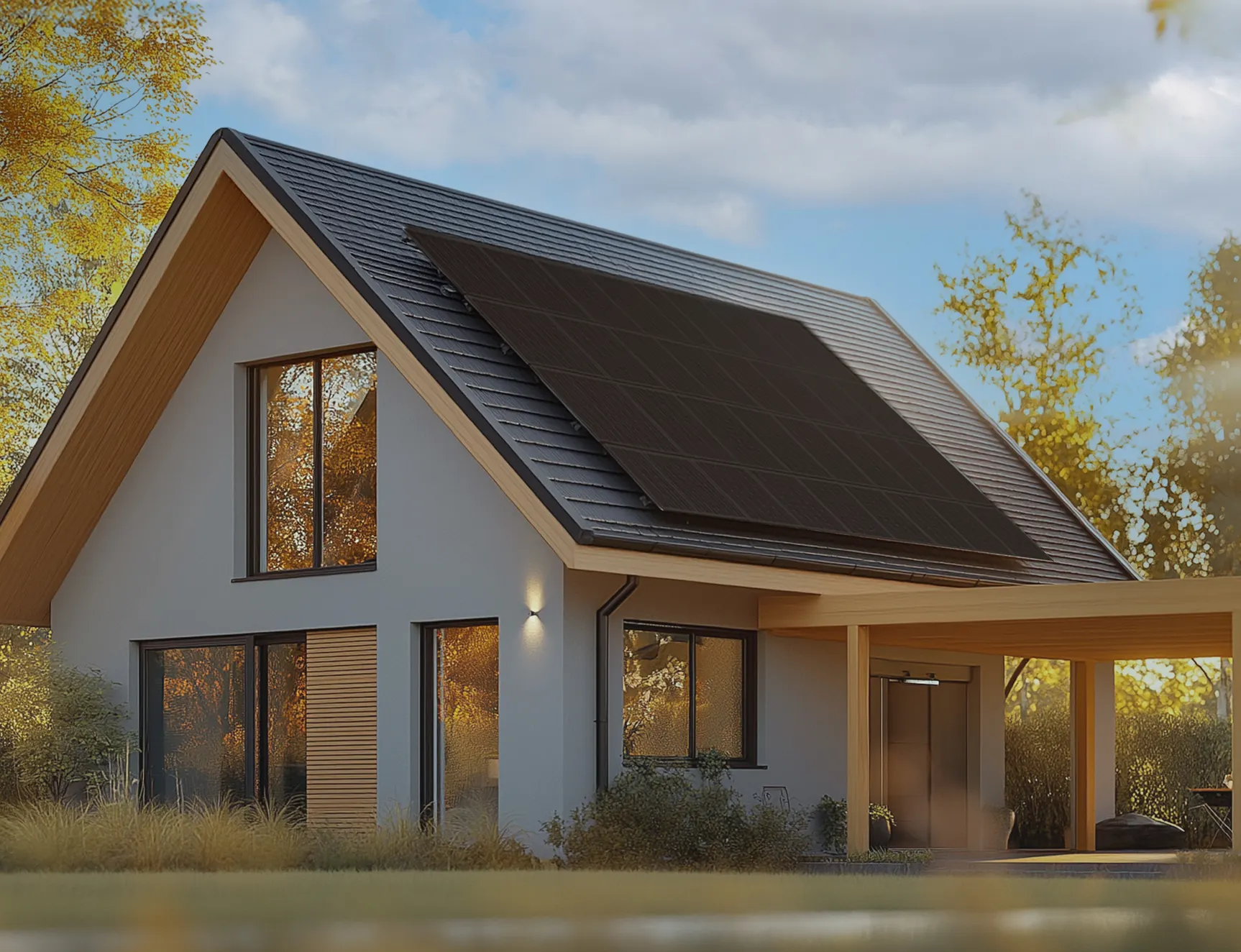
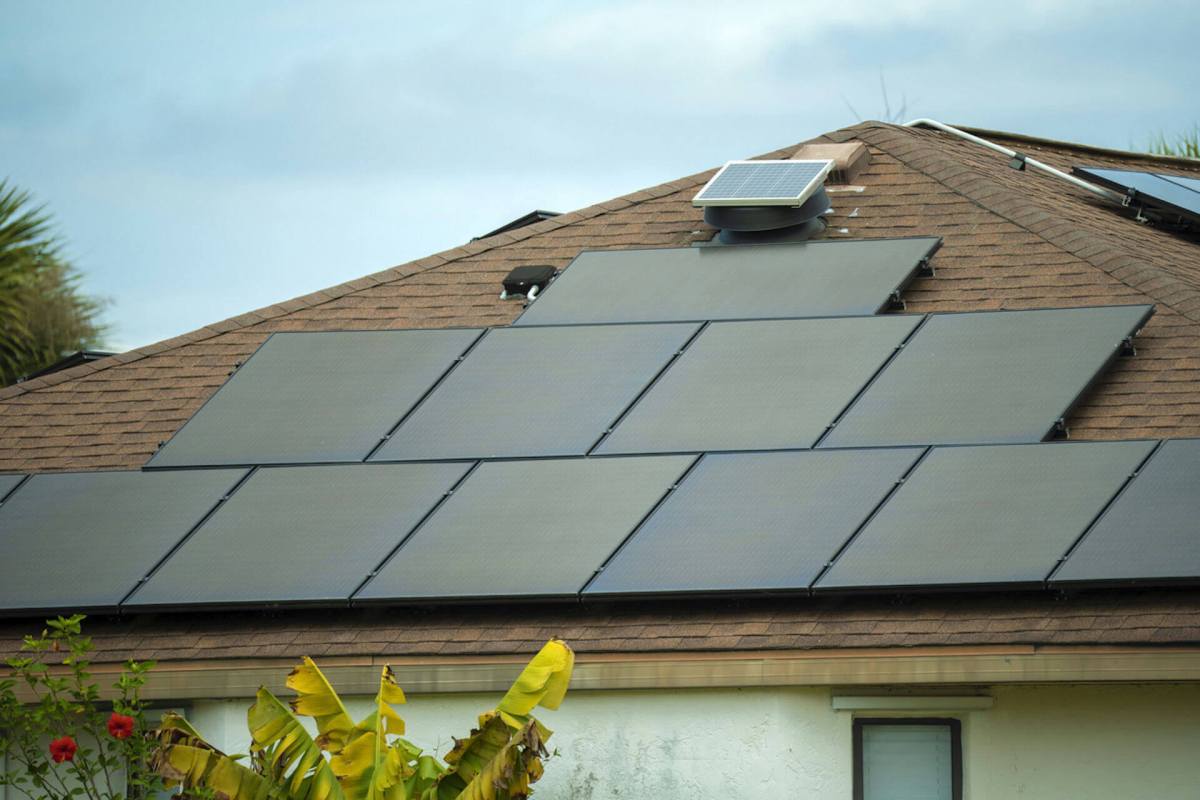
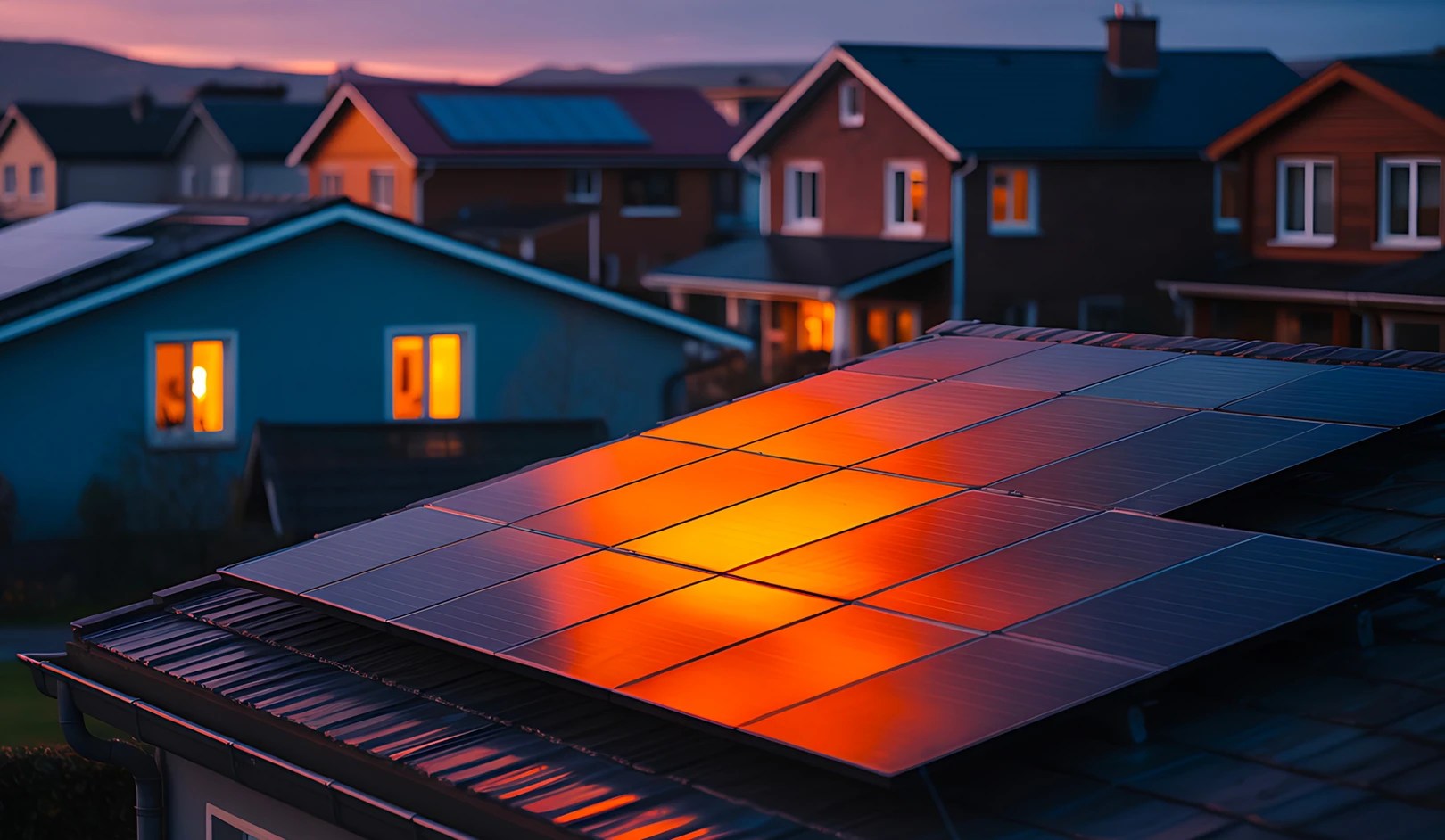

EnergySage's solar map also shows the average cost of a home solar panel system by state, along with details on available solar panel incentives, which can help you get the best price for rooftop solar panels and access available incentives.
Adding battery storage to a solar setup is also one of the best ways to protect your home during outages, save money on energy, and go off-grid. Homeowners interested in backup power can explore EnergySage for information about home battery storage options, including competitive installation estimates.

Get TCD's free newsletters for easy tips, smart advice, and a chance to earn $5,000 toward home upgrades. To see more stories like this one, change your Google preferences here.






