


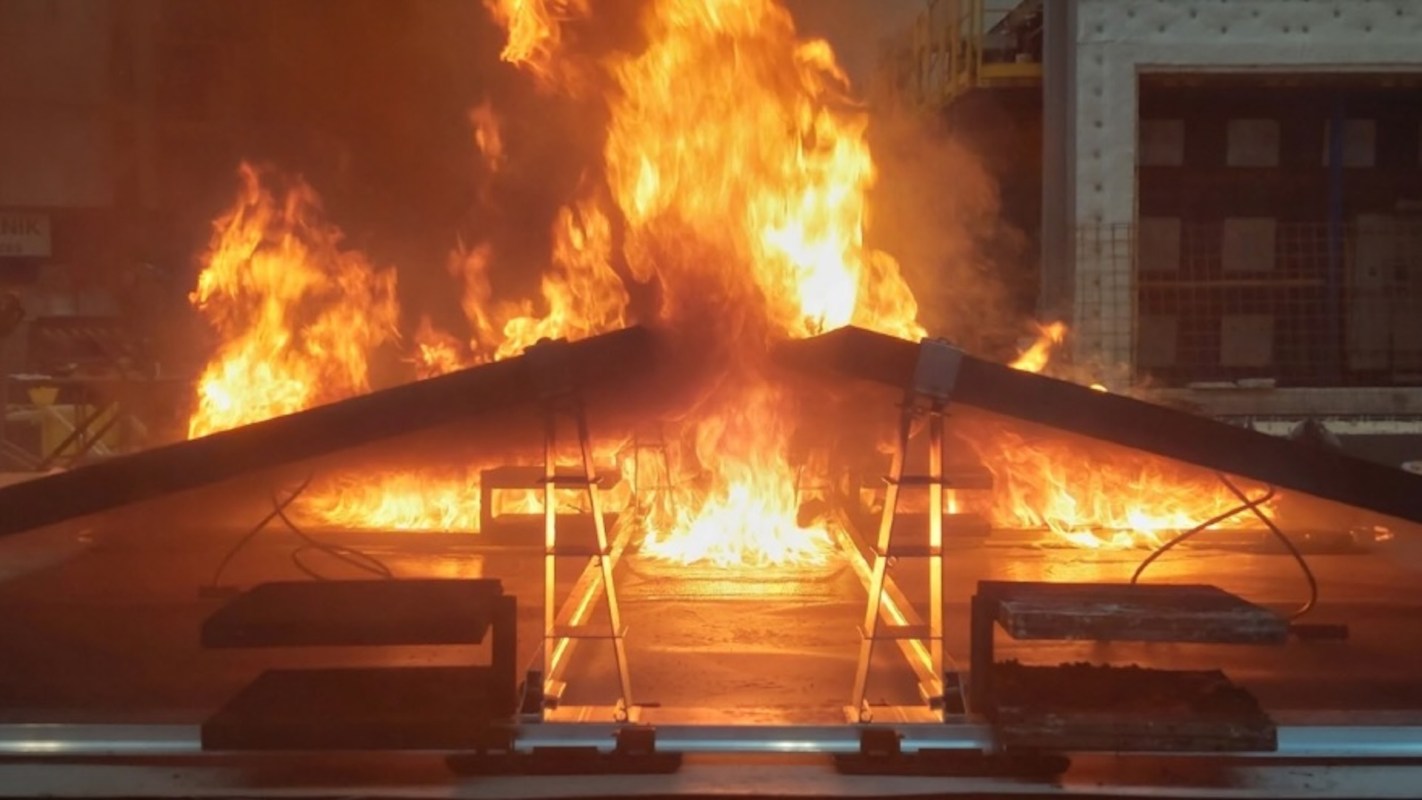
Solar-panel fires have drawn attention across Europe, but a new multinational review suggests the picture is less alarming than some headlines imply.
Across the four-country review, fires involving photovoltaic systems were still uncommon overall. When incidents did occur, DC-side cables and connectors showed up frequently as ignition points, and cases involving the most extensive damage were unusual.
What happened?
According to PV Magazine, a research group led by the Slovenian National Building and Civil Engineering Institute, or ZAG, analyzed firefighter-attended photovoltaic-related fires in the United Kingdom, Italy, Slovenia, and Sweden. Incidents rose across all four countries, but differing national systems for defining and recording those fires make direct comparisons difficult.
In the study's approach, a fire was counted as PV-related if any solar-system component was involved, including situations where the equipment was damaged by a fire that started somewhere else. Countries also vary in what they include in their records, with some tracking only module-related cases and others counting cables, inverters, and additional hardware.
Nik Rus, the study's corresponding author and a researcher with ZAG, told PV Magazine, "The harmonization of parameters and their terminology required in the reports that are filled by the firefighters after incidents would be extremely beneficial when thinking about cross-country comparisons."
Sweden supplied the most detailed breakdown in the review. Its data showed that about one-quarter of PV-related fires involved DC cables and connectors, with DC switches and AC-side electrical central units also appearing often as ignition sources.
TCD Picks » Quince Spotlight
💡These best-sellers from Quince deliver affordable, sustainable luxury for all




Damage was usually contained. Roughly two-thirds of incidents were limited to PV equipment, while about one-quarter extended to nearby surfaces.
Why does it matter?
Even as solar capacity keeps growing, the researchers said PV-related fires remain relatively infrequent. Reported annual fires per gigawatt of installed solar ranged from about two to four in the U.K., five to 13 in Italy, and seven to 19 in Sweden.
Solar power can lower electricity bills, reduce planet-warming pollution, and help households rely less on volatile fossil-fuel energy prices. The research suggests the risks are manageable, particularly when systems are properly designed, installed, and monitored.
Rus said, "Any regulations, building codes or fire safety requirements should definitely be data-based, especially given recent conflicting reports in the PV field."
Rus also cautioned that some equipment meant to improve safety can create new points of failure.
"For instance, some safety components shut-off switches, which are theoretically designed and installed to improve the safety of PV systems, have, over the years, become one of the more common causes of failures that then evolve into ignition sources capable of leading to a fire," Rus said.
What's being done?
The researchers are urging countries to standardize fire-reporting practices so regulators, firefighters, installers, and manufacturers can more clearly see which components fail most often and which hazards need quicker attention. More consistent data could also inform building codes, inspections, and product design.
They also said that examining where fires start and how much damage they cause can improve risk management for rooftop systems. In Sweden, for instance, PV Magazine reported that smaller systems had fewer fires per installation, but because they are so numerous, they still made up a substantial share of incidents.
If you're thinking about solar for your home, EnergySage can help you compare solar-installation bids.
The scientists said, per PV Magazine, "These data can serve as a foundation for risk analysis and risk management concerning rooftop PV systems, as well as provide general guidance for the fire safety of PV systems in general."
Rus added, "Our ongoing research examines the parameters that influence the early stages of fire development."

Get TCD's free newsletters for easy tips, smart advice, and a chance to earn $5,000 toward home upgrades. To see more stories like this one, change your Google preferences here.






