


One woman's quick thinking may have saved a trumpeter swan after it was discovered covered in blood and with a cracked beak.
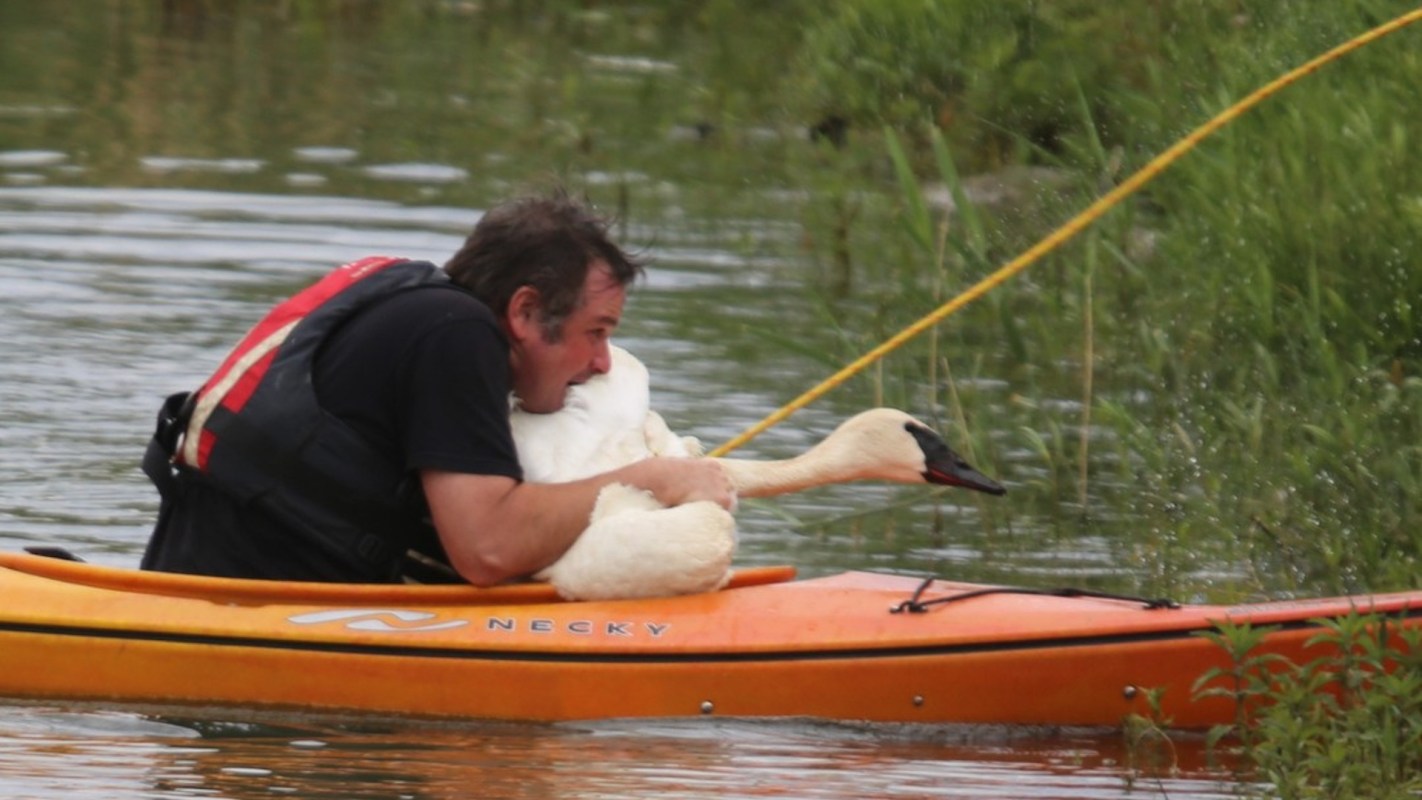
The community member, upon spotting the injured bird, contacted a wildlife rescue team, which carried out a kayak rescue before rushing the swan in for emergency surgery.
What happened?
A person identified as Shona was the first to recognize that the swan was in trouble, according to the Toronto Wildlife Centre in a July 30 Instagram post.
After she alerted the rescue center, they sent a rescuer identified as Andrew, who used a kayak to reach the bird safely and bring her in for care.
Urgent surgery was required. After examining the swan, the veterinary team found "a severe fracture on the new patient's upper beak… [that] went all the way through to the roof of her mouth."
There was another reason the team needed to move so quickly. The Toronto Wildlife Centre said the swan had "a mate and cygnets (baby swans!) waiting back home," raising the stakes for her recovery and return.
TCD Picks » Quince Spotlight
💡These best-sellers from Quince deliver affordable, sustainable luxury for all




Thankfully, the veterinarian was able to successfully suture the fractured beak with dissolvable stitches and "the resilient mother swan recovered from surgery beautifully with supportive care, returning to her home a few days later to be reunited with her family."
Why does it matter?
A beak injury can threaten a bird's ability to eat, defend itself, and care for its young.
For a parent animal, even a short absence can have ripple effects across the rest of the family group.
This swan was helped because someone recognized that something was wrong and contacted professionals instead of ignoring the situation or trying to intervene alone.
When rescue networks are in place, people are better prepared to respond when wildlife is injured, which can help native species survive in human-shaped environments.
Wildlife rehabilitation organizations do more than rescue individual animals. They also give residents a trusted place to turn when they encounter injured wildlife, helping reduce unsafe interventions and improving outcomes for animals that need specialized treatment.

Get TCD's free newsletters for easy tips, smart advice, and a chance to earn $5,000 toward home upgrades. To see more stories like this one, change your Google preferences here.







