


Growing melons through a cold spring may sound like a recipe for disappointment. But no-dig gardening authority Charles Dowding's low-input setup shows how a few simple techniques can still deliver a fast-ripening harvest.
For anyone hoping to cut grocery costs and grow sweeter produce at home, the post offers a practical blueprint.
What's happening?
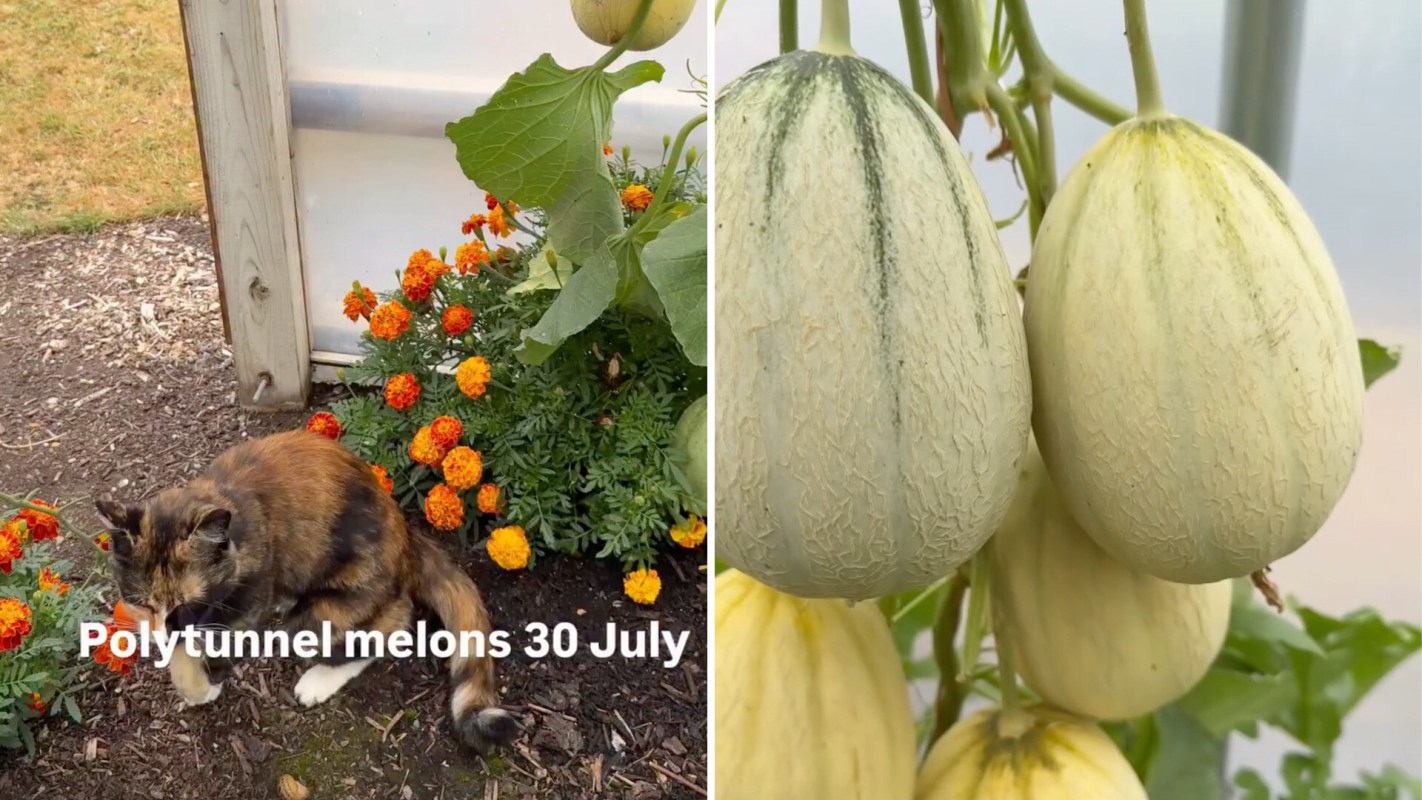
Dowding, who is known for no-dig gardening, highlighted a successful crop on Instagram of Emir F1 melons after a cold start to the season. In his caption, Dowding wrote, "Emir F1 melons have ripened fast, were sown 28th March and planted here 18th May."
Dowding said each plant's string was buried beneath the rootball, with the main stem then trained upward to a wire as it grew. He also noted, "It was cold at that time and they had fleece over for two weeks."
He added that "the string is buried under the rootball of each melon."
He also described a minimalist approach: "I remove all laterals /side shoots until they are a metre high and then allow them to develop, and I never prune the fruit because they do that themselves, also I never do any pollination. It's no dig with no feeds or fertilisers."
TCD Picks » Quince Spotlight
💡These best-sellers from Quince deliver affordable, sustainable luxury for all




One commenter wrote, "How do you decide how many melons to leave on the plant? I had about half a dozen or so growing on mine but pruned them down to the biggest 3… astounded by how many you've got per plant!"
Why does it matter?
Growing food at home can help households save money on produce, especially premium crops such as melons, which can be pricey at the store.
Fruit picked at peak ripeness from a garden or polytunnel often tastes better than produce that has traveled long distances and was harvested early for shipping.
Dowding's method also keeps inputs low. No-dig growing can reduce weeding and soil disturbance, while skipping extra fertilizers and feeds may lower ongoing costs for home gardeners.
Gardening can also support mental and physical health. It gets people moving, encourages time outdoors, and can provide a calming routine with a tangible payoff: food you actually get to eat.
What can I do?
A productive food garden does not always require complicated systems. Dowding's example showed how basic protection and a consistent pruning approach can go a long way.
For cool-weather growers, fleece can help young plants through a rough patch. Training vines vertically with string can also make better use of limited space in greenhouses, tunnels, and smaller gardens.

Get TCD's free newsletters for easy tips, smart advice, and a chance to earn $5,000 toward home upgrades. To see more stories like this one, change your Google preferences here.






