


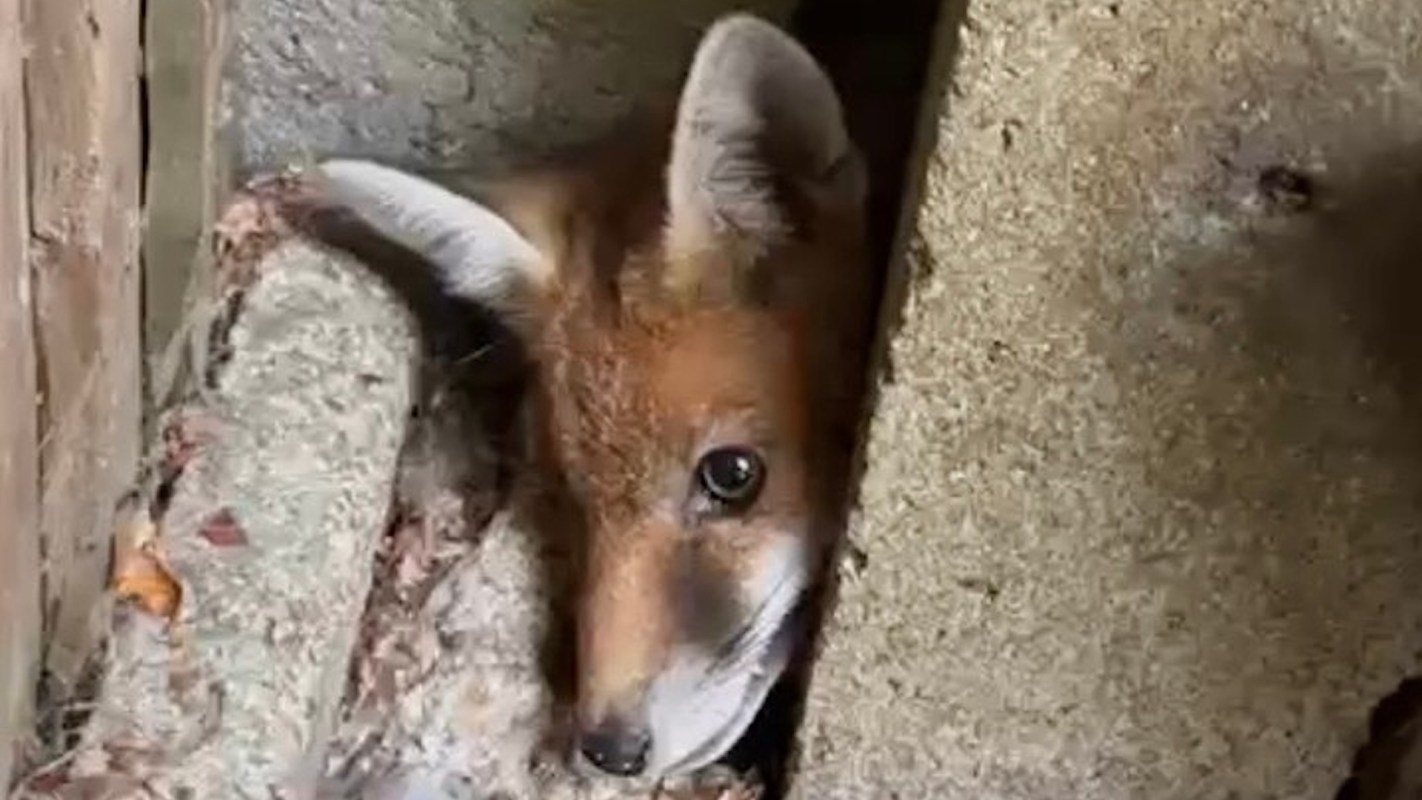
A fox cub in England survived a harrowing ordeal after spending 24 hours wedged between two walls, and before-and-after photos shared by a rescue group on July 30 show how dramatic her recovery has been.
What happened?
In an Instagram post, Wildlife Aid Foundation (@wildlifeaid) named the cub Oasis and said she had spent hours pinned between two walls, unable to move.
The group said Oasis was "extremely thin, dehydrated, her face painfully swollen, scratched, and she had parasites in and around her mouth."
A rescuer named Mike safely transported Oasis to WAF, where the team began emergency treatment immediately.
Four days later, the foundation was showing how different Oasis looked after care compared with her condition when she first arrived.
Why does it matter?
For a young fox, spending an entire day trapped in a narrow space can quickly become life-threatening.
TCD Picks » Quince Spotlight
💡These best-sellers from Quince deliver affordable, sustainable luxury for all




Dehydration, swelling, open wounds, and parasites can all worsen rapidly without intervention, especially when the animal is so confined that it cannot escape or even reposition itself.
Walls, fences, sheds, and other structures can become accidental traps, putting curious cubs and other small animals at serious risk.
Urban and suburban wildlife often lives much closer to people than many people realize.
Quick calls to trained rescuers can mean the difference between a grim outcome and a second chance for an animal that still plays a role in the local ecosystem.
What's being done?
Wildlife Aid Foundation started by stabilizing Oasis as soon as she arrived.
According to the post, staff treated Oasis with emergency fluids, cleaned her wounds, and removed parasites from her mouth.
A trapped wild animal may be frightened, injured, or carrying parasites, which can make a do-it-yourself rescue dangerous for both the animal and the person trying to help.
Preventing access to dangerous cavities — after making sure no animals are inside — can also help stop similar incidents from happening again.
The foundation said, "Thanks to our rescuer, Mike, Oasis safely made it to WAF, where our team immediately sprung into action," and "Today, little Oasis looks like a completely different fox."

Get TCD's free newsletters for easy tips, smart advice, and a chance to earn $5,000 toward home upgrades. To see more stories like this one, change your Google preferences here.







