


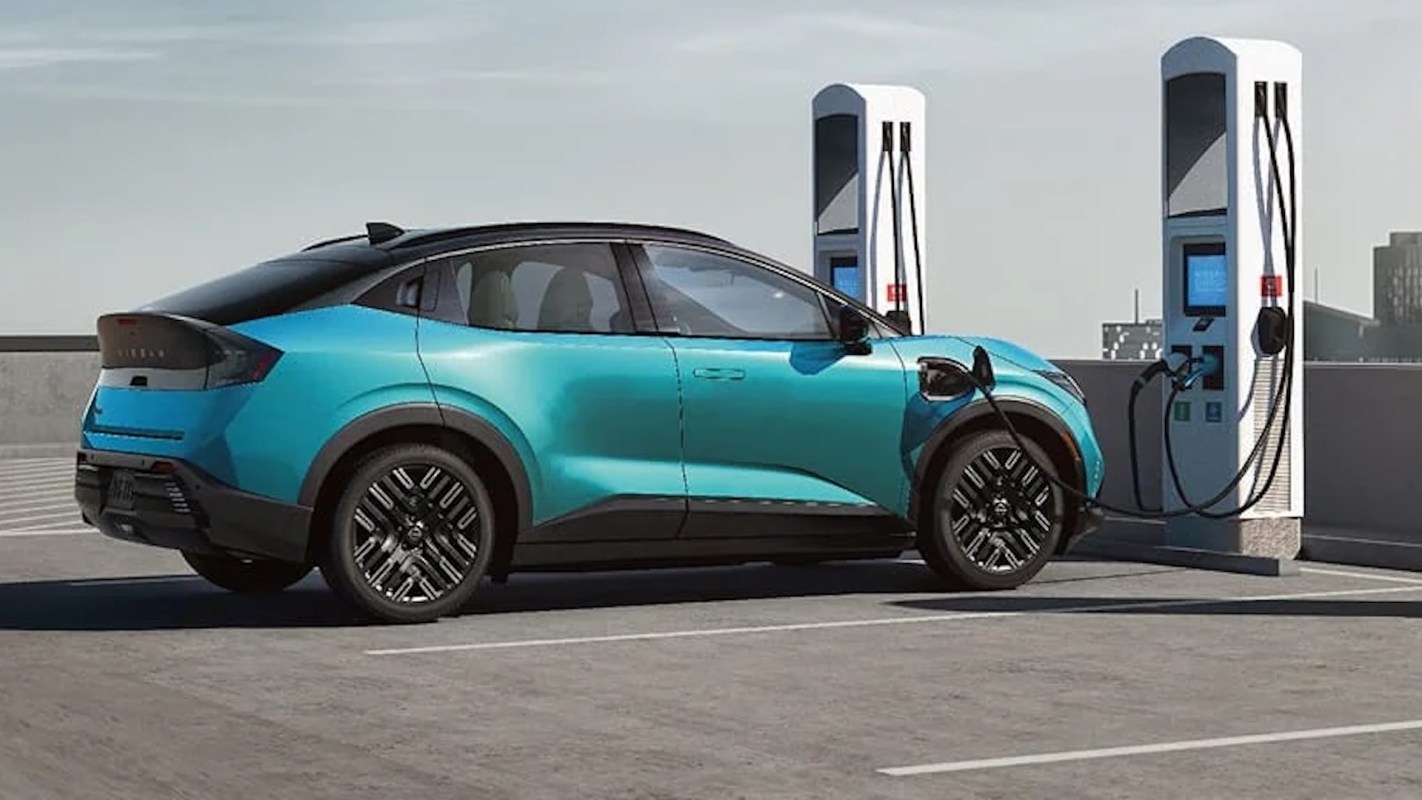
Buying an electric vehicle in the U.S. can seem less compelling than it once did. Sales have slowed, some major automakers have pulled back parts of their EV plans, and the disappearance of the federal tax incentive has made already high prices even harder for many shoppers to accept.
Even so, this looks more like a pause before another stretch of growth than a full-on collapse.
What's happening?
Price remains the biggest obstacle for many U.S. buyers, especially when similar gas-powered vehicles still tend to cost less up front.
In response, automakers are lining up cheaper options: Ford has previewed a midsize electric truck at about $30,000 for 2027, and Slate Auto is targeting a stripped-down pickup for under $25,000 by late 2026, as reported by How-To Geek. Tesla is also reportedly revisiting plans for a low-cost EV after dropping that idea for years.
At the same time, manufacturers are using cheaper battery chemistries such as lithium iron phosphate and simpler production methods to build EVs for people who do not need luxury touches or extremely long range.
Taken together, those shifts are why How-To Geek argued that the U.S. EV market, while struggling, is increasingly likely to rebound as affordability improves and battery technology moves closer to the mainstream.
TCD Picks » Quince Spotlight
💡These best-sellers from Quince deliver affordable, sustainable luxury for all




Why does it matter?
If those lower-priced EVs arrive on time, electric driving could become practical for many more Americans instead of staying mostly in the hands of early adopters or luxury buyers.
An EV may still carry a higher sticker price at the start, but lower fuel costs can make it less expensive to own over the long run.
Battery advances could also make EVs far easier to live with, and solid-state batteries in particular could bring faster charging, greater range, better durability, and stronger safety.
Nissan and Toyota are targeting first solid-state offerings in 2027 and 2028, although broader adoption is more likely in the 2030s.
That sort of improvement could directly ease one of drivers' biggest concerns: range anxiety. If charging times fell from roughly 30 minutes to just a few minutes and range rose beyond 500 miles, EVs would make more sense for road trips, daily commuting, and one-car households.
What's being done?
Automakers are already reshaping their plans around future demand and affordability. Instead of concentrating only on entry-luxury EVs packed with technology, many are shifting toward simpler, cheaper models that could attract more everyday drivers.
The industry is also being pushed in that direction by global market forces. The European Union, the United Kingdom, and other governments are moving toward phasing out most or all sales of new combustion-engine cars by 2035.
As a result, global automakers will need EV lineups to stay competitive, and the vehicles developed for those markets are also likely to shape what eventually arrives in the U.S. Hybrids may lead, but the overall car-buying market still seems to be moving toward EVs.
The bigger question may not be whether EVs remain viable in America, but when the next surge begins. If affordable models and next-generation batteries arrive on schedule, the downturn could end up looking more like a short lull than a permanent retreat.

Get TCD's free newsletters for easy tips, smart advice, and a chance to earn $5,000 toward home upgrades. To see more stories like this one, change your Google preferences here.






