


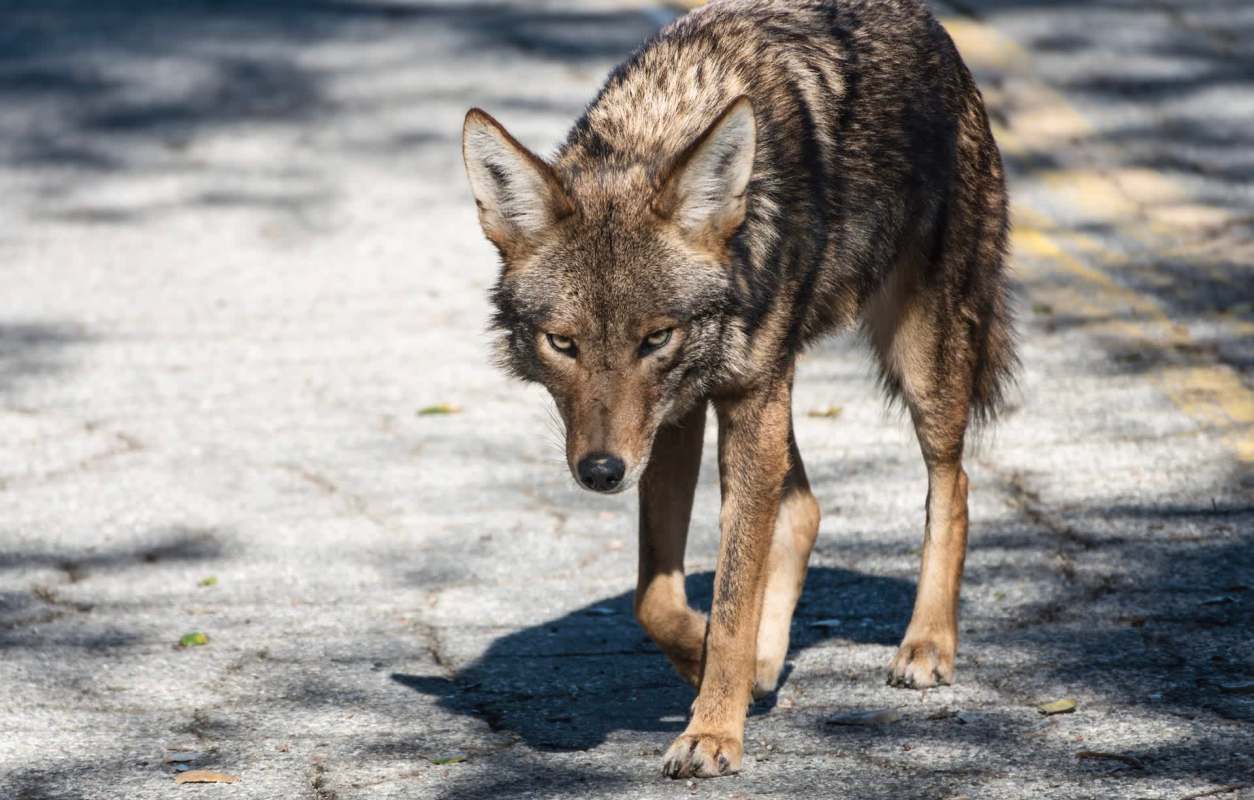
Two coyote attacks on toddlers in the span of a month have rattled Whitby, Ontario, and pushed local leaders into urgent discussions about how to keep families safe.
The injuries have also raised a broader question that many growing communities are confronting: What happens when wild animals and expanding neighborhoods keep colliding?
What happened?
According to Durham Region, Whitby held a council education meeting on July 20 after two small children in town were bitten by coyotes. Town officials used the session to address those incidents and review the municipal response.
Durham Region reported that Coun. Chris Leahy said the number of coyotes he has been seeing is higher than anything he has seen before, and that he has filmed some of those sightings.
Council also heard from John Gallen, Whitby's acting senior manager of enforcement services, and Kate Novia, supervisor of bylaw and animal services. As Durham Region reported, they described the local coyote situation and responded to council members' questions, particularly those tied to the two child attacks.
Whitby's coyote coexistence and response strategy was a major part of that discussion. That strategy serves as the framework for how the town approaches sightings, safety concerns, and encounters between wildlife and residents.
TCD Picks » Quince Spotlight
💡These best-sellers from Quince deliver affordable, sustainable luxury for all




Why does it matter?
After repeated incidents, people might not feel safe in parks, on sidewalks, near schools, and in residential neighborhoods. Parents may become more reluctant to let young children play outside, even in places that would normally feel routine and familiar.
The situation also demonstrates how human activity can shape wildlife behavior. As communities expand into green space, animals such as coyotes can lose habitat, alter their travel routes, and grow more comfortable around people.
That human-wildlife overlap is not unique to Whitby. As BBC Future has reported, attacks by wild animals are often tied not only to the animals themselves but also to the ways people alter landscapes and create new incentives for wildlife to come closer.
This is both a public safety issue and a neighborhood planning issue, and everyday habits can influence whether animals remain wary of humans or begin treating residential areas as part of their territory.
What's being done?
Whitby has taken the issue to council, using the July 20 meeting to examine the attacks on children and consider whether its current response is adequate.
Public education, reporting systems, bylaw support, and clear direction on when coyote behavior becomes dangerous are all tools communities typically rely on. In Whitby, Gallen and Novia walked council through the town's coyote approach and answered questions about the program.
Some practical steps to take include keeping children close in areas where coyotes have been spotted, supervising pets, securing trash, and avoiding anything that could attract wildlife to yards or walking paths. To allow officials to respond quickly, reporting sightings and aggressive behavior right away is important.
Coyotes are highly adaptable animals, but repeated close encounters involving very young children increase pressure on local governments to act.
"I understand there are situations where public safety must come first," said Leahy. "However, if relocation to a reputable wildlife sanctuary is a viable option, it should always be considered before a healthy animal is destroyed."

Get TCD's free newsletters for easy tips, smart advice, and a chance to earn $5,000 toward home upgrades. To see more stories like this one, change your Google preferences here.







