


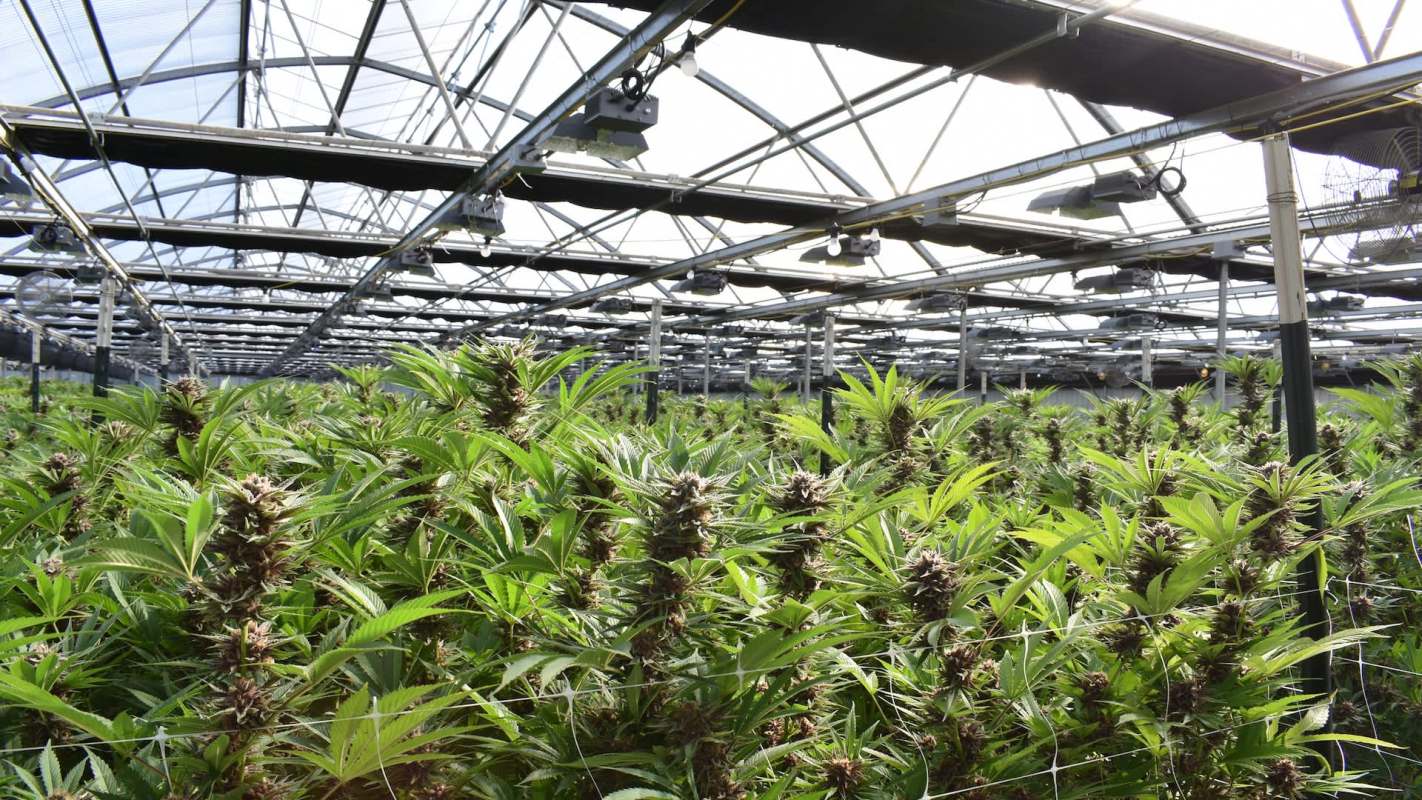
Colorado's surplus of unused indoor cannabis properties may present a new option for another energy-intensive business: data centers.
With proposed server campuses facing stronger resistance, some observers say the state's struggling marijuana facilities could accommodate certain computing operations with less disruption.
What's happening?
In an opinion essay for Westword, the author suggested that vacant or struggling indoor cannabis cultivation buildings should be considered as possible sites for some types of data centers.
Part of the appeal is the infrastructure these buildings already have. Indoor marijuana grows were designed for continuous, resource-heavy use, so many come with substantial electrical capacity as well as climate control, dehumidification, water delivery, security, and backup power.
That possibility emerges as Colorado's cannabis industry contracts, including the closure of large Denver-area cultivation facilities run by Green Dragon and PharmaCann. At the same time, computing demand is climbing with the growth of artificial intelligence, even as more communities question whether new data center projects are worth the tradeoffs.
Former grow sites probably would not suit giant AI campuses, but some may be able to handle smaller or more specialized computing uses without as much new infrastructure.
TCD Picks » Quince Spotlight
💡These best-sellers from Quince deliver affordable, sustainable luxury for all




Why does it matter?
Data centers often face backlash for their consumption of enormous amounts of electricity and significant water usage, depending on how cooling is handled, and typically provide only a modest number of permanent jobs after construction ends.
That combination can make proposed facilities unpopular with nearby residents and local officials, especially when they involve new buildings, additional grid equipment, diesel backup generators, and industrial noise. Converting an existing cannabis facility would not remove those concerns, but it could lessen some of the land-use tension that comes with developing a new site from scratch.
Communities dealing with the cannabis downturn also have to decide what to do with empty specialized properties. When purpose-built industrial buildings sit idle, they can become costly burdens, so reuse could keep those sites active while giving cities another way to think about tech-driven development.
What's being done?
The essay argues that policymakers, developers, lenders, and cannabis operators should seriously assess shuttered grow facilities before moving ahead with entirely new data center construction.
That would involve reviewing each site for network connectivity, building suitability, fire protection, utility agreements, cooling requirements, and whether the available power can support the intended computing load. In some cases, a property may still be too small, too specialized, or too expensive to retrofit.
Instead of assuming every new data center must be built as a large campus, the proposal points toward smaller adaptive-reuse projects in locations where water connections, drainage systems, and local approvals are already in place.
In the essay's view, the writer asks, "Before communities say yes to another new data center, why not first ask whether the infrastructure has already been built?"

Get TCD's free newsletters for easy tips, smart advice, and a chance to earn $5,000 toward home upgrades. To see more stories like this one, change your Google preferences here.






