


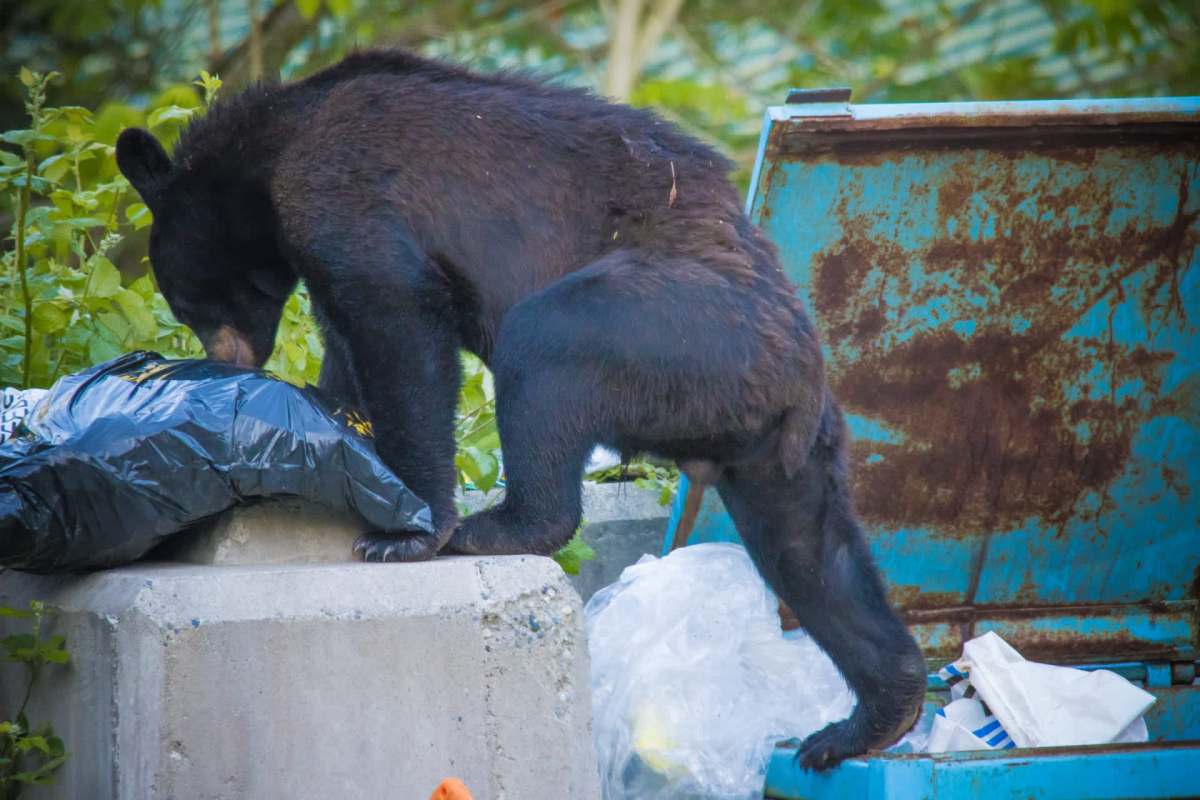
After climbing onto a dumpster in Lake Harmony, Pennsylvania, a black bear seized a full trash bag, dragged it onto the pavement, and ripped it open in search of a meal.
Beyond the spectacle, the clip highlights how readily discarded human food can lure wild animals into potentially dangerous spaces around homes.
What happened?
Ray Doherty's video shows the large black bear perched on a metal dumpster as it reaches for a white garbage bag, then carefully lowers itself back down with the bag before dragging it away and tearing into it to look for food.
The bear was recorded near a residential part of Lake Harmony, where an easy meal can quickly draw in a highly adaptable animal. After searching through the waste, it eventually moved on, Yahoo reported.
Scenes like this are common where neighborhoods overlap with bear habitat, because unsecured garbage can draw animals in.
Once bears learn that dumpsters, bins, and trash bags may contain food, they are more likely to return to the same places again.
TCD Picks » Quince Spotlight
💡These best-sellers from Quince deliver affordable, sustainable luxury for all




Why does it matter?
Encounters like this are not just about a messy trash spill. They can create problems for both residents and animals, especially when bears begin to associate neighborhoods with a dependable food source.
This kind of dumpster dive is partly driven by human activity. Food scraps, poorly secured trash bags, and accessible dumpsters can unintentionally train wildlife to seek out neighborhoods instead of staying focused on natural food sources.
What may look like clever scavenging can also be an early warning sign of a larger coexistence challenge, one created in part by the way people store and discard waste.
What can I do?
The most effective step is also one of the simplest: make trash harder for bears to access. That can include using bear-resistant containers, securing dumpster lids, and avoiding loose garbage bags outside, where smells can spread easily.
If a bear is seen feeding from trash repeatedly, reporting it to local wildlife officials can help communities respond before the behavior escalates. The goal is not to punish the animal but to remove the reward.
The moment Doherty captured points to practical changes that can help protect both people and bears.
Seeing a bear scale a dumpster and make off with a full garbage bag is striking. It also underscores a simple point: if people leave leftovers within easy reach, wildlife will likely find them and return for more.

Get TCD's free newsletters for easy tips, smart advice, and a chance to earn $5,000 toward home upgrades. To see more stories like this one, change your Google preferences here.







