


For many homeowners and homesteaders, water independence begins with a relatively simple idea: catching the rain that is already falling on your property.
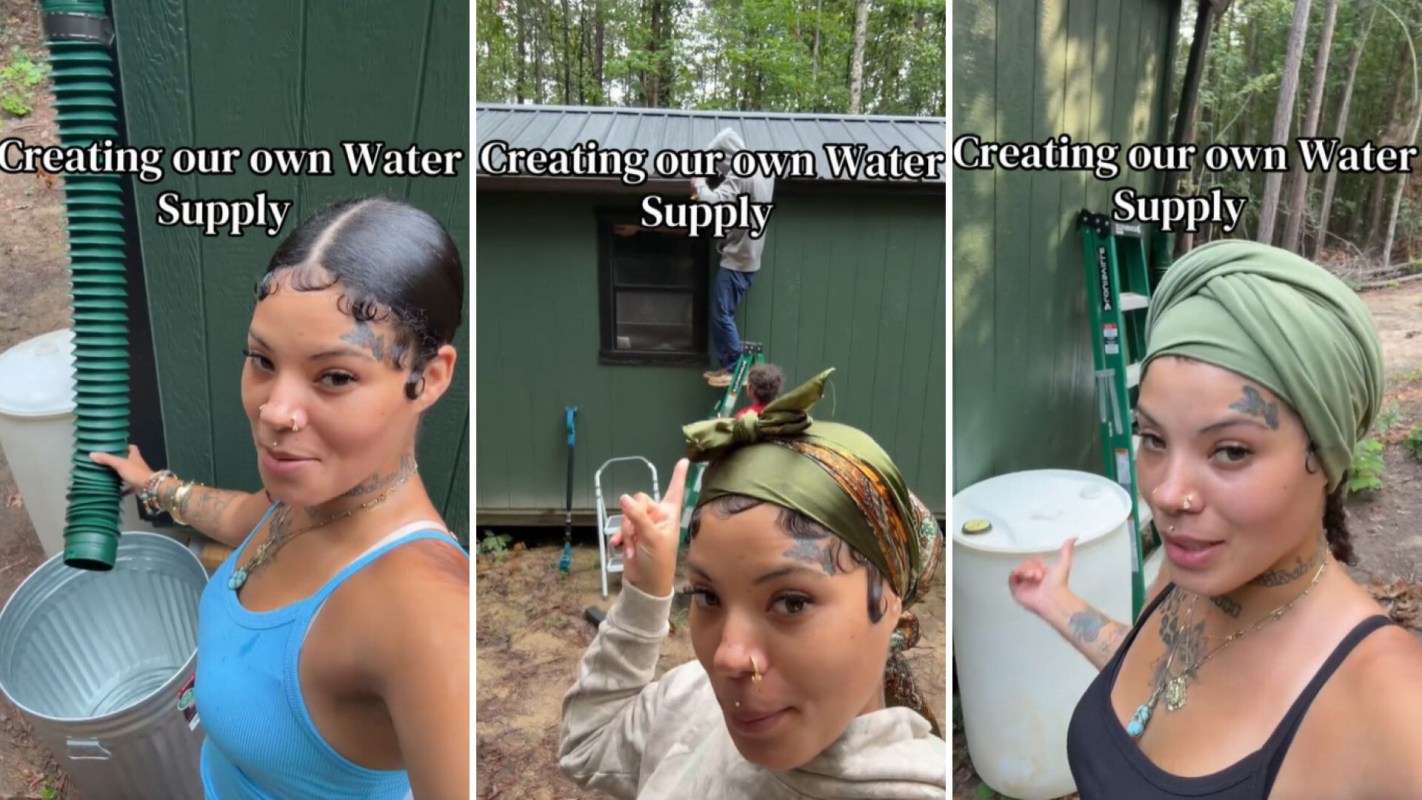
That is the appeal behind one TikTok creator's early-stage "project clean water," which shows the first steps of building a rain catch system on their land.
What happened?
A recently shared post from a homesteading creator captures the beginning of a rain catchment installation, highlighting the kind of do-it-yourself water setup some off-grid or semi-rural households use to stretch their resources.
In the TikTok video, the creator is seen at Home Depot gathering the supplies to start working on a system meant to gather rainfall on the property. They then go home and set it up.
@_aliceya We finally started our rain catch system ! Project clean water has began 💧 #water #homestead #diy #homesteading ♬ original sound - AliGoddess☥ | Seamoss🌱
The video focuses on the build itself rather than offering a full tutorial, but it showed that enough was built to start collecting water during a light rain.
Why does it matter?
Rainwater collection can help households cut utility costs, as the water can be used for gardens, landscaping, or other non-drinking purposes. In places with frequent rain, even a modest setup can reduce demand on municipal or well water.
TCD Picks » Quince Spotlight
💡These best-sellers from Quince deliver affordable, sustainable luxury for all




There are environmental benefits as well. Capturing rainwater can reduce stormwater runoff, which can carry pollutants into local waterways, and it can make outdoor watering less resource-intensive during dry stretches.
A rain-catch system is not automatically a source of safe drinking water. If someone wants to use collected rainwater for household consumption, treatment, filtration, storage, and local regulations all matter.
What can I do?
The most approachable first step is usually much smaller than a full homestead setup. A basic rain barrel connected to a gutter can often supply water for gardens, flower beds, or outdoor cleaning tasks.
Check local and state guidance before buying equipment. Rules on rainwater harvesting vary, and so do recommendations for storage, mosquito prevention, overflow management, and water treatment.
Match the system to the goal. Someone who wants to reduce summer watering bills may need only a simple barrel or tank, while anyone thinking about backup household water will need a more robust system and a safe filtration plan.
For many people, the biggest benefit is not total independence — it is added flexibility. Using rainwater where appropriate can trim costs, make a property more resilient, and encourage more intentional water use overall.

Get TCD's free newsletters for easy tips, smart advice, and a chance to earn $5,000 toward home upgrades. To see more stories like this one, change your Google preferences here.






