


If your summer garden struggled or faded early, August may still offer an opportunity for a fresh start.
A Tennessee gardener explains that many fast-growing crops can still be planted for a fall harvest, as long as gardeners plan around their area's first frost date and choose varieties with enough time to mature before colder weather arrives.
What's happening?
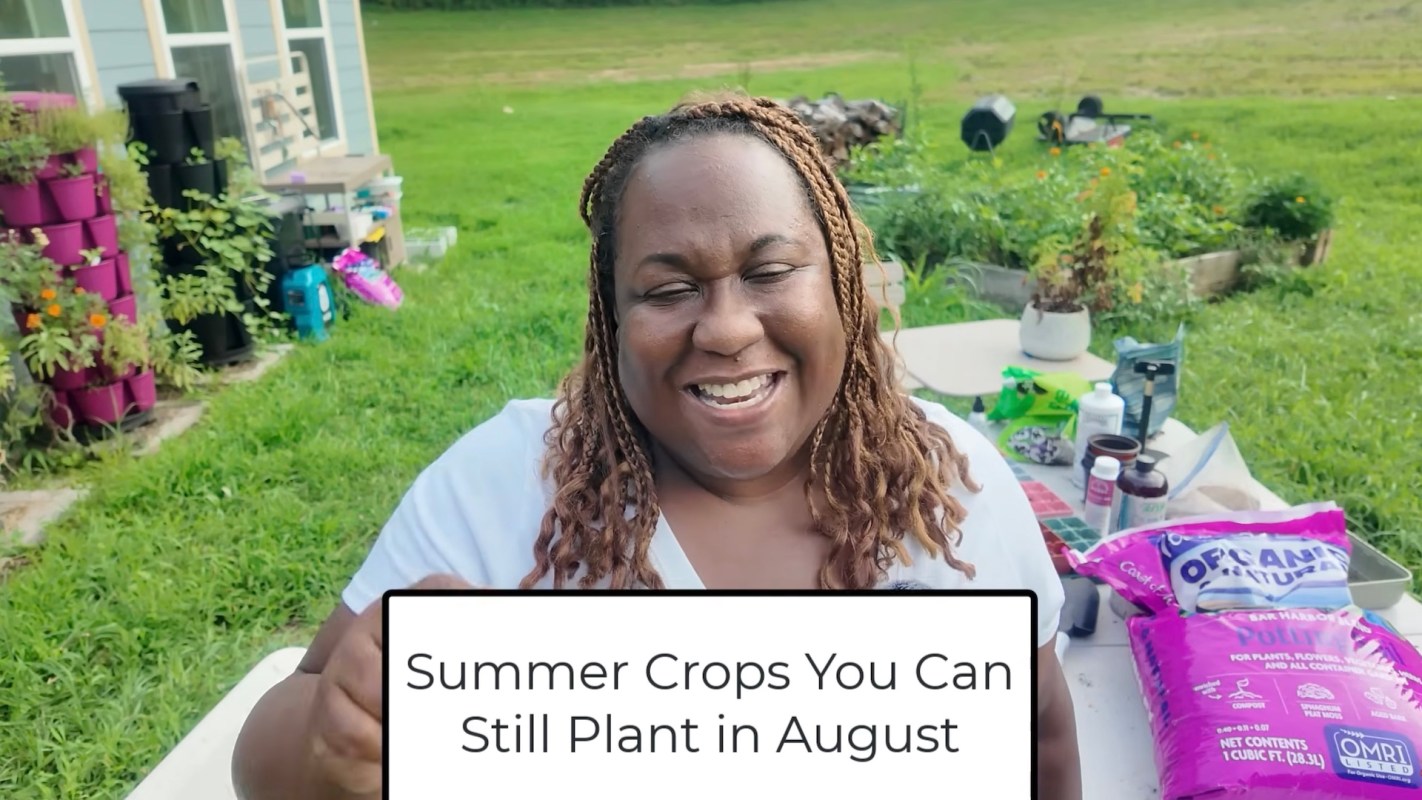
Barbara, a Tennessee-based content creator behind A Gardener's Journey, is reminding home growers on YouTube that August planting can still pay off.
In the video, Barbara explained that the type of plant that can thrive in your garden during the late summer depends on your frost date and USDA Plant Hardiness Zone. Barbara said gardeners in zones 8 through 10 may still have time for fast-maturing winter squash, okra, melons, and southern peas.
In zones 6 and 7, she points to cucumbers, summer squash, and zucchini, while growers in zones 3 through 5 are better off sticking with especially quick crops like bush beans and basil.
Rather than treating August as a hard stop, Barbara recommends measuring the time left until your expected first frost and matching that window to each crop's days to maturity.
TCD Picks » Quince Spotlight
💡These best-sellers from Quince deliver affordable, sustainable luxury for all




"Most gardeners think that when August rolls around, the gardening season for the summer is over," Barbara said. "And I'm here to tell you it is not over."
Why does it matter?
Growing even a few rounds of beans, cucumbers, basil, or squash at home can help reduce produce costs, especially when prices rise because of extreme weather or supply chain disruptions.
Garden-picked produce often tastes better than store-bought versions because it can be harvested at peak ripeness instead of being transported long distances before it's ready.
A late-season planting can also help families keep fresh ingredients on hand for soups, sauces, salads, and freezer storage.
What can I do?
Barbara's approach starts with knowing how much growing time you actually have left by researching your area's average first frost date, then choosing crops that can be planted and harvested before that date arrives.
To do that, she recommends checking your USDA zone, finding your estimated first frost date, and comparing the remaining days with a plant's maturity timeline.
She also says not to cut it too close because crops can slow down as daylight fades. It can also help to succession plant, or sow in waves, so you are not relying on one large harvest.

Get TCD's free newsletters for easy tips, smart advice, and a chance to earn $5,000 toward home upgrades. To see more stories like this one, change your Google preferences here.






