


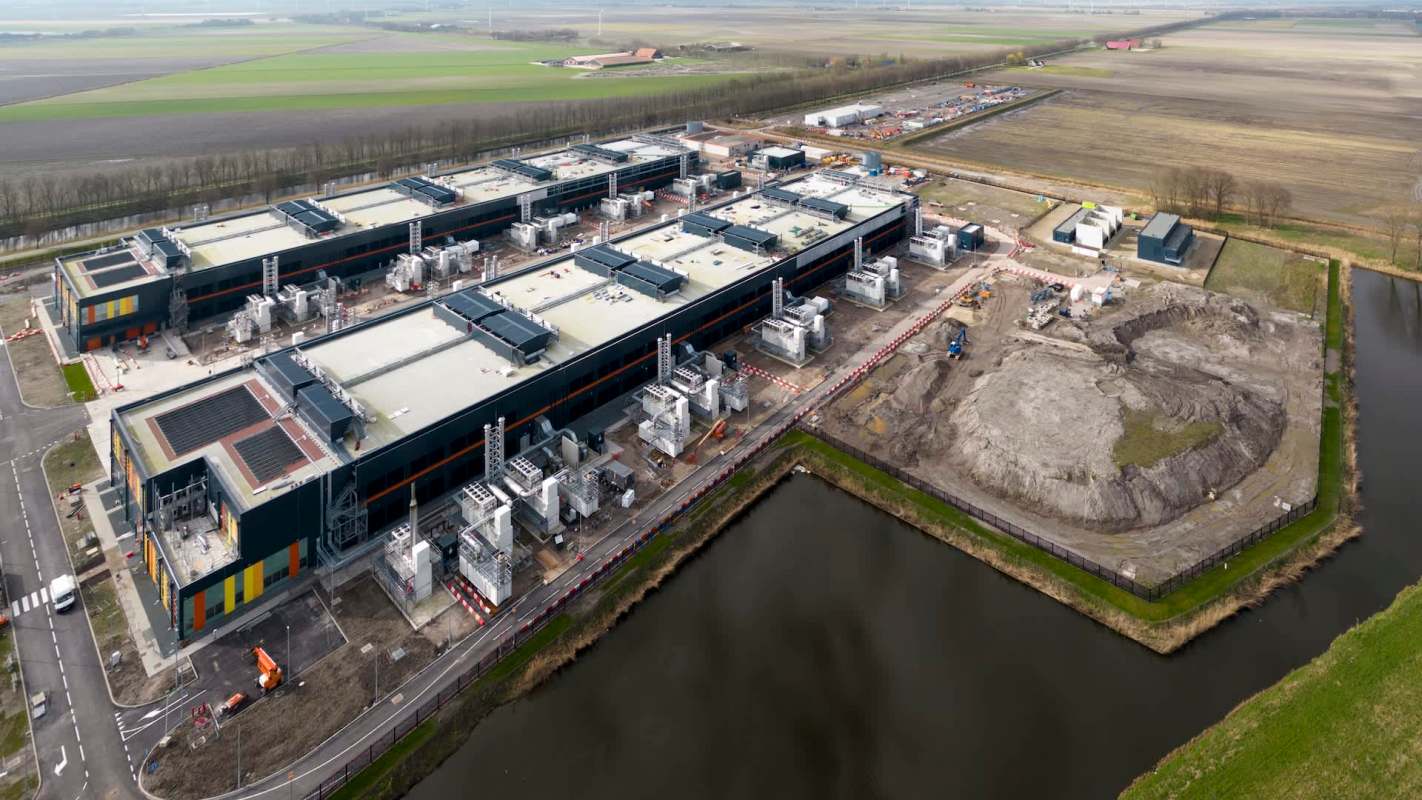
Leaders across Pittsburgh and Allegheny County seem to be approaching the AI data center boom with more caution than excitement, according to TribLIVE.
While the developers of these facilities claim that they can bring investment and help support the next generation of computing, local leaders are also weighing what that growth could mean for local resources and residents' utility bills.
What's happening?
As TribLIVE reported, the push for AI data centers is drawing a careful reaction from Pittsburgh area leaders.
For many communities in and around Pittsburgh, the issue is not about attracting a new industry, but rather whether that growth can happen without putting added pressure on local resources.
When asked what his thoughts were, Mayor Corey O'Connor told TribLIVE, "I would not support a data center happening in the city of Pittsburgh."
Other southwestern Pennsylvania communities, including Murrysville, Gilpin, Oakmont, East Deer, Tarentum, and Upper Burrell, have all attempted to prevent the data centers from taking over the region via new regulations and moratoriums.
TCD Picks » Quince Spotlight
💡These best-sellers from Quince deliver affordable, sustainable luxury for all




Part of the reason data center developers may struggle to place the facilities in and around Pittsburgh is that they're often placed in brownfields across the state.
Yet, as Brian Kennedy, senior VP with the Pittsburgh Technology Council, explained to TribLIVE, "Our brownfields in the city have been largely developed."
Why is this all concerning?
Behind AI systems are large clusters of servers that need steady electricity and significant cooling. As data centers expand nationwide, questions are growing about the source of that power, the amount of water required, and whether system upgrades could leave local ratepayers carrying the cost.
Places with suitable industrial sites, access to the grid, and dreams of economic development can see a clear upside. But elected leaders are also being asked to weigh those benefits against the burden such projects could place on existing infrastructure and nearby communities.
The computing needed to train and run AI can consume huge amounts of electricity, with server facilities operating nonstop. In some cases, those sites also depend on substantial water use to stay cool.
Rapid buildout of energy-intensive data centers can also stress power systems, slow pollution reductions if fossil fuel generation is expanded to meet demand, and put upward pressure on rates paid by households and small businesses.
Communities across America are also being asked to absorb industrial-scale facilities without a full public understanding of the tradeoffs. Pittsburgh area leaders want to pump the brakes.

Get TCD's free newsletters for easy tips, smart advice, and a chance to earn $5,000 toward home upgrades. To see more stories like this one, change your Google preferences here.






