


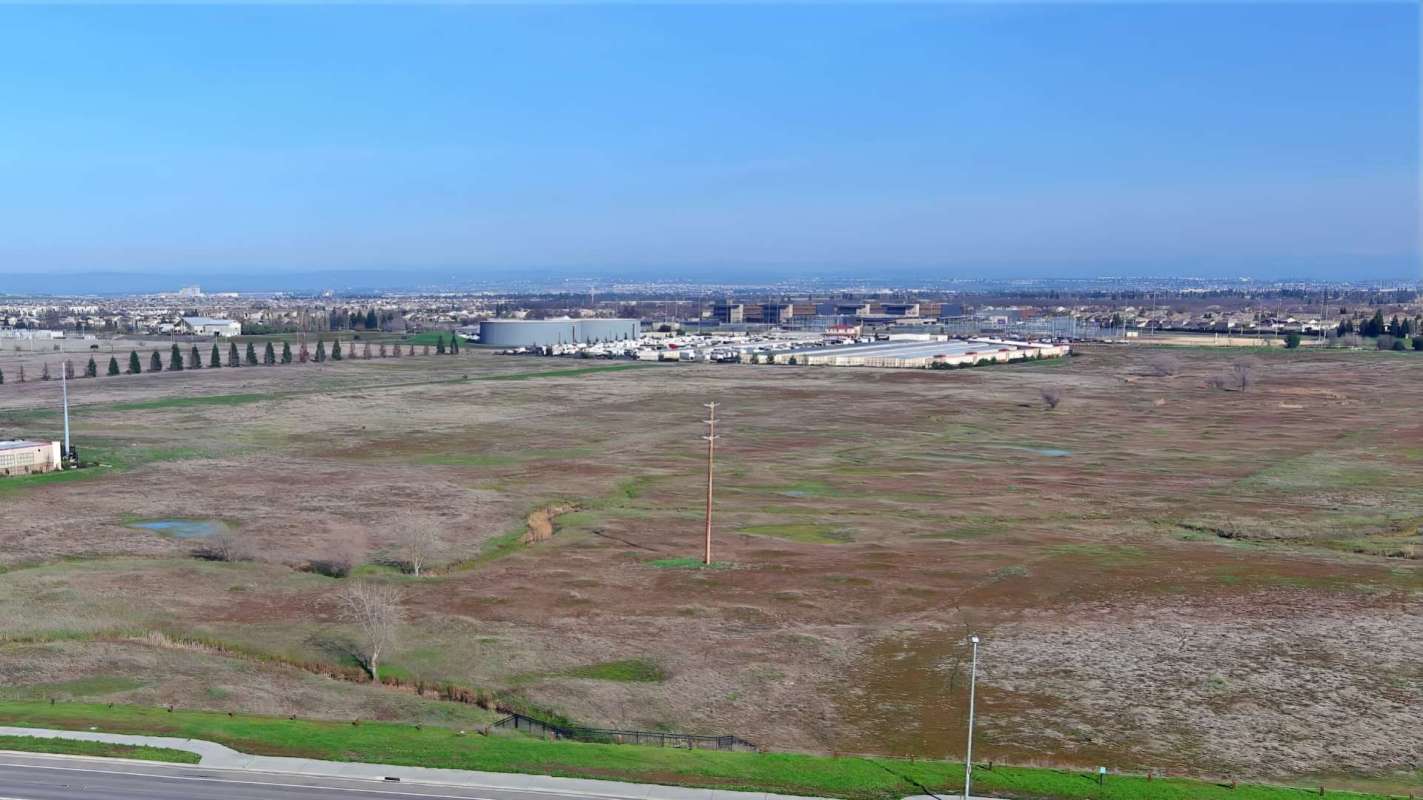
Scientists say the Sacramento Valley sank more rapidly than expected during California's 2020 to 2022 drought and that some of the harm underground cannot be undone.
As a result, one of the region's most important backup water supplies may have less room to hold water when dry conditions return.
What's happening?
According to a new study, pumping surged so much during California's 2020 to 2022 drought that parts of the Sacramento Valley dropped by nearly a foot per year. The research also concluded that the aquifer permanently lost some of its storage capacity, according to The Sacramento Bee.
Study co-author Kristel Chanard said the lost capacity is about equal to San Francisco's annual water use.
"There is still water, but it's a big loss," she said, per the Bee.
Chanard and her colleagues analyzed high-resolution satellite observations alongside groundwater records from 2016 through 2022. Early in that period, the ground compressed and then recovered, but by 2021 the aquifer appeared to have entered a stage where the compaction was no longer reversible.
TCD Picks » Quince Spotlight
💡These best-sellers from Quince deliver affordable, sustainable luxury for all




Researchers said heavy groundwater pumping was the main driver.
David Guy, president of the Northern California Water Association, said Sacramento River water suppliers received just 0% to 18% of their expected deliveries in 2022, even though contracts call for 75% in critically dry years, the Bee reported.
Why does it matter?
Groundwater is a crucial fallback in California when rivers, reservoirs, and snowpack do not provide enough water. The Northern California Water Association says groundwater supplies nearly 30% of the Sacramento Valley's water, per the Bee, and an even larger share during drought.
Excessive pumping can squeeze the soil and rock layers beneath the surface. The U.S. Geological Survey, cited by the Bee, says water helps support that underground structure, so removing large amounts can cause the land above it to sink. If that compaction becomes permanent, the aquifer loses some of the storage capacity it once had.
That loss of underground storage would leave the region with less flexibility when the next drought arrives.
Chanard said climate projections indicate the problem is unlikely to go away anytime soon.
"We know … that this is going to continue, so making sure that we understand how this impacts our groundwater storage capacity and our aquifer resources is very important," she said.
What's being done?
Water managers and researchers pointed to two main ways to reduce future damage: recharging groundwater when extra surface water is available and managing demand to lessen dependence on pumping.
Guy said the study should serve as a "warning sign" for regional officials.
"We know that we have some work to do," he said, per the Bee. "We want to make sure that we try to address the subsidence before it gets any worse."
Jordon Navarrot, deputy manager at Reclamation District No. 108 in Yolo and Colusa counties, said local agencies are already working with residents on strategies to better balance extraction and replenishment.
One important method is in-lieu groundwater recharge, which sends excess surface water to users so they do not need to pump as much groundwater.
Navarrot said many growers have brought their land into the district to gain access to surface water service instead of relying so heavily on wells.
He added that efforts are already underway across the region, according to the Bee.
"In all of the troubled areas in the Sacramento Valley, there's real work being done to combat subsidence … I think we're on the right track," he said.

Get TCD's free newsletters for easy tips, smart advice, and a chance to earn $5,000 toward home upgrades. To see more stories like this one, change your Google preferences here.






