


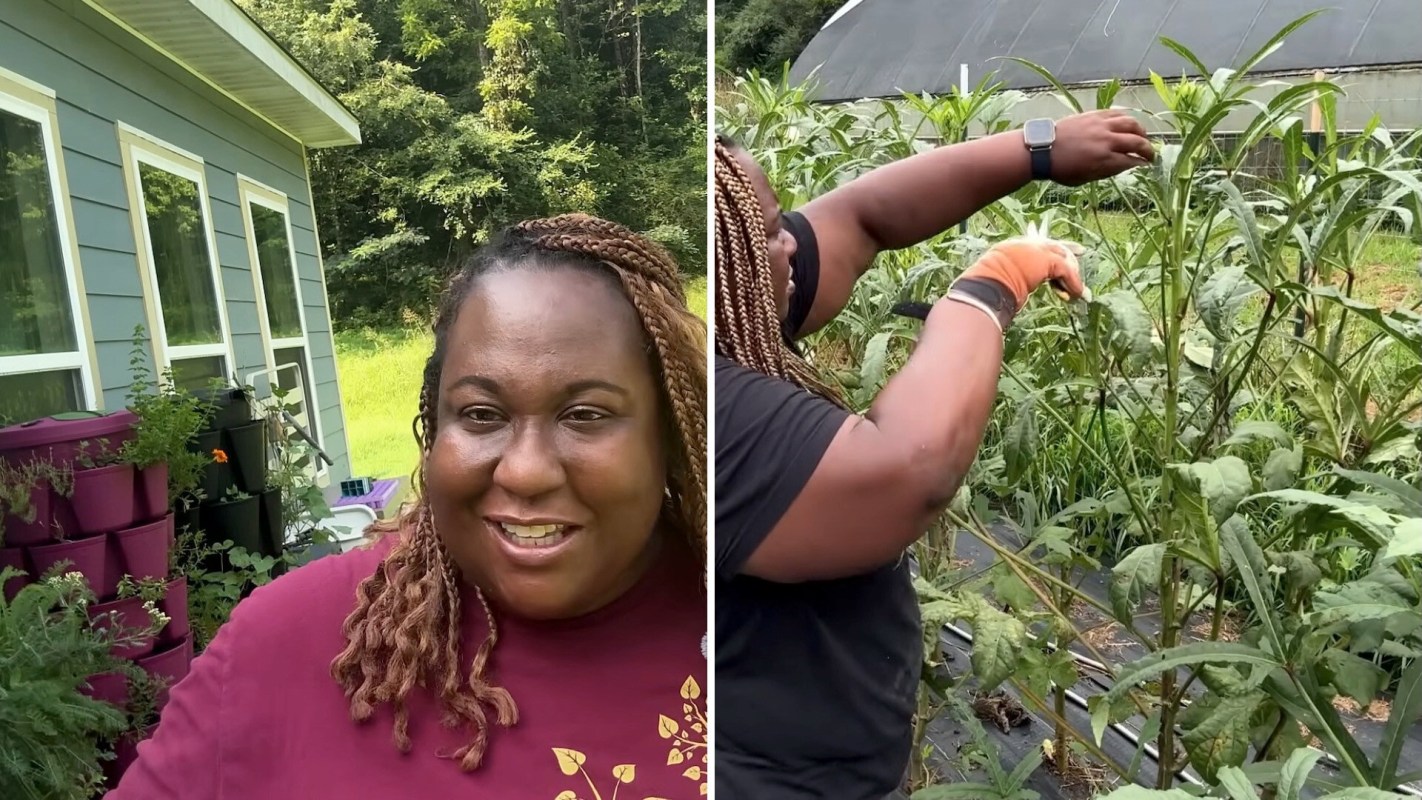
A Tennessee gardener's July update showed what a hard midseason can look like after nearly two months of near-constant rain: a mix of crops doing well, crops barely hanging on, and a few clear failures.
What's happening?
In a recent video, Barbara, the Tennessee-based creator behind Living Foods Farm, gave viewers a tour of her property on YouTube, using her beds, containers, and fruit trees to show how the weather has altered the garden.
Barbara filmed the tour on a day expected to reach a heat index of 112 degrees, but the bigger challenge had been the prolonged wet spell. She said her area had gone through "like 50 days and nights of rain," leaving conditions soggy and making it tough to fertilize and keep plants in good shape.
Some plants were hit harder than others, including fridge-favorites like strawberries.
"If I told you I got 10 strawberries from this whole green stock, I'd be lying," she said.
She also pointed to hornworm damage on tomatoes and eggplants and said many flowers had been removed after looking "really really bad."
TCD Picks » Quince Spotlight
💡These best-sellers from Quince deliver affordable, sustainable luxury for all




Other parts of the garden were faring much better, including the herbs, sweet potato beds, Roma tomatoes, jalapeños, and a lemon tree carrying lots of fruit.
"This is the best looking lemon tree I have ever, ever had," she said.
Viewers in the comments said the problems sounded familiar. One commenter wrote: "I lost everything in my 4 garden plots due to heat and too much water."
Why does it matter?
Home gardening does not always produce picture-perfect results, especially as gardeners face longer stretches of heavy rain, intense heat, and pest pressure.
Still, growing food at home can help cut produce costs, especially for herbs, greens, peppers, and tomatoes that tend to be expensive at the store.
Many gardeners also say homegrown food tastes better because it can be harvested at peak ripeness instead of being shipped long distances. And, gardening gets people moving, encourages time outdoors, and can support mental well-being by reducing stress while giving people a productive routine.
Barbara's season showed a split result: the strawberries underperformed, while the herbs, sweet potatoes, and citrus appeared much stronger. Spreading efforts across raised beds, containers, and a few reliable crops can make a garden more resilient when the weather turns unpredictable.
Barbara also said some of the spaces that opened up will later be used for fall planting, including lettuce and spinach. That kind of succession planting can help gardeners make the most of a season even after summer plants fade.

Get TCD's free newsletters for easy tips, smart advice, and a chance to earn $5,000 toward home upgrades. To see more stories like this one, change your Google preferences here.






