


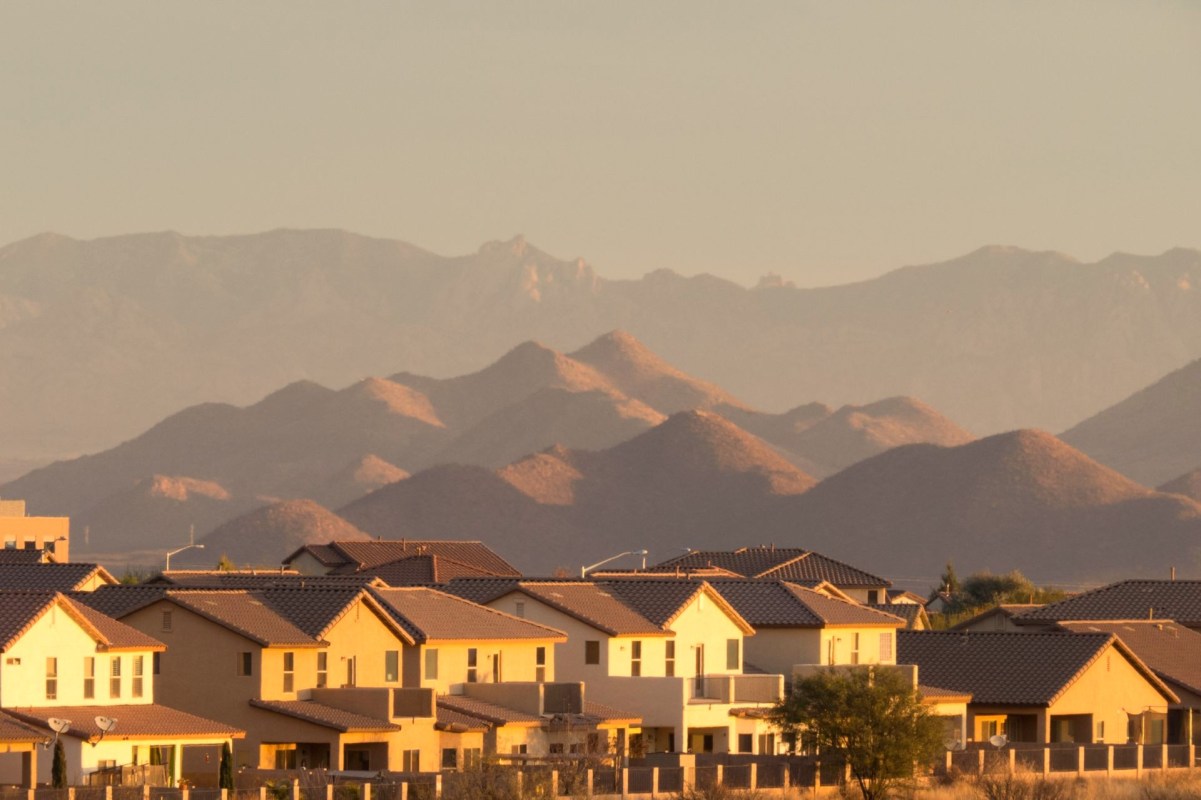
Another season of punishing heat is arriving in Arizona just as residents may be asked to pay more for electricity.
With temperatures in the state reaching 117 degrees Fahrenheit, clean-energy advocates say moves by utility regulators in March and July could make staying cool both harder and more expensive for families, according to the Copper Courier.
What's happening?
Arizona regulators are simultaneously dismantling major, affordable clean-energy policies and considering a significant increase in electricity costs for many households.
The Arizona Corporation Commission repealed the state's Renewable Energy Standard and Tariff rule in March and the Electric Energy Efficiency Standards in July.
At the same time, the commission is weighing a 14% rate increase for Arizona Public Service customers, which APS claims is needed to address higher energy costs and grid maintenance.
APS says the proposal would raise monthly bills by at least $20, and the Copper Courier noted that any new rates approved could begin in 2027.
TCD Picks » Quince Spotlight
💡These best-sellers from Quince deliver affordable, sustainable luxury for all




Vianey Olivarría, who heads Chispa AZ, a League of Conservation Voters program, told the Copper Courier that these decisions show a broader failure to protect households already squeezed by extreme heat and rising costs.
"Every summer for the last 10 years or so, we have been breaking records in Arizona," Olivarría lamented. "So they also break records in profit, right?"
Why does it matter?
In one of the nation's hottest states, basic cooling could become even more difficult to afford during dangerous heat.
Olivarría said officials are using growing electricity demand — including demand from data centers — to support higher rates rather than requiring utilities to build out cheaper, cleaner energy.
"Well, all this demand could be addressed if we invested, also, in clean energy," she observed.
If those standards are eliminated, utilities have less incentive to invest in measures that cut pollution, strengthen resilience, and reduce costs for local communities.
Rooftop solar customers could be affected as well.
APS has proposed doubling its grid access fee for those users from $3 to $6 a month, even though the Arizona Court of Appeals ruled the original charge unfair in June.
What's being done?
Advocacy organizations are now trying to turn the dispute over utility regulation into an election issue.
Arizona Corporation Commission members are elected, and voters will choose two seats on the commission in November.
Groups such as Chispa AZ and Vote Solar are telling residents to pay attention to the officials who oversee electric, water, and gas service and how their choices affect monthly household costs.
All current commissioners are Republicans, but that makeup could change after voters choose two seats on the commission in November.
Kate Bowman, a senior regulatory director at Vote Solar, maintained that rooftop solar should be treated as part of the answer, not as something that should come with extra charges.
"We do see it as a penalty that causes people who install solar to pay more on their utility bill than someone who uses the exact same amount of energy but doesn't have rooftop solar," Bowman said.
Advocates contend that real relief will depend on regulators prioritizing residents over utility profits.
"There's a reason why elections happen, and that is to hold people accountable when they're not doing their job," Olivarría said.
"We deserve to have a city where we're not choosing between paying rent and paying utilities."

Get TCD's free newsletters for easy tips, smart advice, and a chance to earn $5,000 toward home upgrades. To see more stories like this one, change your Google preferences here.






