


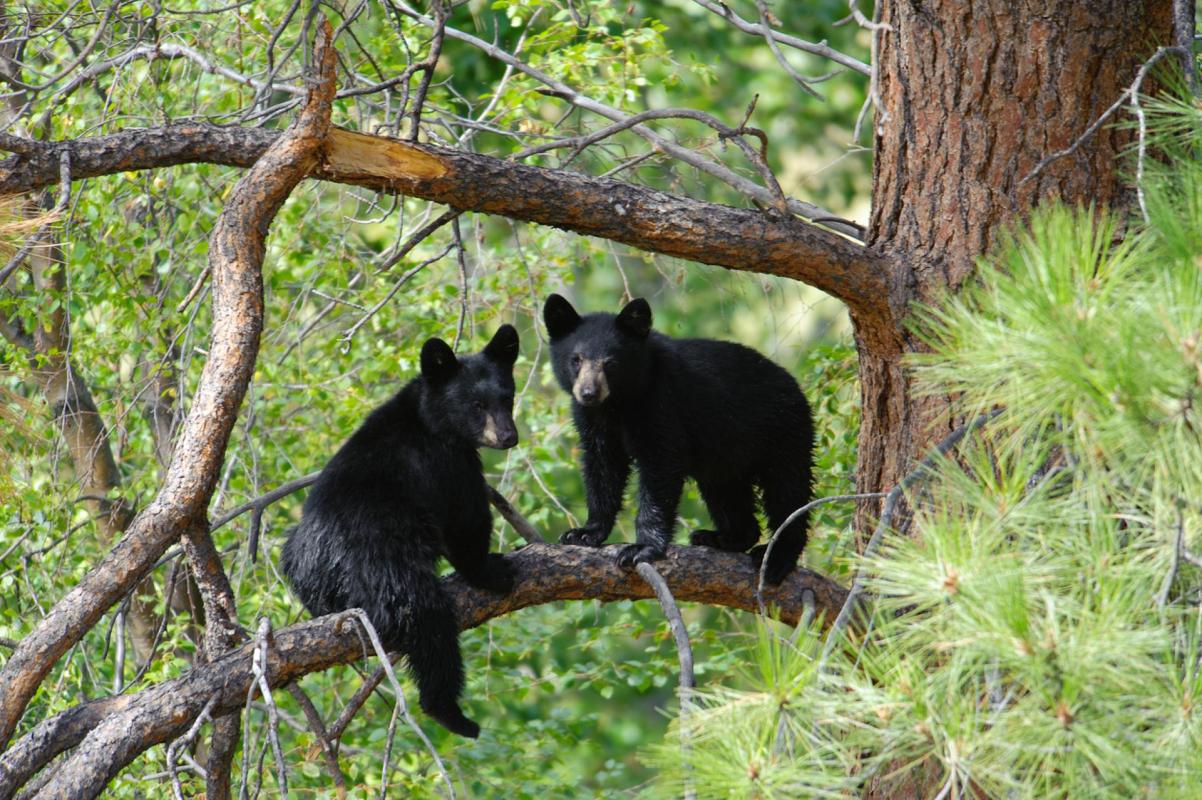
An unusual rehabilitation experiment with five orphaned black bear cubs has become "a massive win" for California wildlife officials, with the bears surviving hibernation in the wild and returning this season healthy and active.
The outcome could help reshape how rescued bears are rehabilitated in a state where protecting wildlife often goes hand in hand with reducing conflict in nearby communities.
What happened?
According to a June 8 news release from the California Department of Fish and Wildlife, the trial involved cubs that were released in November 2025 at locations across Northern California.
California usually returns rehabilitated bears to the wild in spring. But for this project, officials tested whether an autumn release could also work in the state, as it has in Nevada and Washington.
"These bears spent their first winter hibernating naturally in the wild as opposed to staying overwinter in a facility, which can be costly and difficult to do," officials explained. "It means less time in rehabilitation and less opportunity to get comfortable around humans."
The cubs had come from several rescues around the state. In May 2025, two female sibling cubs were found without their mother near Nevada City in Nevada County. Then in July 2025, a male cub was found alone in South Lake Tahoe in El Dorado County, and three male siblings were found in Arnold in Calaveras County, according to the Desert Sun.
TCD Picks » Quince Spotlight
💡These best-sellers from Quince deliver affordable, sustainable luxury for all




After rehabilitation at Sonoma County Wildlife Rescue, and, for one group, at the San Diego Humane Society's Ramona Wildlife Center, the bears were taken back to suitable habitat in the counties where they had been found and released. Unfortunately, one of the bears was too sick to be released and was euthanized.
Before going back into the wild, the bears were tagged, microchipped, and fitted with GPS collars. It was based on this tracking data that wildlife officials said the bears "successfully established dens, hibernated during the winter, and reemerged this spring back on the landscape."
Why does it matter?
Releasing orphaned cubs in the fall could reduce how long they remain in captivity. State officials also said the strategy can help reduce human-wildlife conflict, which can arise in neighborhoods, campgrounds, along roads, and on rural properties when bears grow too accustomed to people.
The approach could also lessen strain on wildlife rehabilitation centers, where caring for young bears through the winter can be both costly and difficult.
If rehab facilities can use their resources more efficiently, they may also be better positioned to care for other injured or orphaned animals.

Get TCD's free newsletters for easy tips, smart advice, and a chance to earn $5,000 toward home upgrades. To see more stories like this one, change your Google preferences here.







