


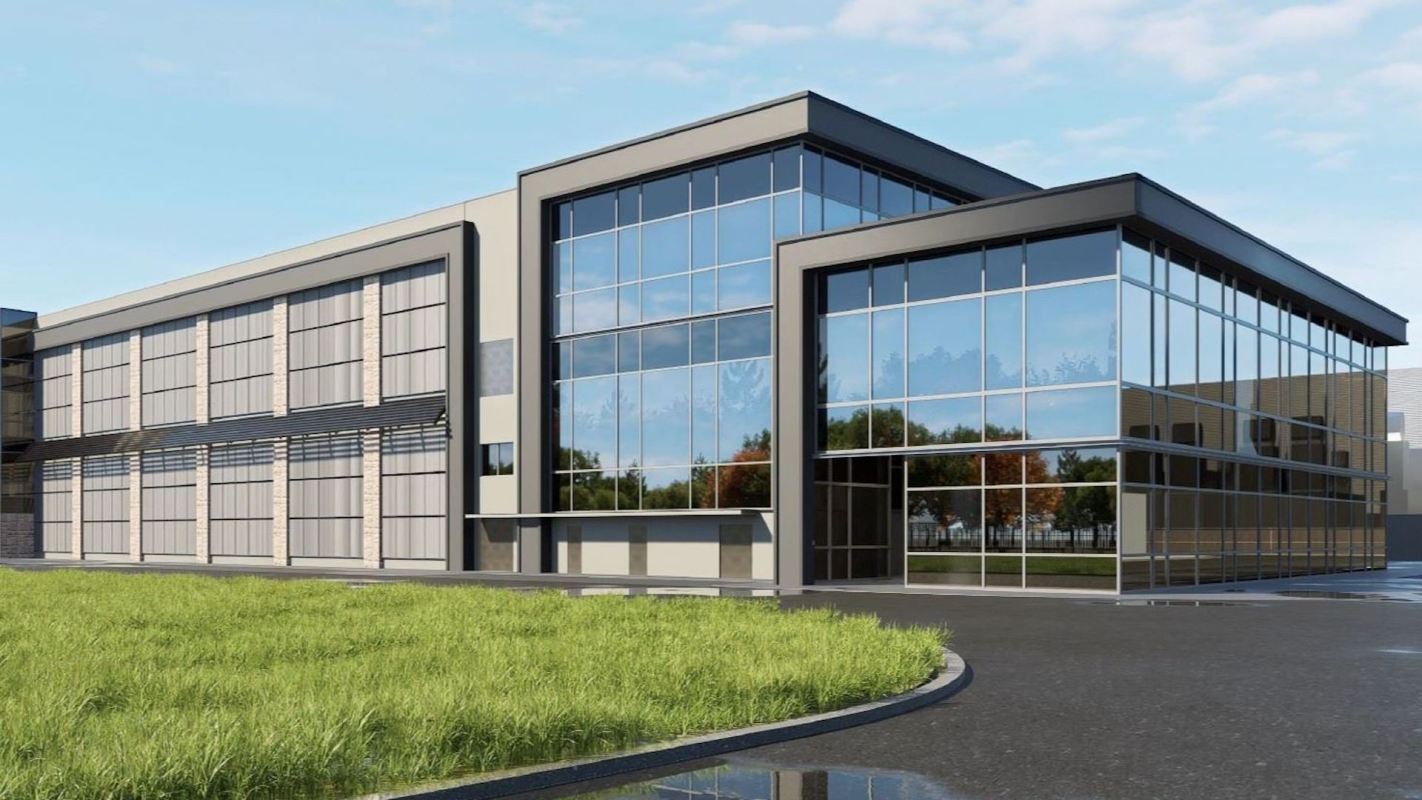
Some residents in Keller, Texas, are raising objections to a planned 1.1 million-square-foot data center campus in neighboring Westlake, saying its location would place it too close to homes and an elementary school.
Although the development is expected to bring jobs and tax revenue, some residents say those potential economic benefits do not outweigh unresolved questions about noise, infrastructure strain and quality of life for people living just across the city line.
What's happening?
Westlake has unveiled plans for the project on an 89.6-acre tract along U.S. 377.
According to the Fort Worth Star-Telegram, officials expect it to create 75 jobs, generate $5 million during its first decade and then bring in $7 million a year after that.
The developer is Virginia-based Powerhouse, which has several data center projects in Texas. A spokesperson told the newspaper the company declined to comment.
Westlake officials said that the site would be about 0.67 miles from homes in Westlake, but some Keller residents say their neighborhoods would feel the project's effects more directly.
TCD Picks » Quince Spotlight
💡These best-sellers from Quince deliver affordable, sustainable luxury for all




Barbara Brewer, a Keller school board candidate, said that the proposed campus would sit roughly 200 feet from about 15 homes in the Marshall Ridge subdivision, and that Ridgeview Elementary School is less than two miles away.
"My concern is for these kids. How is it going to affect them?" Brewer said.
On Facebook, a resident responding to a post from Keller Mayor Ross McMullin wrote, "This project backs up to Keller neighborhoods, and Keller residents are going to be the ones living with many of the impacts."
Why does it matter?
Large data centers are increasingly tied to artificial intelligence, cloud computing and the digital services many people use every day.
AI can provide significant benefits, including helping utilities predict demand, manage batteries, and add more solar and wind power to the grid. But the infrastructure behind those systems can also require enormous amounts of electricity and, in some cases, large quantities of water for cooling.
Residents often point to concerns such as constant noise, heavy power demand, land-use changes and pressure on local resources.
In fast-growing communities, those concerns can also include whether major energy users might eventually drive up utility costs or make local planning harder.
Westlake officials said the project would have to comply with city noise ordinances and that the developer had purchased an Oncor substation to power the site. The town also said water use would be limited to the hottest parts of the year.
Opponents say the central issue is how close the facility would be.
As Brewer put it, "The big deal is that this is close to homes and to an elementary school."
What's being done?
Brewer said she plans to speak at a Westlake Planning and Zoning Commission public hearing on the site plan and is organizing a petition drive against the project.
She also wants the town to conduct a baseline study of current noise levels and install sound monitors once the data center is operating.
Keller officials have also indicated frustration with how the announcement unfolded.
McMullin said Westlake's plans caught him by surprise and that he would wait to comment further until after meeting with Westlake officials.
Charles Randklev, former Keller ISD president and current Keller City Council member, wrote on Facebook, "To say I'm disappointed Westlake didn't give Keller a heads up on the news is an understatement. It's downright crappy. Good neighbors communicate, and I'll continue advocating for Keller residents throughout this process."

Get TCD's free newsletters for easy tips, smart advice, and a chance to earn $5,000 toward home upgrades. To see more stories like this one, change your Google preferences here.






