


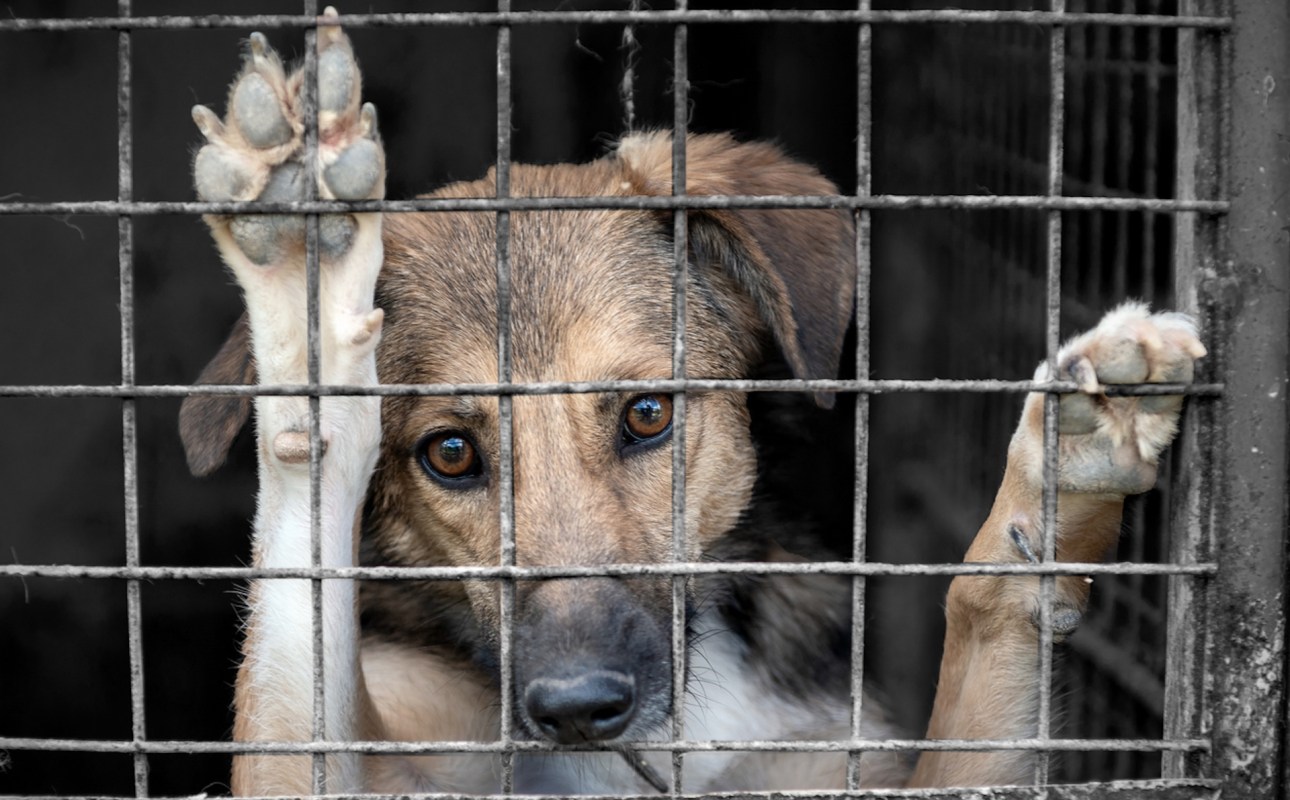
ACCT Philly, Philadelphia's largest open-intake animal shelter, says an already strained system has spiraled into "crisis" after more than 600 animals arrived in just over a week, forcing staff to scramble for space and plead with the public for help.
Some animals have been euthanized as a result of the overcrowding.
What happened?
According to WPVI, more than 600 animals arrived at the shelter over a period of a little more than a week, among them more than 400 cats and kittens and over 160 dogs. ACCT Philly said that volume has driven its space problem to a breaking point.
Executive Director Sarah Barnett described the situation in stark terms to WPVI, saying, "Last week, we just went over a bridge or a ledge … The reality is, every day, depending on what our intake is, we are having to look at the animals in our shelter and make some really tough decisions."
Now, ACCT Philly is even offering incentives to people who foster or rescue animals. The outlet reported that individuals who foster dogs can receive $200, people who foster cats can receive $150, and those who can rescue large dogs can get up to $750.
The influx of arrivals has not been limited to cats and dogs, though. WPVI reported that staff have also taken in guinea pigs, wildlife such as opossums and an alligator, and even a stray horse that was thankfully reunited with its owner.
TCD Picks » Quince Spotlight
💡These best-sellers from Quince deliver affordable, sustainable luxury for all




Officials said the shelter is on track to take in 700 dogs in July, a level ACCT Philly has not seen in a decade.
Why does it matter?
This level of crowding can sharply reduce how much time animals have to be adopted, transferred, or placed in foster homes before life-or-death choices are made. It also puts heavy strain on shelter workers, volunteers, and rescue groups trying to keep up with feeding, cleaning, medical treatment, and placement efforts.
The surge may also reflect a broader affordability crisis for pet owners. Shelter officials believe financial hardship is helping drive the increase, as more families struggle to afford food, veterinary care, and other basics.

Get TCD's free newsletters for easy tips, smart advice, and a chance to earn $5,000 toward home upgrades. To see more stories like this one, change your Google preferences here.






